Our Students


Effective cross-disciplinary training starts with an interdisciplinary classroom.
Preparing students and professionals to take on the most complex emergent security challenges facing modern societies requires equipping them to build exceptional teams comprising different minds, perspectives, and methods of problem solving. To achieve this, CAI draws students and faculty collaborators from across the USU community, Utah state government and industry, and federal and international partners – putting undergraduates, graduate students, and professionals in the same learning and sharing space with a wide range of professionals. More than 45 majors and disciplines including students from all eight USU colleges and professionals from various companies and agencies have been represented in CAI's student cohorts, bringing perspectives from fields ranging from aerospace engineering and biochemistry to religious studies and political science.

Listing of all eight USU colleges


Featured Students

Jennifer Ha profile
Jennifer Ha
Level: Undergraduate 
Field: Psychology, Biology, Chemistry
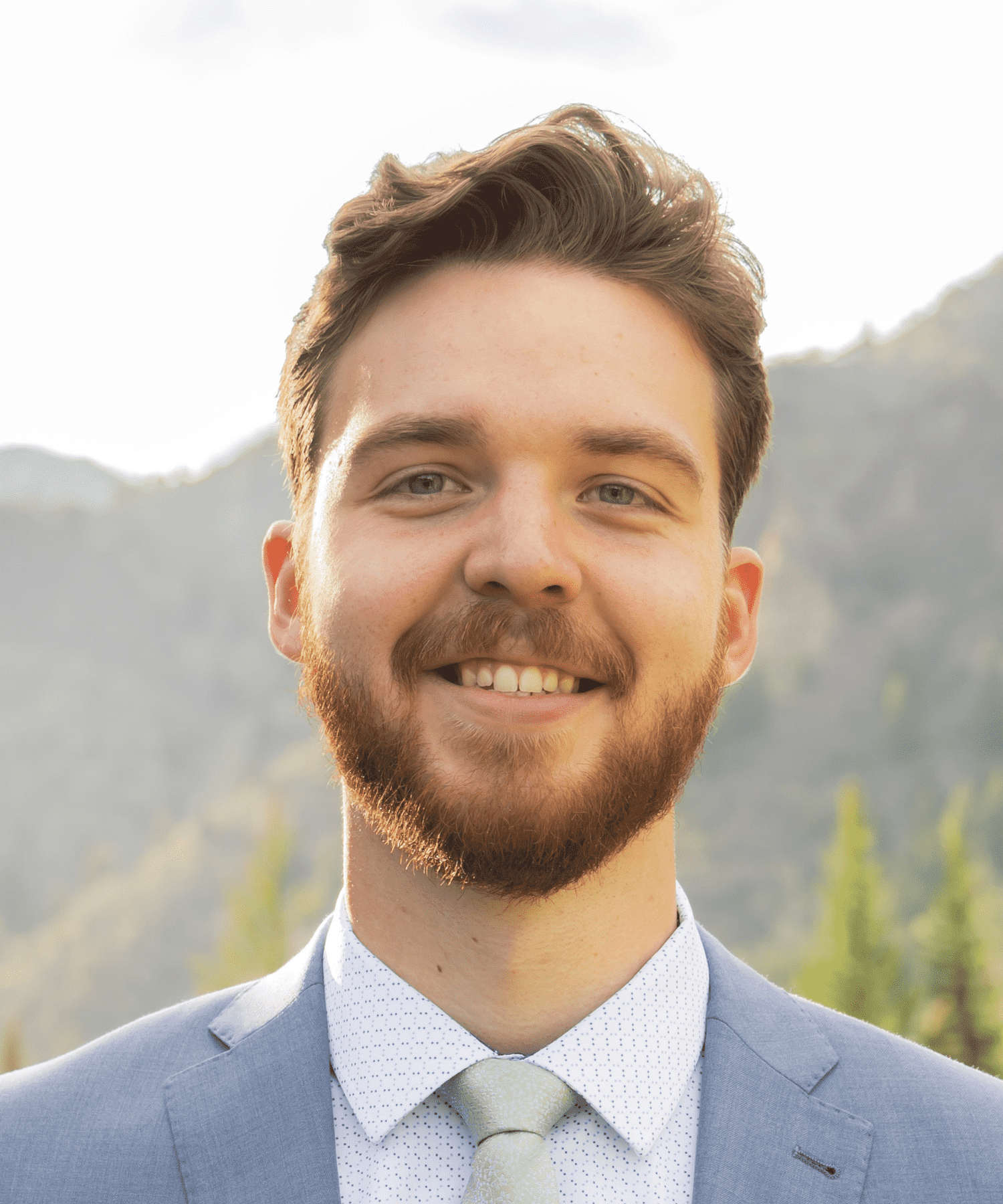
 
CAI Research Area: Explored ramifications of plausible near-future developments in the domain of gene-editing tools like CRISPR-Cas9, evaluating transhumanism as a movement and assessing the looming military ethical crossroads that are accompanying critical advances in synthetic biology.  

Joseph Johnson profile
Joseph Johnson
Level: Undergraduate 
Field: Information Systems, Cybersecurity, Data Analytics
 
CAI Research Area: Examined the significant gaps in US legislation and regulatory guidance regarding the implementation of cybersecure artificial intelligence in transportation systems, amplifying the systemic risk of vulnerabilities in digital infrastructure as the self-driving vehicle market expands.

Ta'Mariah Jenkins profile
Ta'Mariah Jenkins
Level: Undergraduate
Field: Business Management, Leadership
 
CAI Research Area: Assessed second- and third-order effects of deficient STEM education in US primary and secondary schools, with considerations in play for the future of US economic security, domestic workforce robustness, and comparative global technological competitiveness.

Kaden Campbell profile
Kaden Campbell
Level: Graduate
Field: Management Information Systems, Data Analytics
 
CAI Research Area: Beta-tested CAI’s System-Centric Threat and Resilience Assessment Tool (STRAT) with real-world project application of the methodology, assessing vulnerabilities, threat exposure, and resilience modeling in a proprietary system and refining the tool for future pedagogy. 

Jennifer Ellsworth profile
Jennifer Ellsworth
Level: Professional
Field: Executive Director: Engage Now Africa (ENA)
 
CAI Research Area: Utilized the STRAT methodology to map weak nodes in Engage Now Africa’s financial processes that present a plausible threat to the NGO’s humanitarian operations in Sierra Leone, designing intervention measures to shore up resilience against major disruption. 

Phil Fernberg Profile
Phil Fernberg
Level: Graduate
Field: Landscape Architecture & Environmental Planning (PhD)
 
CAI Research Area: Engaged the hypothetical scenario of Russian nuclear weapons use in Ukraine to identify second- and third-order effects that could ramify through Ukraine’s agroecosystem and global food security, underscoring current deficiency in serious “post-det” response planning. 

Sabrina Allen profile
Sabrina Allen
Level: Undergraduate
Field: Wildlife Ecology & Management, Visual Art
 
CAI Research Area: Honed in on mining-induced mercury bioaccumulation threatening community-essential fishponds in eastern Uganda, evaluating a range of mitigation measures to halt and reverse damage, including implementing locally sustainable phytoremediation interventions.

Kyle Ransom profile
Kyle Ransom
Level: Undergraduate
Field: Philosophy, Film Studies & Photography
 
CAI Research Area: Evaluated the risk that a Kessler Syndrome cascade presents to US satellites critical to military, intelligence, economic, and climate monitoring capabilities, with an eye toward designing mitigation measures via international cooperation and space debris management.