
Animal, Dairy, and Veterinary Sciences - MS, PhD

About This Degree
The Animal, Dairy and Veterinary Sciences department hosts a broad range of graduate research areas, ranging from traditional livestock production to basic molecular research designed to answer questions related to both animal and human health. Some of the basic research conducted includes cloning, molecular biology, genomics, metabolomics, proteomics, and bioinformatics.
The department has access to both on-campus and off-campus lab facilities and equipment allowing research in all of these areas. In addition, there are several livestock research farms located within 30 minutes of the main campus.
Most research labs consist of 3-5 members, which allows for one-on-one mentoring. Approximately five new students are admitted each year, making this a competitive program with a strong sense of community amongst its graduate students and faculty.
To be accepted to a graduate program, applicants must first identify a faculty member advisor. Visit our department page about research areas and the respective faculty members to learn more.
Specializations:
Animal Health and Disease:
In this specialization, students focus on molecular biology, intentional genetic alteration for animal health, pathology, virology, and disease detection using conventional and advanced molecular technologies, epidemiology, parasitology, pharmacology, toxicology, and microbiology.
Animal Biotechnology and Molecular Genetics:
This specialization involves technologies in genome analyses, whole genome scanning, marker assisted selection, and the identification of economically important trait loci in livestock animals.
Animal Nutrition:
Students in this specialization have the opportunity to study a number of different topics related to animal nutrition, such as development of new feed additives that improve animal performance, innovations in grazing practices that optimize ruminant production, the development of feasible approaches for sustainable agriculture, and more.
Animal Management:
For students seeking careers in production animal agriculture, this specialization prepares students for the challenges facing the animal industry and commodity groups in the 21st century.
Animal Management is only offered with the MS degree.
Reproduction and Development:
Students in this specialization explore aspects of gamete formation, early embryo development, gene regulation, embryonic stem cell characteristics and applications, reproductive immunology, and more.
ADVISING
At a Glance
College: S.J. & Jessie E. Quinney College of Agriculture & Natural Resources
Department: Animal, Dairy and Veterinary Sciences Department
USU Location(s):
- Logan campus
Program Requirements
Career And Outcomes
Career Opportunities
Nearly all graduates of the PhD program pursue careers as university faculty and researchers. Additionally, many MS graduates go on to doctoral programs. Graduates can also work in the following areas:
- Pharmaceutical research
- Reproduction clinics, both animal and human
- Public health
- Veterinary medicine
- Agribusiness
- Animal management
- Animal feed industry
- Nutritional companies
- Diagnostic medicine
- Medical technicians, both animal and human
Job Outlook
USU Locations
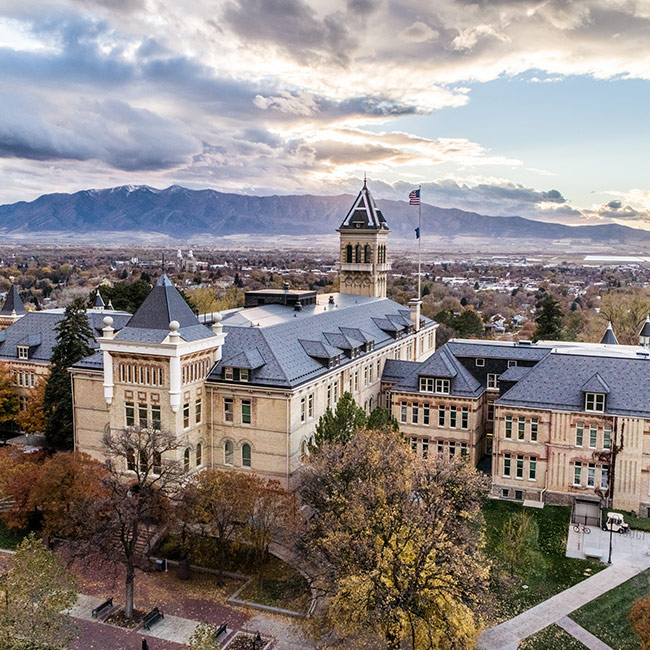
LOGAN CAMPUS
Take The Next Step
How to Apply
View our step-by-step guide on how to become an Aggie.
Request Information
Contact the School of Graduate Studies to ask questions or receive more information.
Cost and Funding
Calculate the cost of graduate school and learn about funding opportunities.
You May Also Be Interested In

Agricultural Extension and Education
Manage, plan, implement, and evaluate programs to promote technology transfer relevant to agricultural education.

Veterinary Public Health
This program builds on the program of the USU School of Veterinary Medicine by offering specialized training in the emerging Public Health discipline of One Health.