
SPECIAL EVENTS - FALL 2026
- September 28-29: AIBS Team Science Training
- September 30: Climate Adaptation Science/Climate Adaptation Intern Program "Science Management Policy Exchange (SMPE)"
2026-2027 Seminar Series:
All events (Wed. & Thurs.) will be held in BNR 102 from 4:00 pm to 5:00 pm
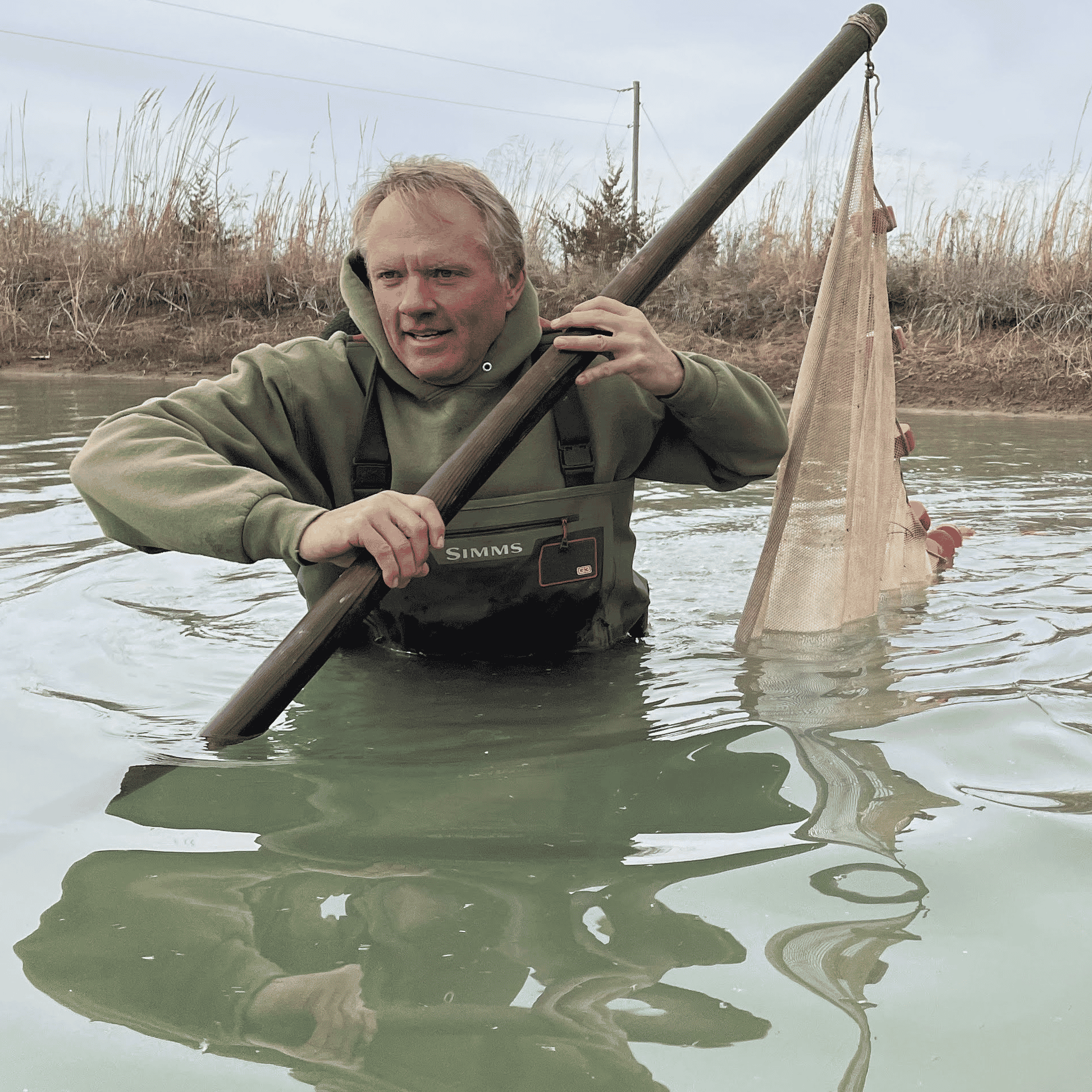
Dr. Keith Gido
September 23-24, 2026
Lab
Division of Biology
Kansas State University
Keith Gido is University Distinguished Professor in the Division of Biology at Kansas State University. His research career is centered on the conservation and ecology of freshwater fish communities. His work spans the interplay between fishes and ecosystem function, top-down versus bottom-up dynamics in aquatic systems, the impacts of introduced species, and long-term patterns in fish assemblage structure and population dynamics across prairie streams and Southwestern rivers. He has mentored numerous graduate students and undergraduates, and works collaboratively with many federal, state, tribal and private researchers.
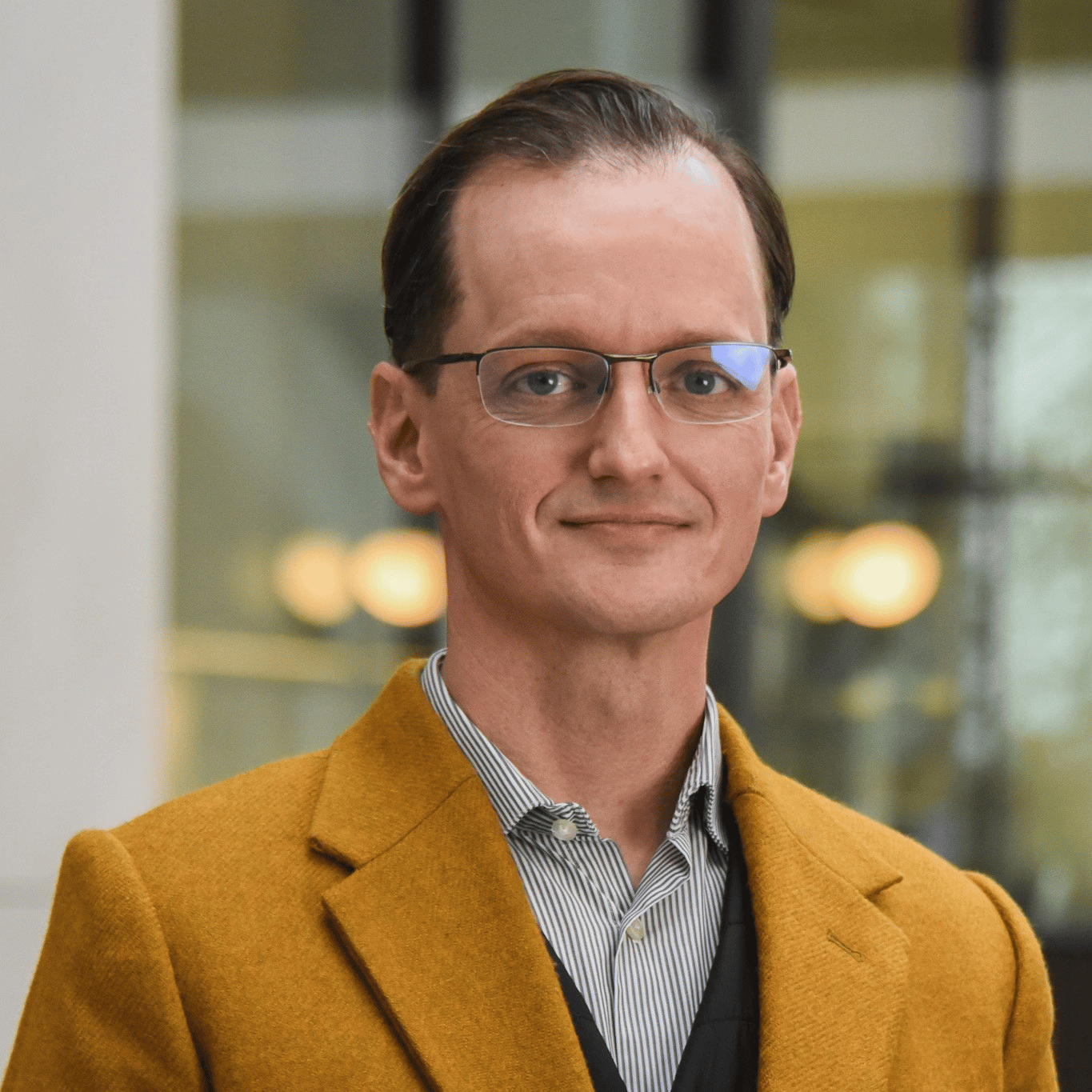
Dr. Rob Salguero-Gómez
October 14-15, 2026
SalGo Team & COMPADRE Plant Metric Database
Department of Biology
University of Oxford
Rob Salguero-Gómez is Professor of Ecology at the University of Oxford, where he studies how populations of organisms across the Tree of Life respond to environmental change. His research integrates demographic modelling, life-history theory, resilience science, and emerging technologies such as AI, robotics, and remote sensing to understand ecological dynamics under disturbance and climate change. He leads several international open-science initiatives, including the COMPADRE and COMADRE demographic databases, and works broadly on ecological resilience, ageing, biodiversity forecasting, and conservation in a rapidly changing world.
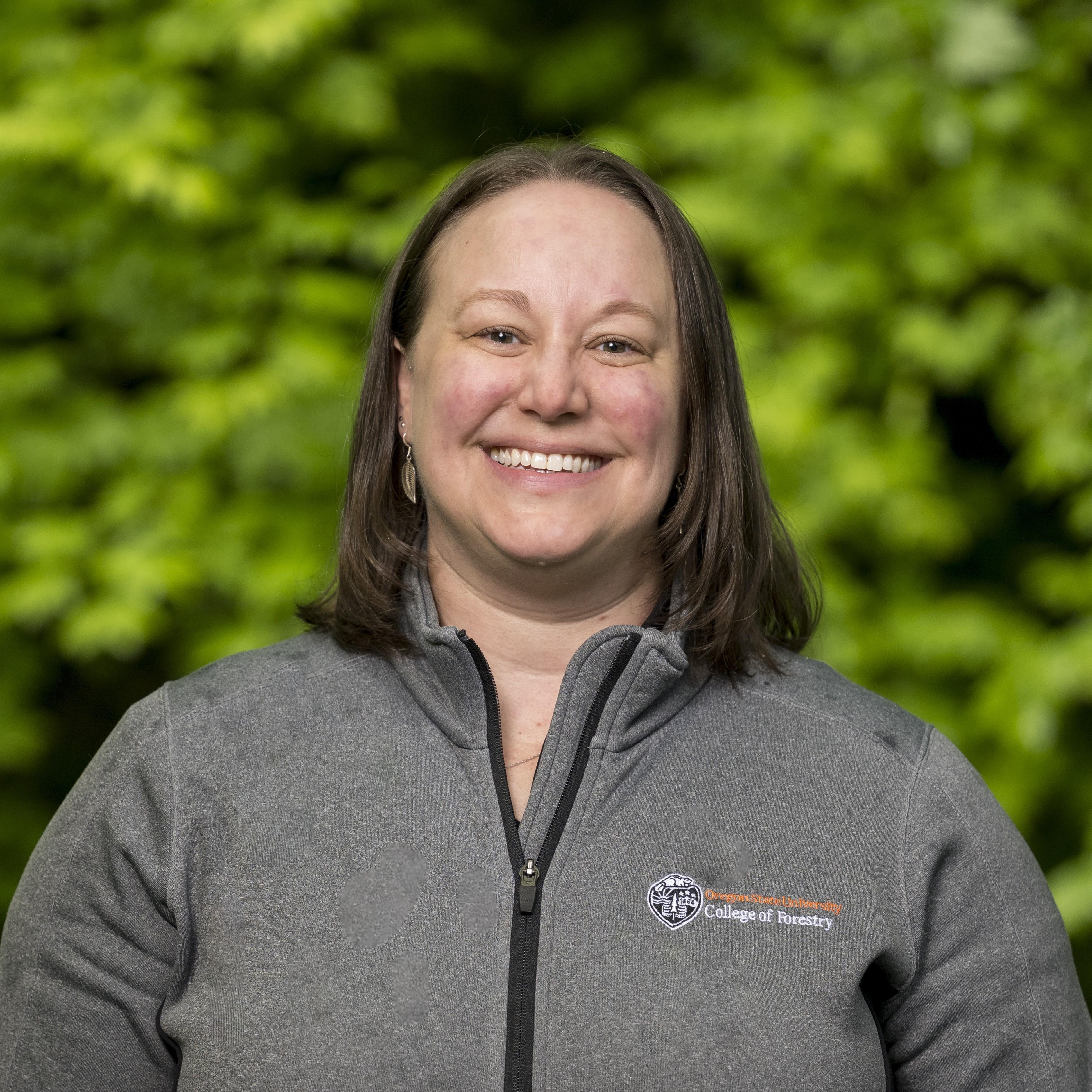
Dr. Ashley D'Antonio
November 18-19, 2026
Lab
Department of Forest Ecosystem & Society
Oregon State University
I am an Associate Professor, Gene D. Knudson Forestry Chair, and Associate Department Head in the Department of Forest Ecosystems and Society at Oregon State University. My field of research is recreation ecology, which focuses on understanding disturbance related to outdoor recreation in parks and protected areas. I primarily use interdisciplinary and spatial approaches to understand visitor behaviors, use patterns, and related disturbances across spatial and temporal scales. Recent projects have focused on understanding and managing visitor use in Yellowstone, Yosemite, and Rocky Mountain National Parks, as well as state-managed lands in Oregon and California.
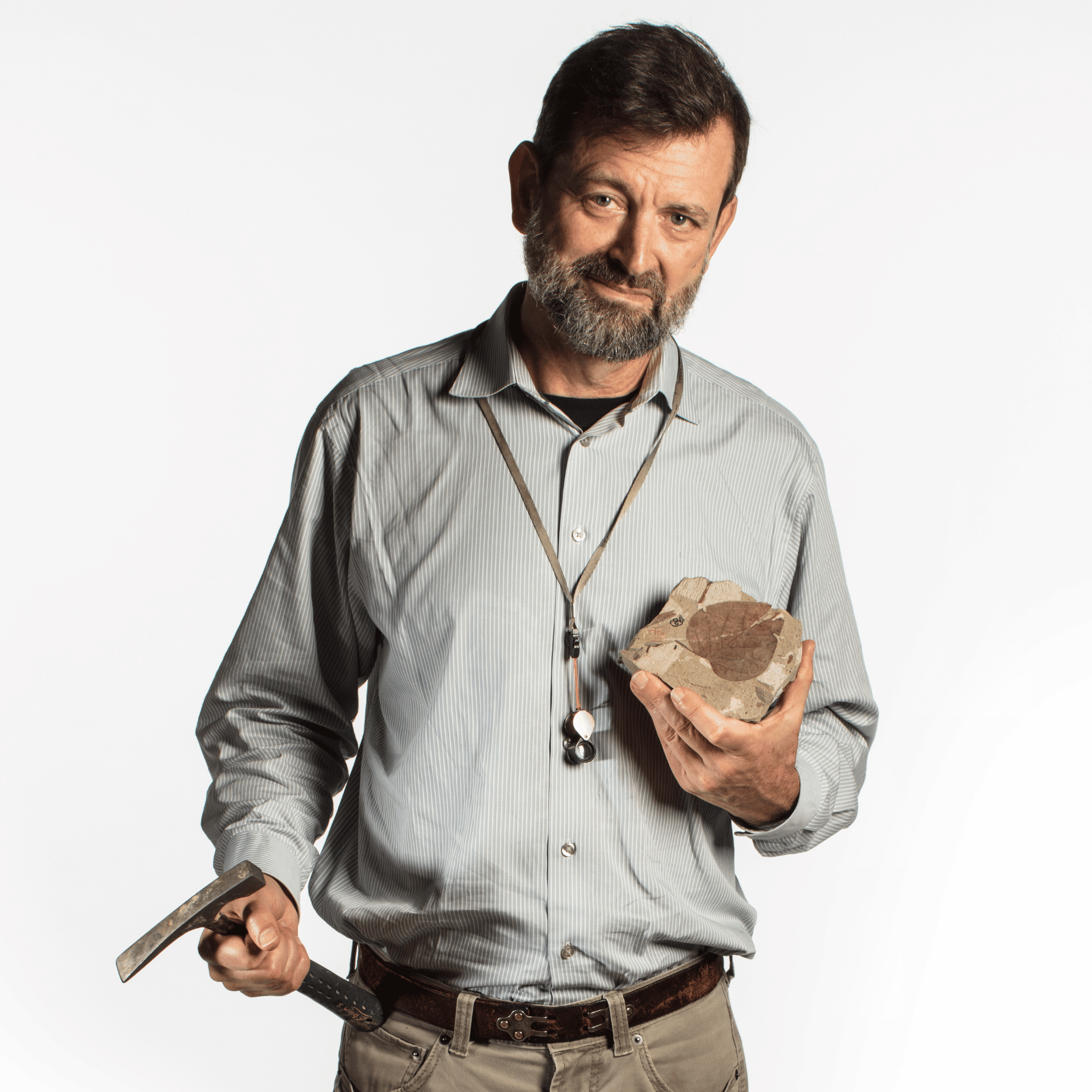
Dr. Scott Wing
December 2-3, 2026
Webpage
Smithsonian National Museum of Natural History
I study fossil plants and climate change during the last part of the Age of Dinosaurs and the first part of the Age of Mammals. I’m particularly interested in the evolutionary radiation and ecological expansion of flowering plants, and in the globally warm climate of this time. One of my main interests is an event called the Paleocene-Eocene Thermal Maximum (PETM), which provides the closest analog in earth history to the Anthropocene, the current epoch of human-induced global warming and global ecological change.
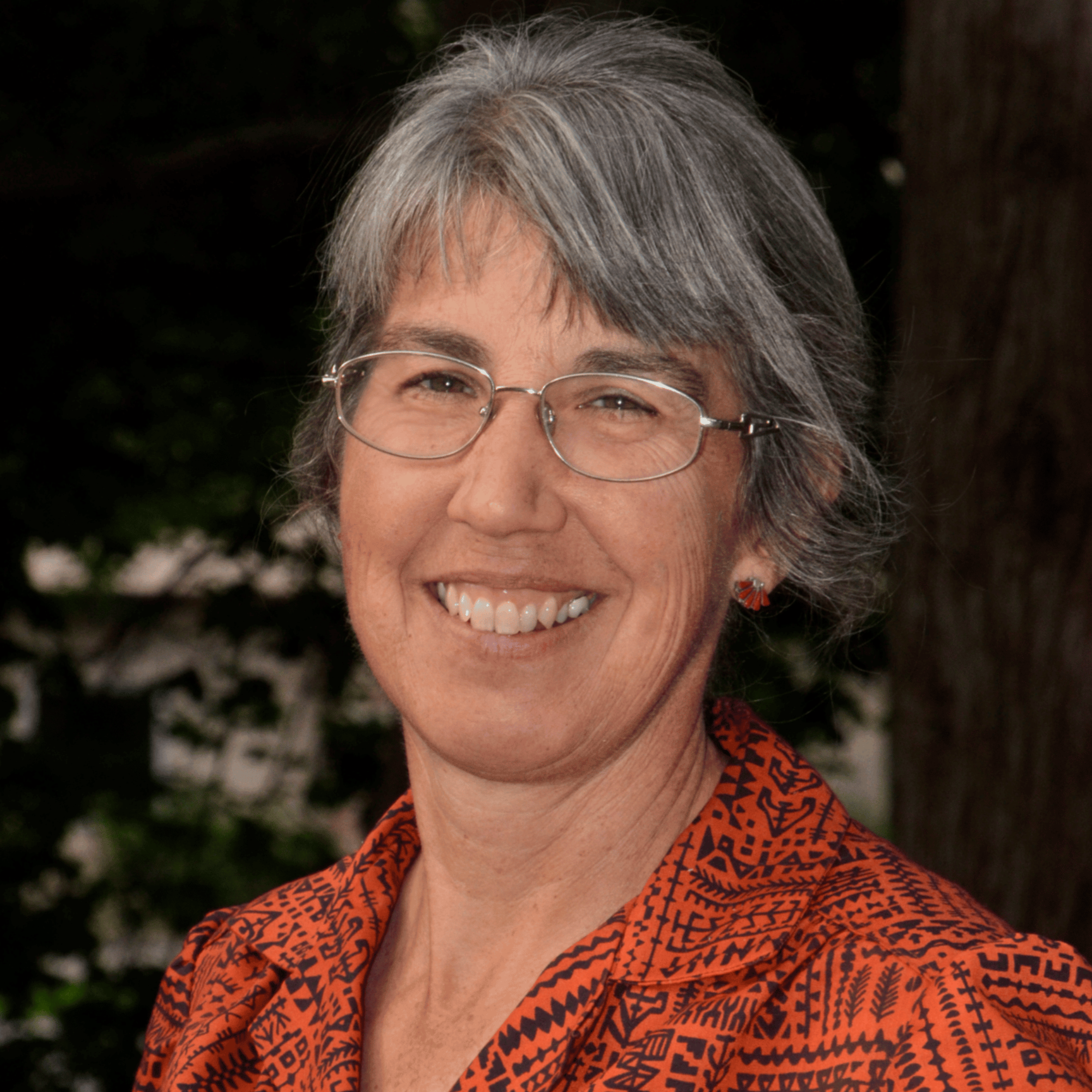
Dr. Ellen Wohl
January 27-28, 2027
Webpage
Department of Geosciences
Colorado State University
Ellen Wohl received a BS in geology from Arizona State University and a PhD in geosciences from the University of Arizona. She is a professor in the Department of Geosciences at Colorado State University and a University Distinguished Professor. Her research focuses on physical processes and forms in river channels and floodplains, and how these interact with biogeochemistry and ecological and human communities. She has conducted field research in diverse environments around the world and she enjoys writing about river science for non-scientists.
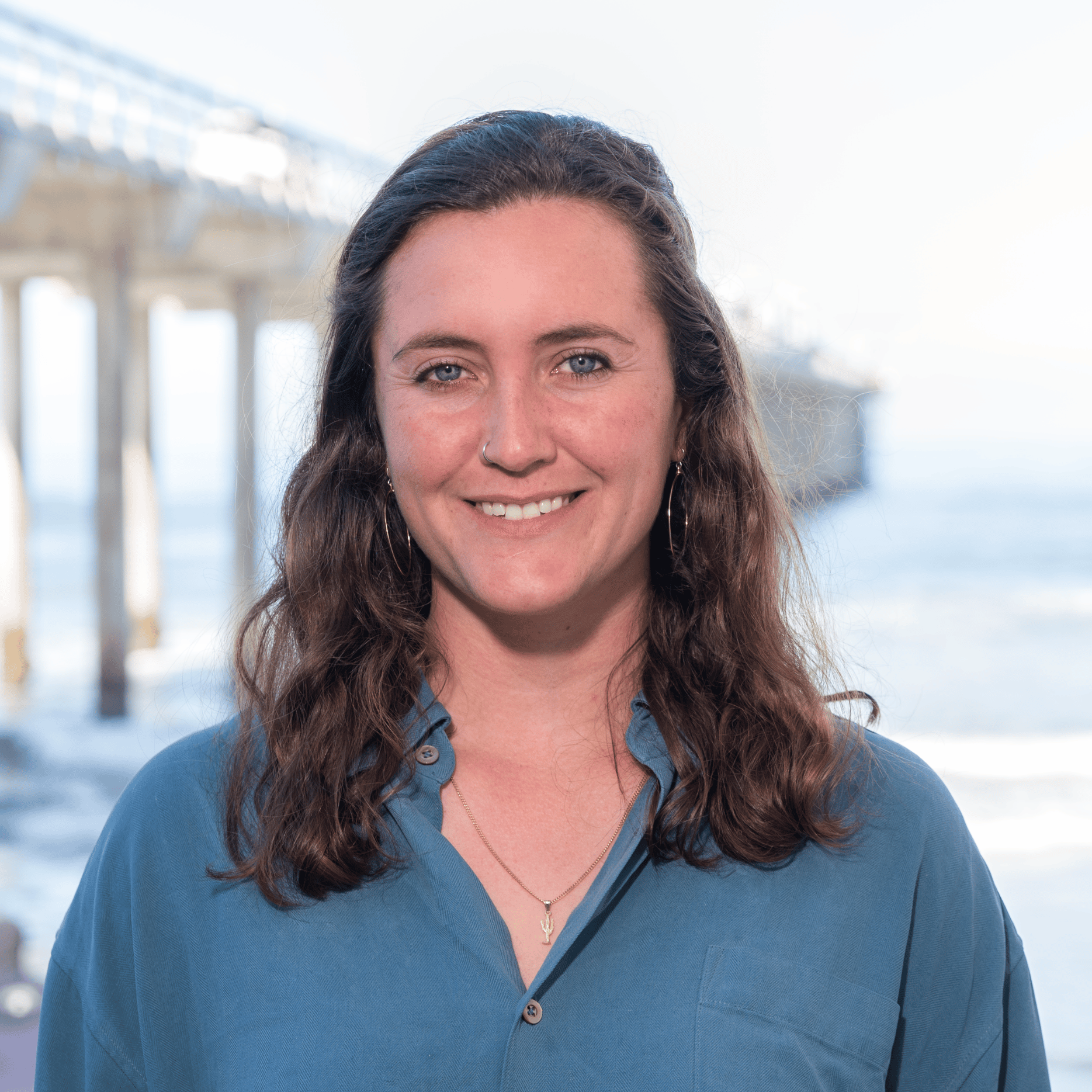
Dr. Jessica Kendall-Bar
February 10-11, 2027
Webpage
Department of Marine Science (Incoming Assistant Professor, January '27)
CSU Monterey Bay
Jessica Kendall-Bar is an Assistant Professor of Biological Oceanography at CSU Monterey Bay (beginning Jan. '27). Her research combines neurophysiology, biologging, and data visualization to study how marine mammals rest, forage, and thrive at sea. After earning her PhD in Ecology and Evolutionary Biology at UC Santa Cruz, she completed two postdoctoral fellowships at UC San Diego as a Scripps Institutional Postdoctoral Fellow and Schmidt AI in Science Fellow. Her dissertation included the first recordings of brain activity in a wild marine mammal, revealing how elephant seals rest during deep ocean dives. She also develops environmental data visualizations that communicate ecosystem impacts to diverse audiences.
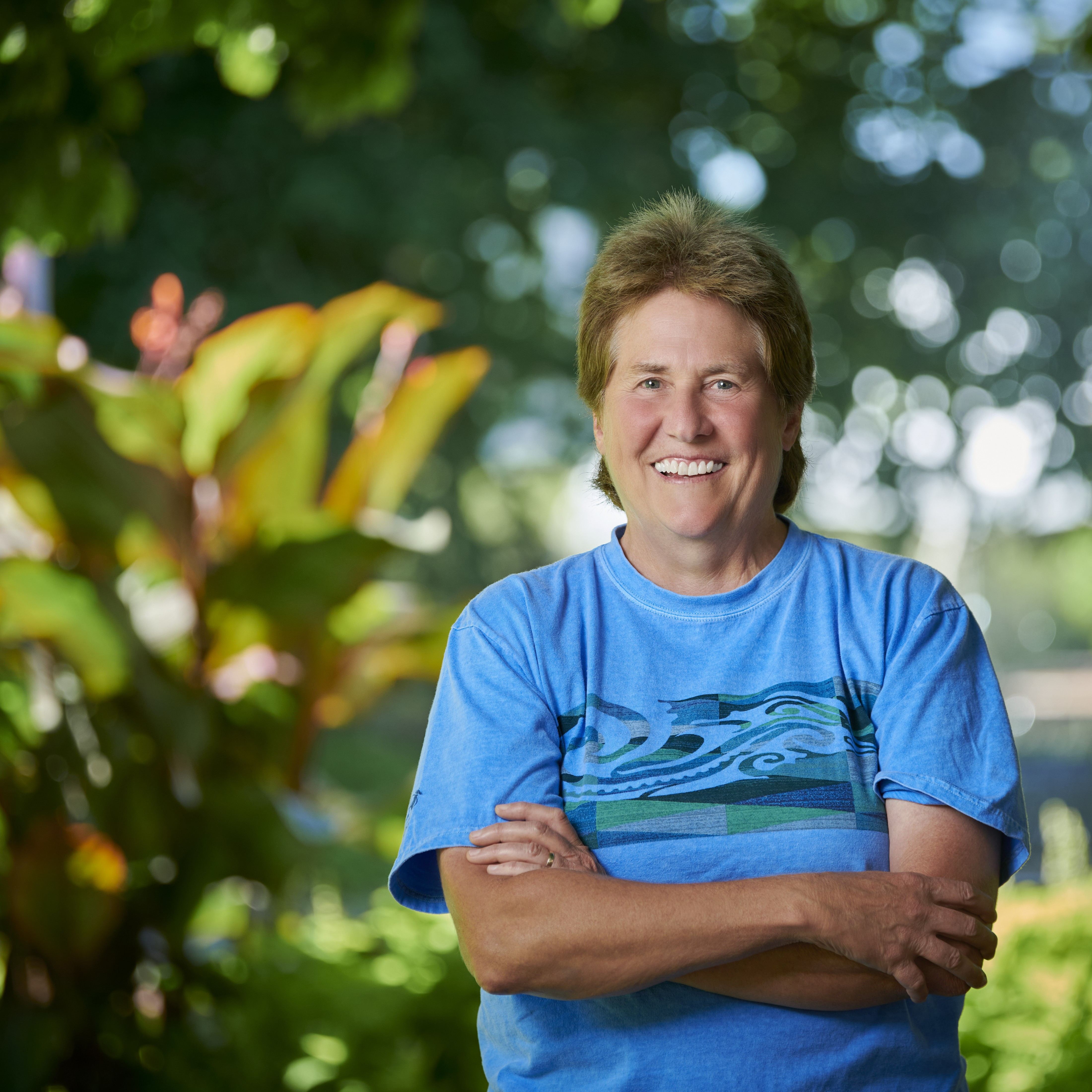
Dr. Deborah McCullough
March 24-25, 2027
Webpage
Department of Entomology & Department of Forestry
Michigan State University
Deb McCullough holds a B.S. in Biology/Ecology and a M.S. in Forestry from Northern Arizona University, along with a Ph.D. in Entomology from the University of Minnesota. She is a Professor in the Dept. of Entomology with a joint appointment in the Dept. of Forestry at Michigan State University. McCullough balances research, extension and teaching responsibilities that focus on ecology and impacts of native and invasive forest insects, along with developing sustainable management strategies to protect forest health. Current research projects focus on invasive, tree-killing adelgids that affect hemlock and balsam fir, oak wilt, spotted lanternfly, diversity of native longhorned beetles and emerald ash borer. Pastimes include hiking (with her dog), trail biking, hunting, fishing and a little golf (what you play when you’re too old for softball!).
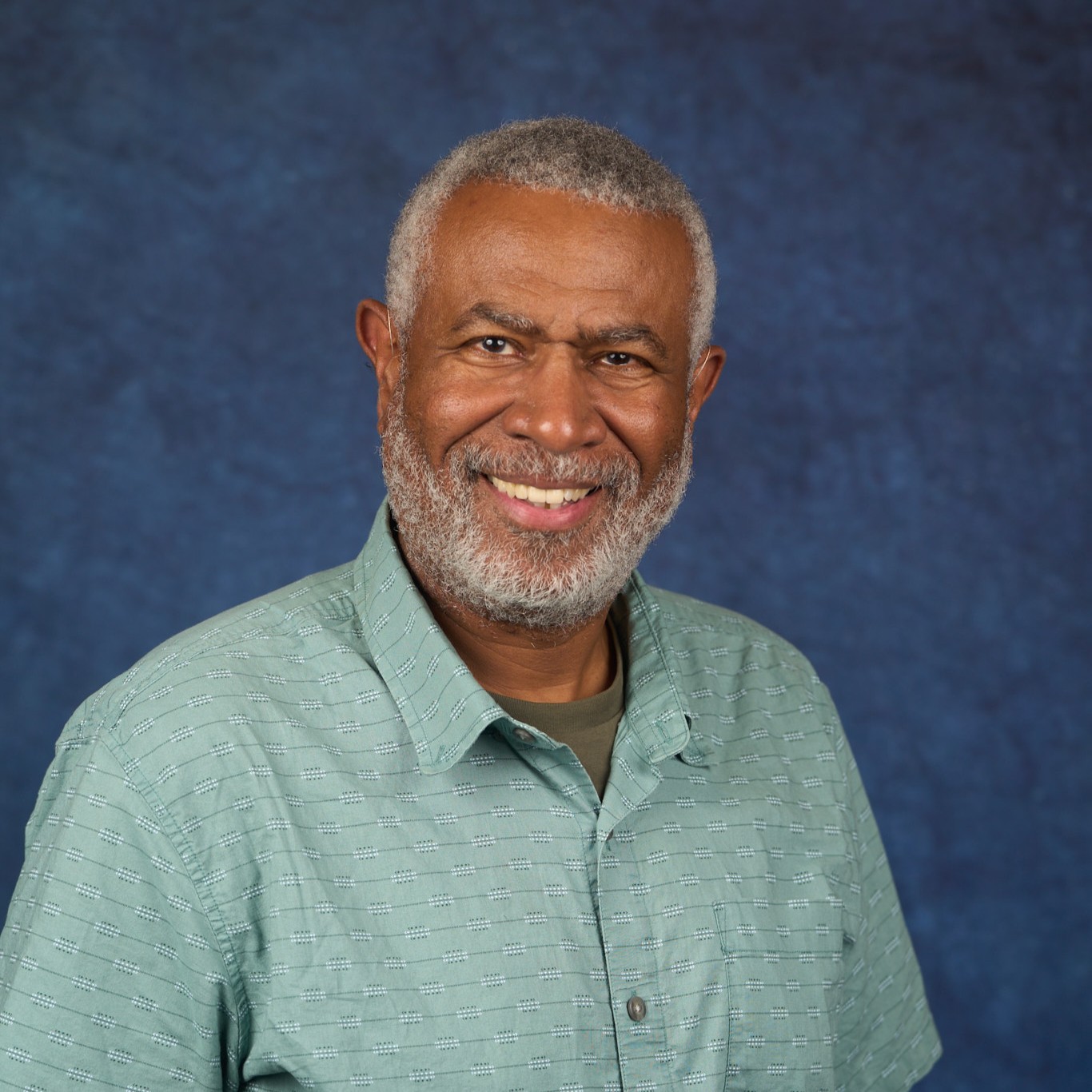
Dr. Scott Edwards
April 21-22, 2027
Lab
Department of Organismic and Evolutionary Biology
Museum of Comparative Zoology
Harvard University
Research in Scott Edwards’ lab uses evolutionary genomics to understand the genetic underpinnings of the diversification of birds. Recent work has used long-read DNA sequencing at the population scale to understand the evolution of structural variants – mutations that span multiple nucleotides and often underly adaptive phenotypes. In other work, we are using phylogenetic statistical models to determine the genetic correlates of diverse phenotypic traits in birds, including loss of flight. Intriguing genetic candidates are then tested using functional assays such as enhancer screens and developmental perturbations to establish mechanistic links with the target phenotype.