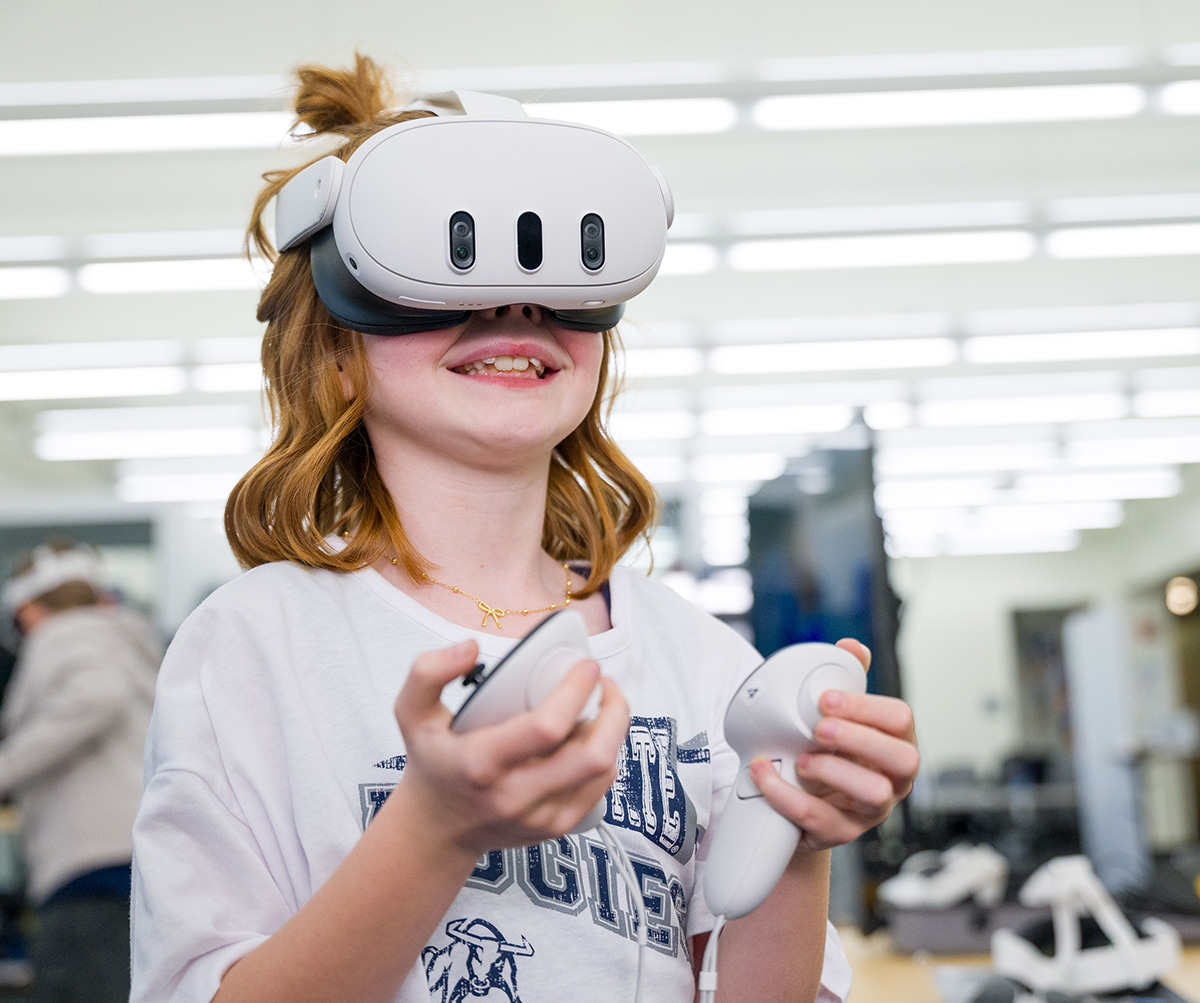
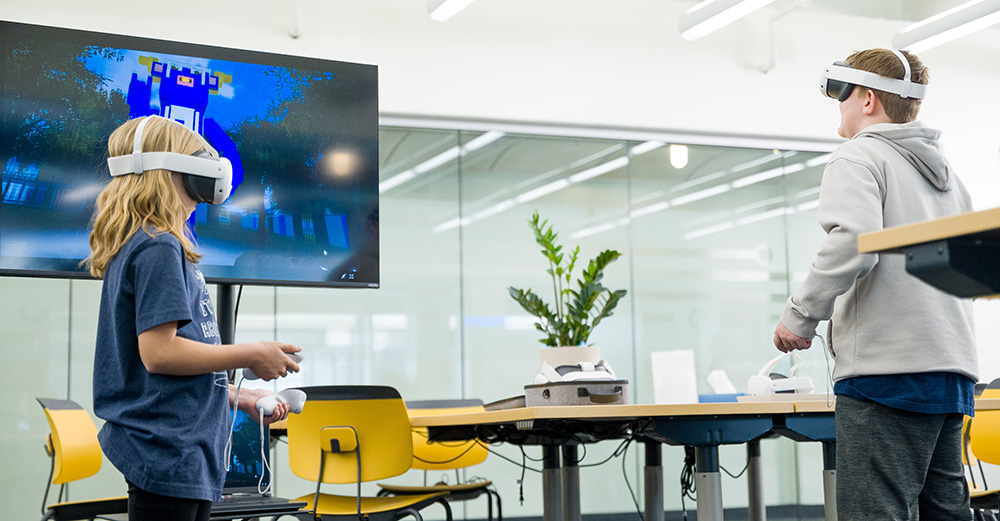
For a new generation of future students, exploring Utah State University begins long before stepping foot on campus—it starts on Roblox.
Recognizing the power of interactive digital spaces, University Marketing and Communications teamed up with Professor Ramy Shaaban and students in the Human Experience Design and Interaction (HEDI) program. Together, they built the first full, interactive university experience in the metaverse.
Launched in Fall 2026, Aggie Campus Life—USU's experience on Roblox—challenges users to "earn" their degree across three colleges through daily interactive activities. Players can explore inside campus buildings, snap a photo with Big Blue, and dive into Aggie traditions, preparing the next generation of students through hands-on design and immersive play.
In The News
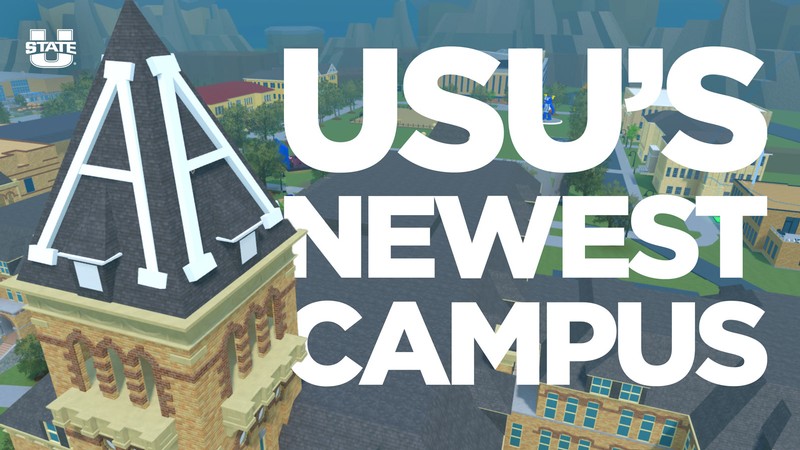
USU Offers Virtual Campus Experience Through Roblox
For a new generation of future students, exploring Utah State University begins long before stepping foot on campus — it starts on Roblox.