
2026 Presenters
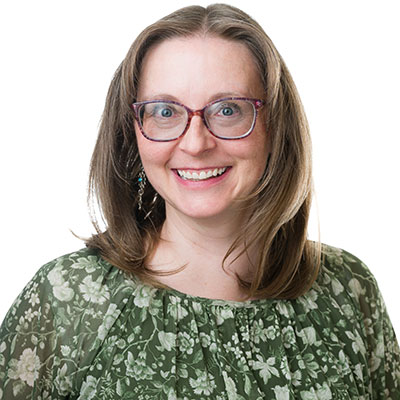
Genevieve Ford
Genevieve Ford is an Associate Professor of English with the USU College of Arts & Sciences. She has a PhD from Illinois State University, an MA from Brigham Young University, and a BA from Utah State University. Dr. Ford works from the Blanding Campus in the USU Statewide Campus network.
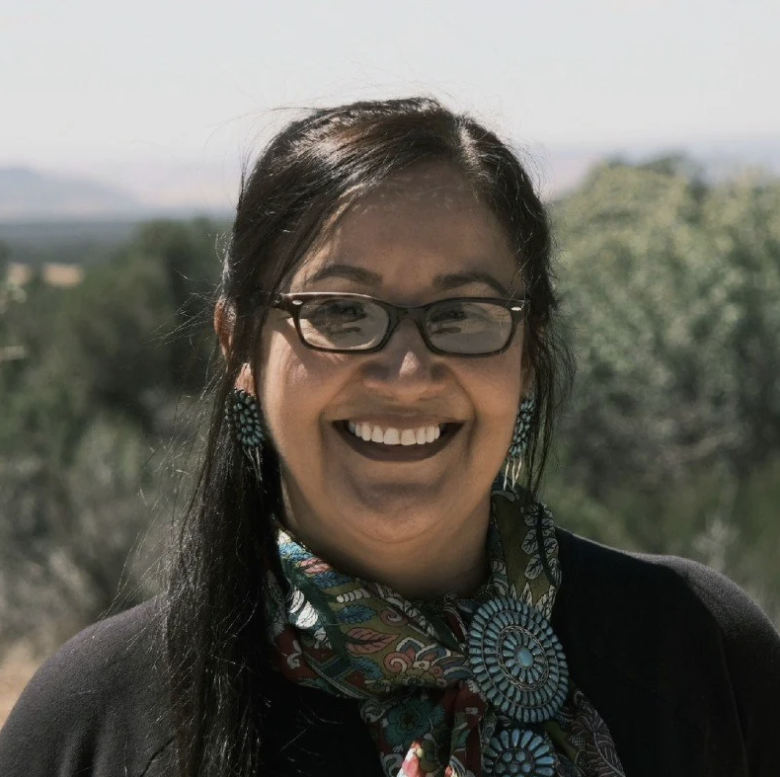
Shannon Tooke
Shannon Tooke is a Navajo (Diné) executive leader from Tuba City, Arizona. She is born to the Irish People Clan (Nimasii Diné) and born for the Zuni Water’s Edge Clan (Naasht’ézhi Tábąąhá), with maternal grandfathers from the Irish People Clan and paternal grandfathers from the Red-Running-Into-the-Water Clan (Táchiinii).
Shannon holds a bachelor’s degree in Business Administration, a master's degree in Business Administration, and a master’s degree in Human Resources from Utah State University, as well as a Master of Legal Studies in Indigenous Peoples Law from the University of Oklahoma School of Law. She is currently pursuing a Ph.D. in Organization & Management: Leadership at Liberty University.
With more than 14 years of leadership experience, Shannon brings expertise in administrative management, human resources, communications, educational oversight, cultural awareness, and community engagement. She is committed to empowering Indigenous communities through education, wellness, and sustainable leadership. Guided by her belief that “knowledge is power,” she strives to inspire others through lifelong learning and service.
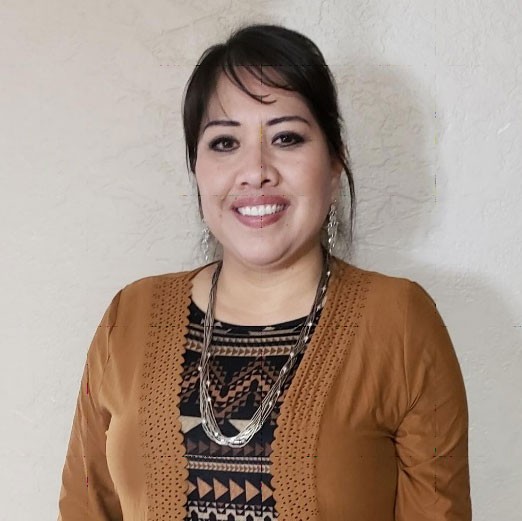
Charlotta Lacy
Charlotta Lacy is of the Big Water clan, born into the Red House people clan within the Navajo (Diné) nation. Her maternal grandfathers are the Black Streak Wood people, and her paternal grandfathers are the Mud people.
As a child, she was born and raised on the Navajo Reservation. Charlotta has worked as a Reading Interventionist for Blanding Elementary. She also taught full-time as a Heritage Language teacher at Albert R. Lyman Middle School and San Juan High School in Blanding, Utah. Currently, she is working as a full-time Navajo translator. She enjoys teaching the Navajo language, culture, history, government, and the traditions of her Diné people.
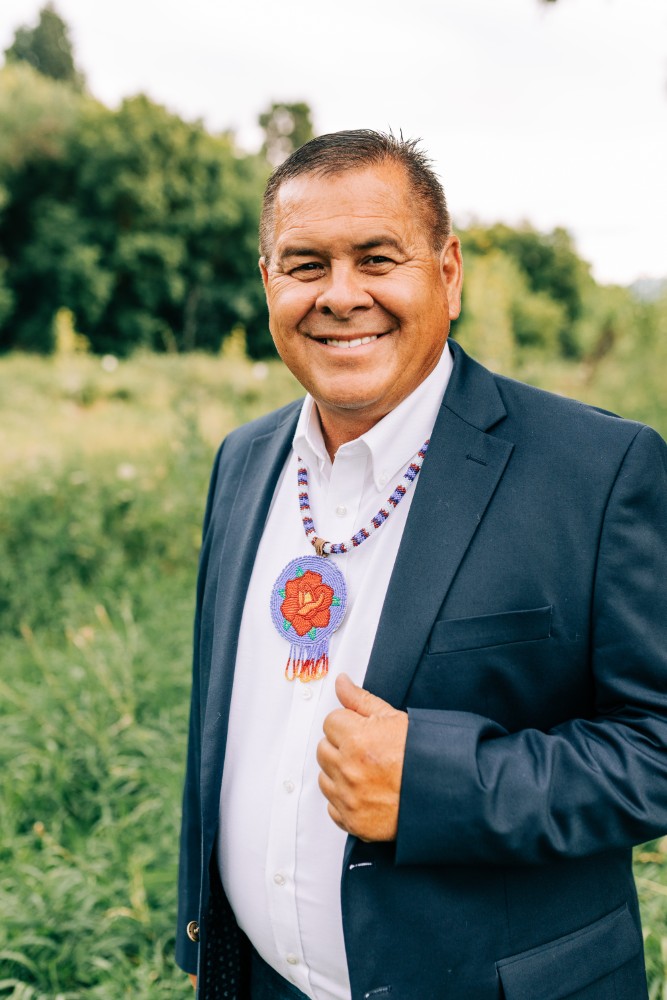
Darren Parry
Darren Parry is the former Chairman of the Northwestern Band of the Shoshone Nation and an influential voice in Native American leadership, history, and environmental stewardship. He serves on the Board of Directors for Utah Humanities and PBS Utah. Darren earned his Bachelor's Degree in Education from Weber State University and, in 2024, received an Honorary Doctorate in Education from Utah State University.
He is the author of The Bear River Massacre: A Shoshone History and Tending the Sacred: How Indigenous Wisdom Will Save the World. He teaches in the Environment, Society and Sustainability department at the University of Utah and lectures nationally and internationally on Native American history, Indigenous perspectives on sustainability, and climate resilience. In recent years, he has spoken at institutions including Harvard University and the University of Copenhagen, sharing Indigenous insights on climate, environment, and land stewardship.
Darren's work centers on ensuring that the stories, wisdom, and sacrifices of those who came before are honored and remembered, and that Indigenous knowledge continues to inform solutions for a sustainable future.
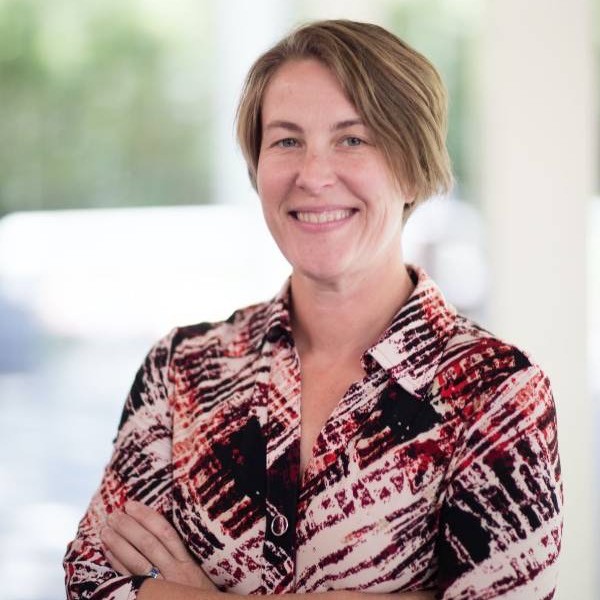
Molly Cannon
Molly Boeka Cannon is Professional Practice Assistant Professor at Utah State University. She serves as Executive Director and Curator for the Museum of Anthropology, communicating research through public programming and exhibition in the museum to USU and Cache Valley communities. Her research examines the role of material culture for understanding past communities and experiences. She is Co-Director of the NEH-funded Bringing War Home Project (2021-23) and is currently the Director of the Mountain West Center for Regional Studies at USU. She holds a PhD in Geography from the University of Nebraska, an MA in Anthropology from the University of Wyoming, and a BA in Anthropology from the University of Nebraska.
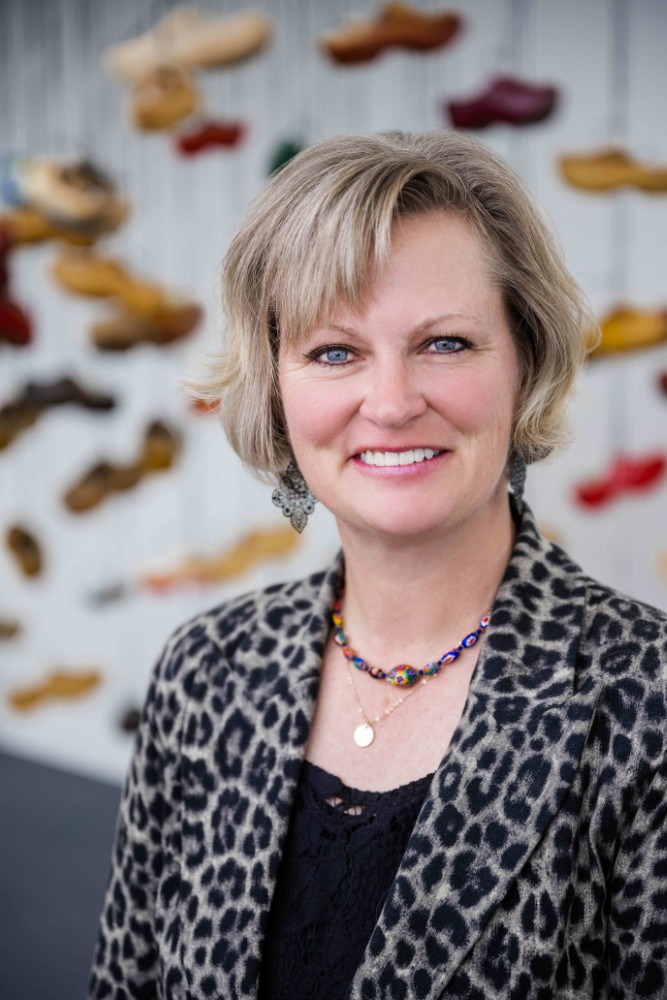
Shannon Erickson
Shannon Erickson graduated from Utah State University in 1995 with a bachelor's degree in Psychology and Dance Education, adding a minor in art a few years later. In 2021, she completed a master's degree in art education. She has worked as a dance teacher for 15 years and as an art teacher for 10 years. In 2021, she began working at NEHMA as the director of learning and engagement for K-12 and the community and is thrilled to be in her dream job serving the residents of Cache Valley and beyond! Shannon has received the Outstanding Graduating Senior Award (1995), the Student Teacher of the Year Award (1997), the Citizen of the Year Award (2011), the Teacher of the Year Award (2018), Cache Valley's Hat's Off Award (2021), and the Museum Educator of the Year Award (2023). Shannon lives on a small farm with her husband of 33 years, Bryan Erickson. They have four adult children, three daughters-in-law, two grandchildren, seven alpacas, 14 chickens, five bunnies, two cats, and one dog. She loves hiking, backpacking, kayaking, and snowshoeing. She also has a passion for making art in various media.
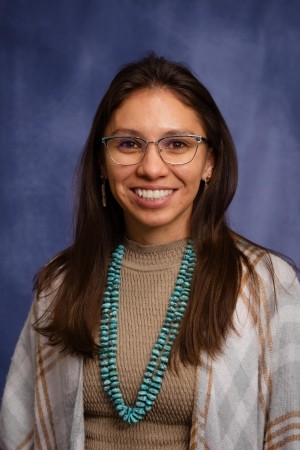
Reagan Wytsalucy
Reagan Wytsalucy was born in Tuba City, AZ and raised in Gallup, NM. Agriculture was a hidden hobby Reagan acquired growing up. She knew about agriculture and the basics of giving a plant water and sunlight, but until her father gave her the idea of studying agriculture to help revive production on the Navajo and Zuni Reservations, did she become passionate about this field of study. Currently, many Native Americans have abandoned traditional agricultural practices to search for jobs off the reservations, leaving the youngest generation uneducated about their traditional agriculture practices. Reagan has expanded her knowledge and continually strives to learn as much as possible about agriculture. She sees her education in agriculture as a way for her to become exposed to, and learn about sustainable and other potential agriculture systems that would benefit her people and support their traditional beliefs. Reagan's career opportunities lay with her research and how well she is able to establish and develop the selected areas to support numerous crops in sustainable, fruitful ways. This work will create a career opportunity with the Navajo Nation, to continually support efforts to provide a pathway to revive agriculture on the Navajo and Zuni Reservations.
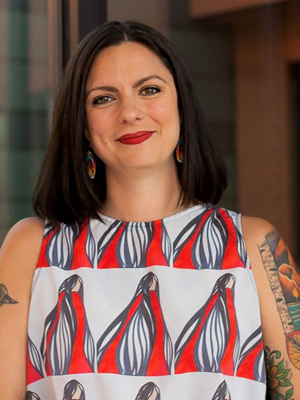
Melissa Tehee
Melissa Tehee is currently an Associate Professor at Utah State University in the Department of Psychology and Director of the American Indian Support Project (AISP). She is a citizen of the Cherokee Nation. Her clinical and research interests are in addressing trauma across the life span. Her research has focused on bias/prejudice/racism, health disparities, and domestic violence and other trauma experienced by ethnic and racial minorities, especially American Indians. Her interdisciplinary training allows her to consider the convergence of these topics with law and policy. Other interests include the dissonance of the APA ethics code with culture, multicultural competence, and mentoring. She earned dual degrees in Clinical Psychology, Policy, and Law (Ph.D./J.D.) with a certificate in Indigenous Peoples Law and Policy at the University of Arizona. She completed my predoctoral internship at the University of California San Diego and San Diego VA consortium. She has a master’s of science in psychology from Western Washington University and a bachelor of arts in psychology from the University of Nebraska.