Ask an Expert — Be Ready: What to Do If You Need to Evacuate
By Stephanie Carlson |
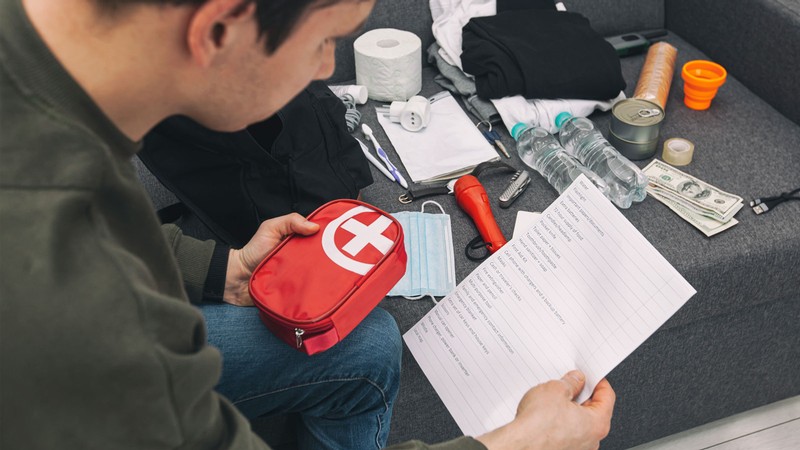
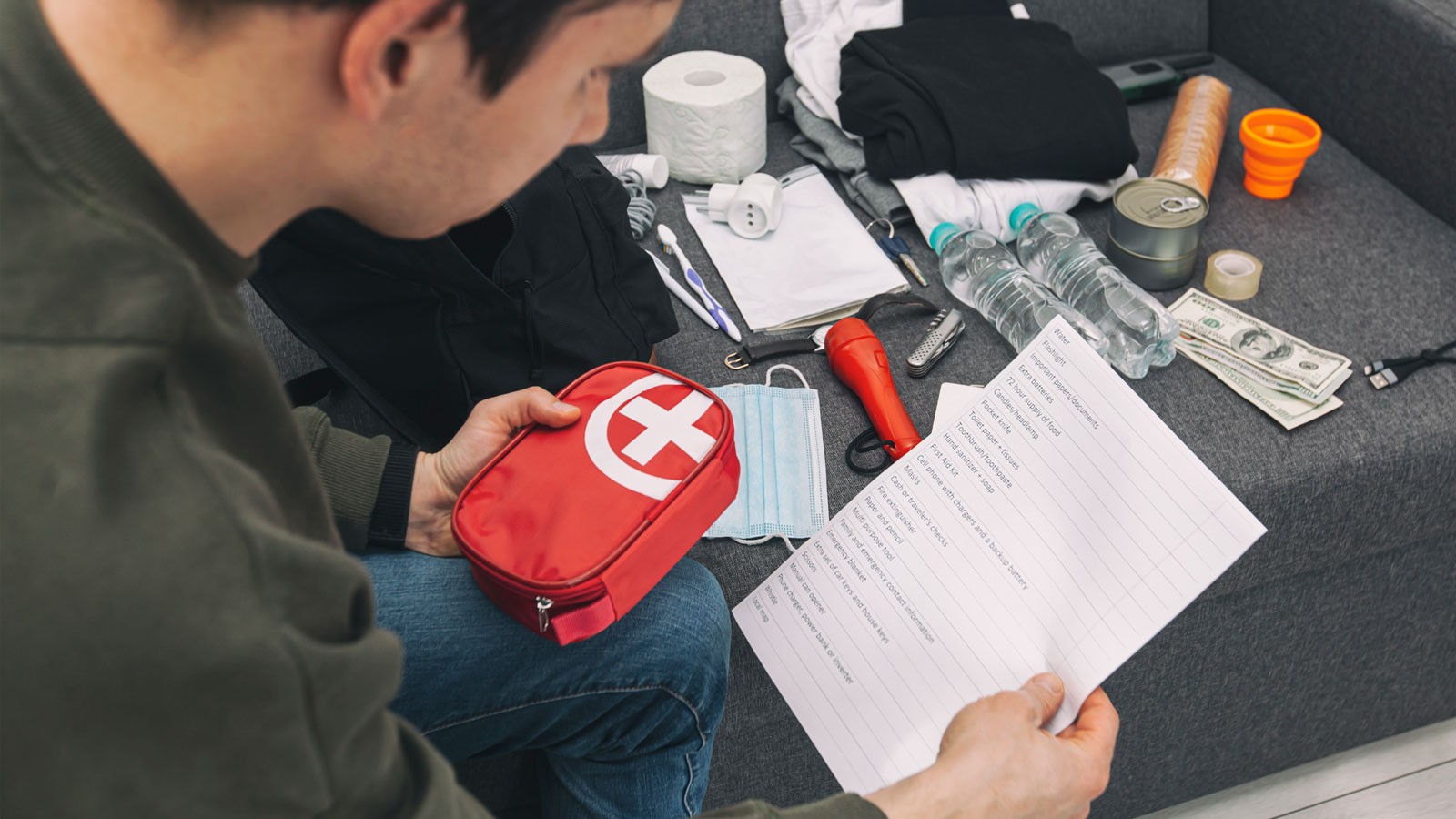
With wildfires threatening communities across the state, evacuation orders can happen with little warning. Preparing your household now can help you evacuate quickly and safely if it becomes necessary.
- Assemble grab-and-go kits. The Ready.Gov website offers printable instructions for building a basic disaster supply kit, including:
- Water: one gallon per person per day for three days for drinking and sanitation.
- Food: at least a three-day supply of non-perishable food per person.
- Sleeping bag or warm blanket.
- Change of clothes.
- Cash (small bills).
- Battery, solar or hand-cranked radio.
- Flashlight, extra batteries.
- First-aid kit.
- Portable power bank or solar charger.
- Whistle (to signal for help).
- Dust mask (to help filter contaminated air).
- Plastic sheeting, scissors and duct tape for sheltering in place.
- Moist towelettes, garbage bags and plastic ties as well as soap, hand sanitizer and disinfecting wipes.
- Personal hygiene items.
- Cell phone with chargers and a backup battery or solar charger.
- Prescriptions and other medications.
- Pet food, water and supplies.
- Infant formula, bottles, diapers, wipes and other supplies.
- A complete change of clothing for each person, including underwear and sturdy shoes.
- Mess kits, paper cups, plates, paper towels and plastic utensils.
- Paper and pencil plus books, games, puzzles and activities for children.
- Ensure that a copy of your important documents, such as birth certificates, insurance policies and financial records, is easily accessible.
- Identify emergency meeting spots and practice going there regularly.
- Make sure at least one family member knows first aid and CPR.
- Write down or memorize all family members’ contact information, including phone numbers and birthdates.
- Have a family communication plan. Review and practice the plan regularly.
- Be sure to involve children and youth in preparedness efforts. Research shows that youth who are involved experience less stress and anxiety during and after an emergency.
- Visit USU Extension’s preparedness website for additional emergency preparedness information.
WRITER
Stephanie Carlson
Assistant Professor
Utah State University Extension
Stephanie.Carlson@usu.edu
TOPICS
Extension 605storiesSHARE
Comments and questions regarding this article may be directed to the contact person listed on this page.