Graveyard Shift: Travelers Pay Big for Dark Experiences, According to New Research
Research from the Institute of Outdoor Recreation and Tourism shows recreationists are willing to go to great lengths, and expense, to escape light pollution.
By Lael Gilbert |
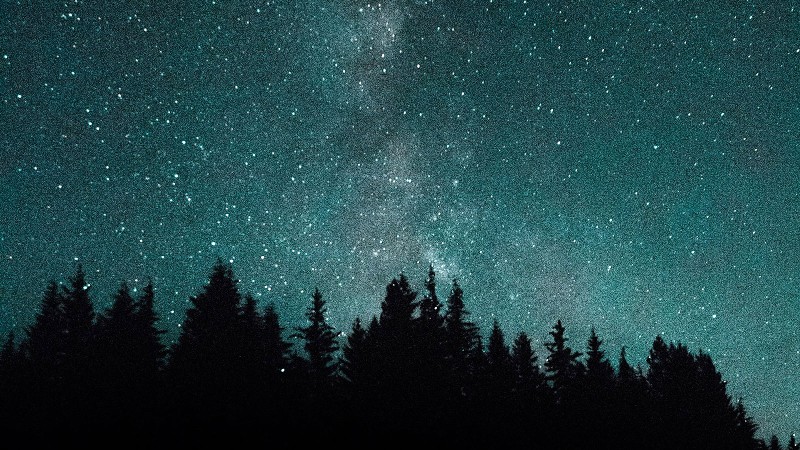
(Photo credit: Nick Chung)
Some people may be jumping at shadows this Halloween season, but new research from the Institute of Outdoor Recreation and Tourism at Utah State University finds that many people lean into dark encounters — those under dark night skies.
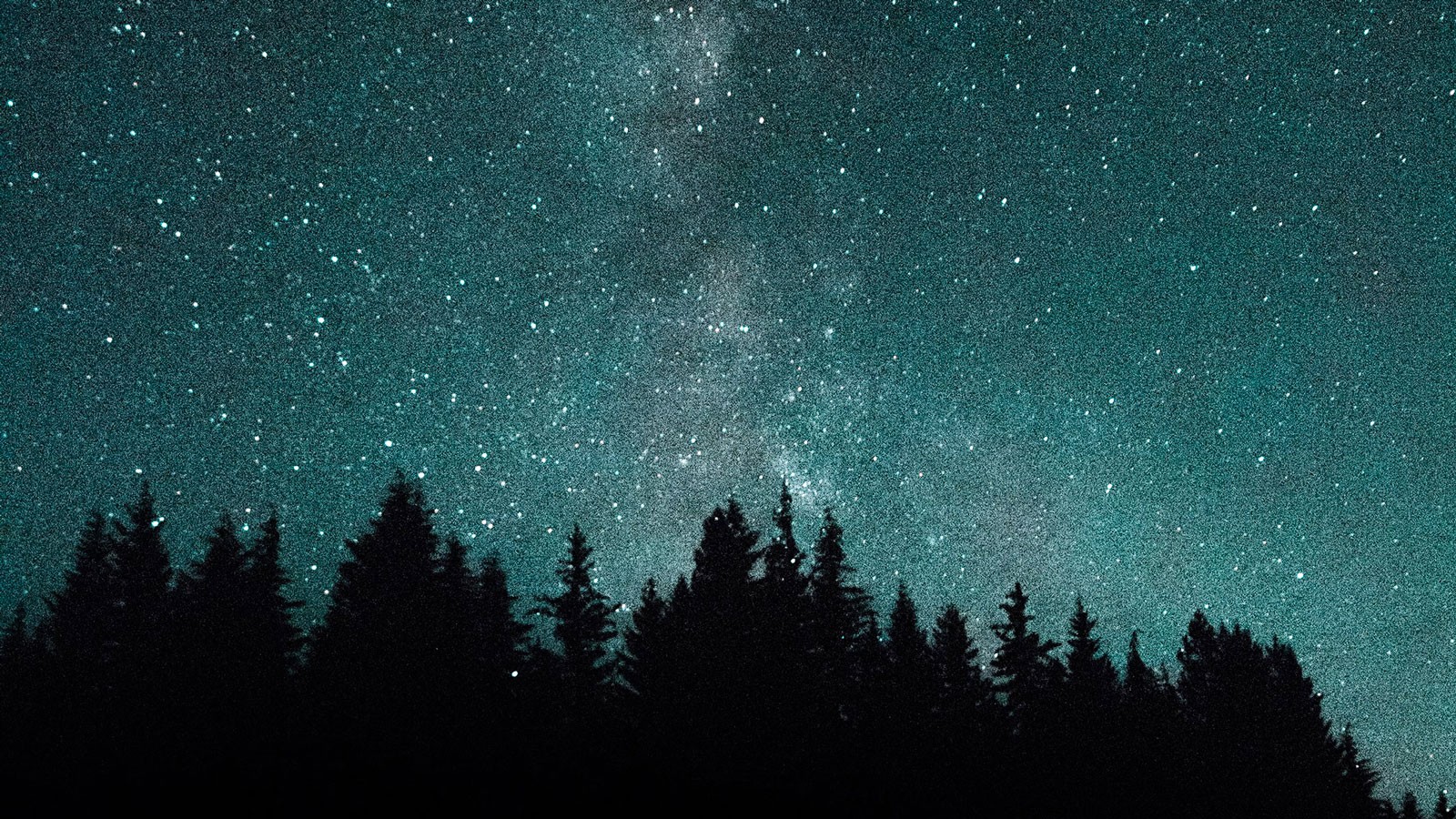
Many recreationists are willing to drive hundreds of miles to immerse themselves in natural dark and star-filled nightscapes and escape urban skyglow — to places like Goblin Valley, Grand Canyon, and Dead Horse Point. But dark places are getting harder to find, thanks to a haunting spread of unchecked artificial light.
Dark night skies are a multi-million-dollar economic driver for recreation and tourism, but those visitors are being increasingly frightened off by expanding light pollution, according to research being published in the journal Ecosystem Services from Jordan Smith, director of the Institute of Outdoor Recreation and Tourism. The team included Anna Miller and Chase Lamborn from the Department of Environment and Society and partners from the National Park Service.
Utah boasts the highest concentration of certified Dark Sky International places in the world, with natural nightscapes an important driver for rural tourism economies. For communities surrounding the state's iconic national and state parks, pristine dark skies are not just a circumstantial asset but an economic engine, Smith said.
The actual cost of light pollution needs to be understood and accounted for, Smith said. Artificial light has already made the Milky Way invisible to more than one-third of people on Earth, limiting people’s ability to connect with the cosmos, he said.
“Nighttime lighting is certainly necessary,” Smith said, “but it’s often not designed in a way to limit light pollution. We don’t always recognize the actual costs associated with lighting practices for things like human health, the environment, and the cultural experience of being under a starry sky.”
The researchers tackled one aspect of the growing problem — how much recreationists value dark night skies. They analyzed visitor surveys and satellite data across 36 sites on the Colorado Plateau, including national parks like Arches, Bryce Canyon, Canyonlands, and Capitol Reef, as well as state parks like Goblin Valley. They found that the majority of visitors were engaged in activities that depended on dark skies like stargazing, night-sky photography, or nocturnal wildlife viewing. These visitors traveled more than 550 miles, on average, to reach a destination where they could experience star-filled skies, and they were willing to pay extra in travel costs to enjoy darker night skies.
As accelerating development and expanding artificial light erode nighttime visibility, Utah faces a new kind of economic vulnerability. If night skies continue to brighten, scary statistics could follow. Even a 1% increase in night-sky brightness put between $11.8 million and $68.5 million in recreational value at risk across just four months on the Colorado Plateau, according to the research.
Places with the most economic risk as skyglow spreads are near the region’s flagship parks — Grand Canyon, Zion, Bryce, and Arches national parks, along with certain state parks.
“Dark skies really need to be thought of as a community resource that deserve planning and protection,” Smith said. “Light pollution spreads for dozens of miles across protected park boundaries.”
There are straightforward solutions once people are aware and motivated to tackle the problem, Smith said. Dark-sky-friendly outdoor lighting strategies include ground-facing shielded fixtures, lowering lumens, and simply turning off unnecessary lights. Many communities — especially those adjacent to dark-sky hot spots — are also adopting ordinances and zoning rules to help preserve night skies without compromising safety.
“Dark night skies are one of our most undervalued natural resources, and we’re now just realizing what they are worth as they become more and more scarce,” Smith said.
WRITER
Lael Gilbert
Public Relations Specialist
S.J. and Jessie E. Quinney College of Agriculture & Natural Resources
435-797-8455
lael.gilbert@usu.edu
CONTACT
Jordan Smith
Director
Institute of Outdoor Recreation and Tourism
435-830-6294
Jordan.smith@usu.edu
SHARE
Comments and questions regarding this article may be directed to the contact person listed on this page.