Keeping Current: USU Experts Track Colorado River as Regional Water Crisis Deepens
By Lael Gilbert |
Video by Doug Ramsey.
Water levels in Lake Powell and Lake Mead fell to historic lows this summer, with managers across seven Western states and Mexico anxiously watching winter forecasts for a chance to reverse a looming water-supply crisis. Lake Powell is at 21% capacity and Lake Mead at 26% as of late August. It is the lowest combined storage for the reservoirs since the late 1950s, when Glen Canyon Dam was still under construction.
See a time-lapse of the reservoirs through the megadrought compiled by geographer Doug Ramsey, from the Department of Wildland Resources.
Last year’s record-breaking low-snowpack certainly played a part in the decline, but this crisis has been lurking in the eddies for decades, according to Gina Gilson, new interim director of the Center for Colorado River Studies. The problem is not one bad winter, or even a growing demand from urban populations — there is simply less water to go around, she said.
The region is in the midst of a 26-year megadrought. The average flow of the Colorado River during the last two decades has been 16% less than it was between 1930 and 2000, according to Jack Schmidt, senior research scientist with the Center for Colorado River Studies. A warming atmosphere is also pulling more water from the system through evapotranspiration — a combined loss of water through evaporation and plant transpiration — before it ever reaches the river.
Though cities do make large demands on the river, this crisis isn’t really about urban growth, Schmidt said. Since the onset of long-term drought in the early 2000s, the cities of Los Angeles, San Diego, Phoenix, Denver, and Las Vegas focused on water conservation, reducing water use even as their populations have grown.
Still, states have not been able to agree how to share the burden of the water shortage, and the federal government is now rationing the supply and negotiating plans for short-term management. Meanwhile the river itself faces ecological upheaval as plummeting reservoir levels alter water temperatures, block sediment transport, and threaten native fish and bird species.
In Utah, the stakes of the crisis are particularly broad, with the Colorado River system supporting communities, agriculture and ecosystems across the state. A major tributary to the Colorado, the Green River, flows through eastern Utah, with Flaming Gorge the largest of the upstream reservoirs to shore up declining levels in Lake Powell. The Central Utah Project transfers water from the Colorado River to the Wasatch Front, while agriculture in the Uinta Basin and southwestern Utah depends on the river’s water.
As Lake Powell shrinks, Utah has also lost recreational resources. At the same time, submerged natural and archaeological sites in Glen Canyon have begun to re-emerge.
It’s a complex, high stakes situation with no simple solutions. Experts at USU are keeping track of the latest developments and collaborating across disciplines to discern possible next steps.
“The human angle is one of the most fraught,” Gilson said. “We know that we need to live with less water, but decision-making about how to accomplish that involves a complex web of laws, policies, and competing values tied to the river.”
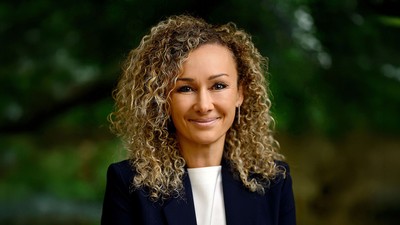
Gilson is a social scientist working to understand how decisions are made for what happens to the water supply from the Colorado River — who benefits, who loses, and how those tradeoffs come together. As water managers confront a system that can no longer reliably meet expectations, she is watching how the negotiations unfold. Her research looks at how science, law, politics, and competing interests come together at different scales.
“We’ve assumed, up to now, that we would be buffered by the massive amount of water stored in the reservoirs, so coming to grips with these limits is a trial on all levels,” Gilson said.
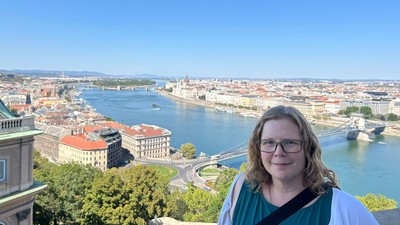
With a 40-year career in river restoration, ecosystem health, and the impact of dams under his belt, Schmidt can offer big-picture context for a public anxious to understand the problem. He’s been tapped by NPR, The Wall Street Journal, , Newsweek, CNN, and other major media outlets as the world grapples with the slow-moving catastrophe.
Fish ecologist Phaedra Budy studies what happens when rivers change and what managers can do to keep native Colorado River fish alive in a river that has been heavily altered by dams, water use, drought, and invasive species. Though the ecology of the river has been almost a secondary consideration, every change has major impacts on the survival of native fish, and the downstream consequences of that shift, according to her research.
Experts at the Utah Water Research Laboratory use water data and computer models to help people understand what the Colorado River can realistically provide, and how different ways of managing it might work as the watershed gets drier.
“It’s a natural system with a lot of uncertainty, and we need to understand the range of future conditions we could be facing,” said Director Bethany Neilson. “Our job is to give water managers the best science and tools we can so they can make informed decisions about how to use and manage a shrinking water supply.”
As the Colorado River enters this uncertain era, USU experts continue tracking changes, modeling possible futures, and studying the consequences for communities and ecosystems that depend on a river in change.
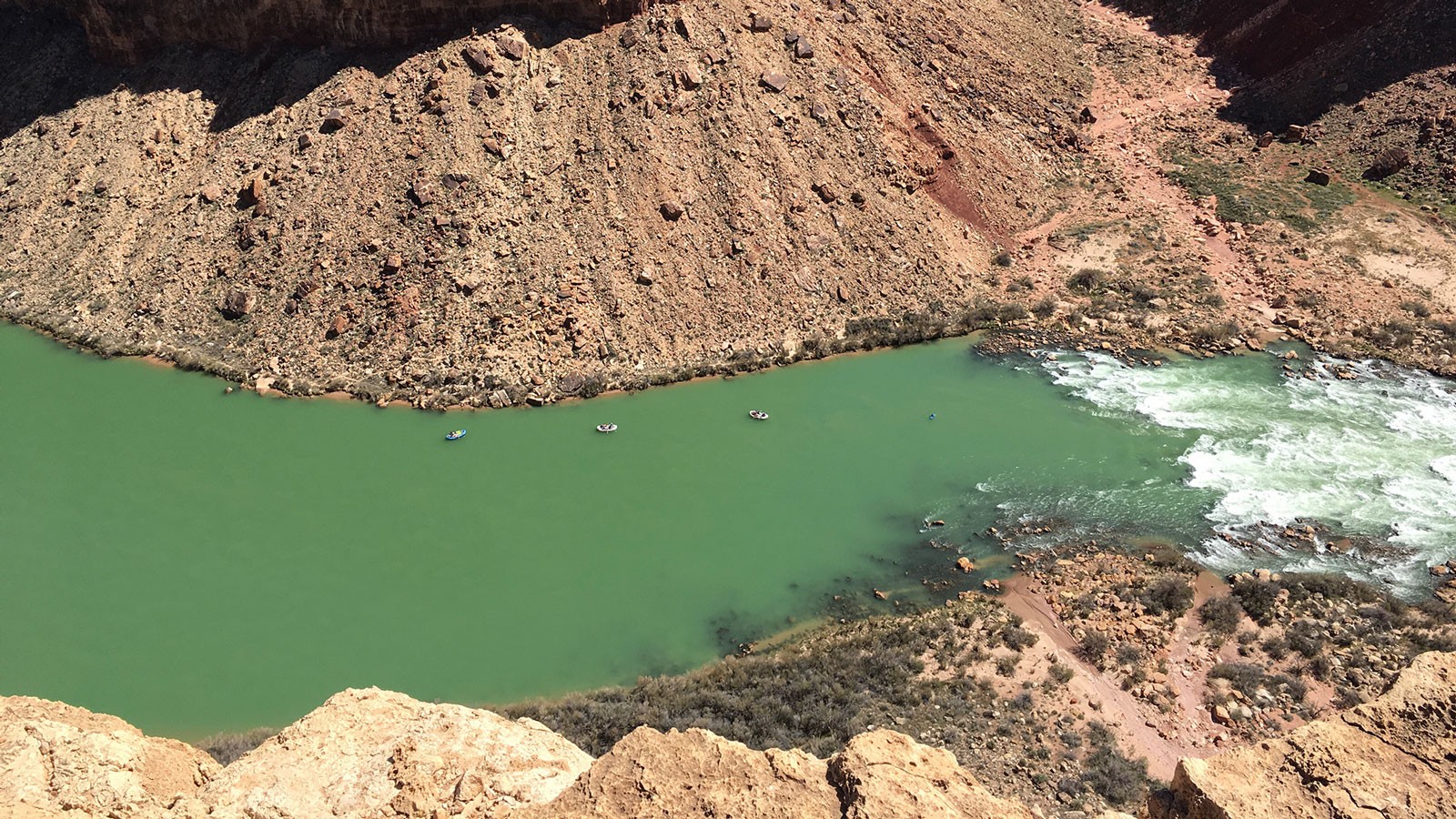
(Photo credit: Jack Schmidt.)
WRITER
Lael Gilbert
Public Relations Specialist
S.J. and Jessie E. Quinney College of Agriculture & Natural Resources
435-797-8455
lael.gilbert@usu.edu
CONTACT
Gina Gilson
Interim Director
Center for Colorado River Studies
gina.gilson@usu.edu
TOPICS
Research 1163stories Faculty 430stories Water 345stories Ecosystems 152stories Rivers 118stories Drought 29storiesSHARE
Comments and questions regarding this article may be directed to the contact person listed on this page.