USU Elementary Education Program Earns A+ in Science of Reading Instruction
By Jennifer Payne |
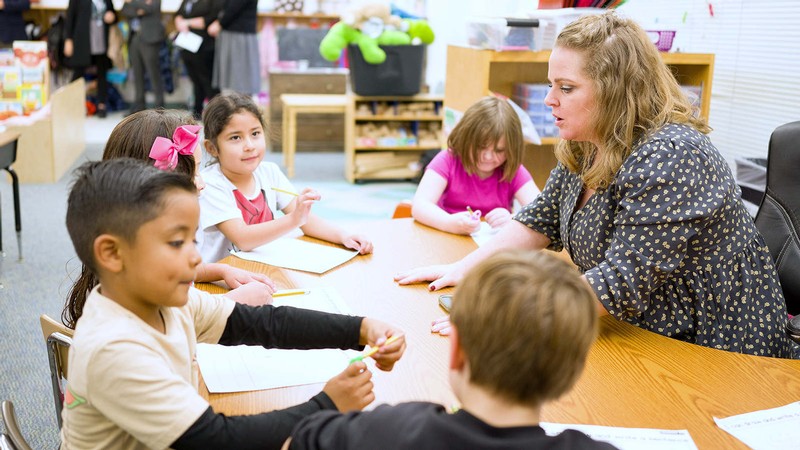
USU alumna and former Adams Elementary kindergarten teacher Deborah Brague works with students.
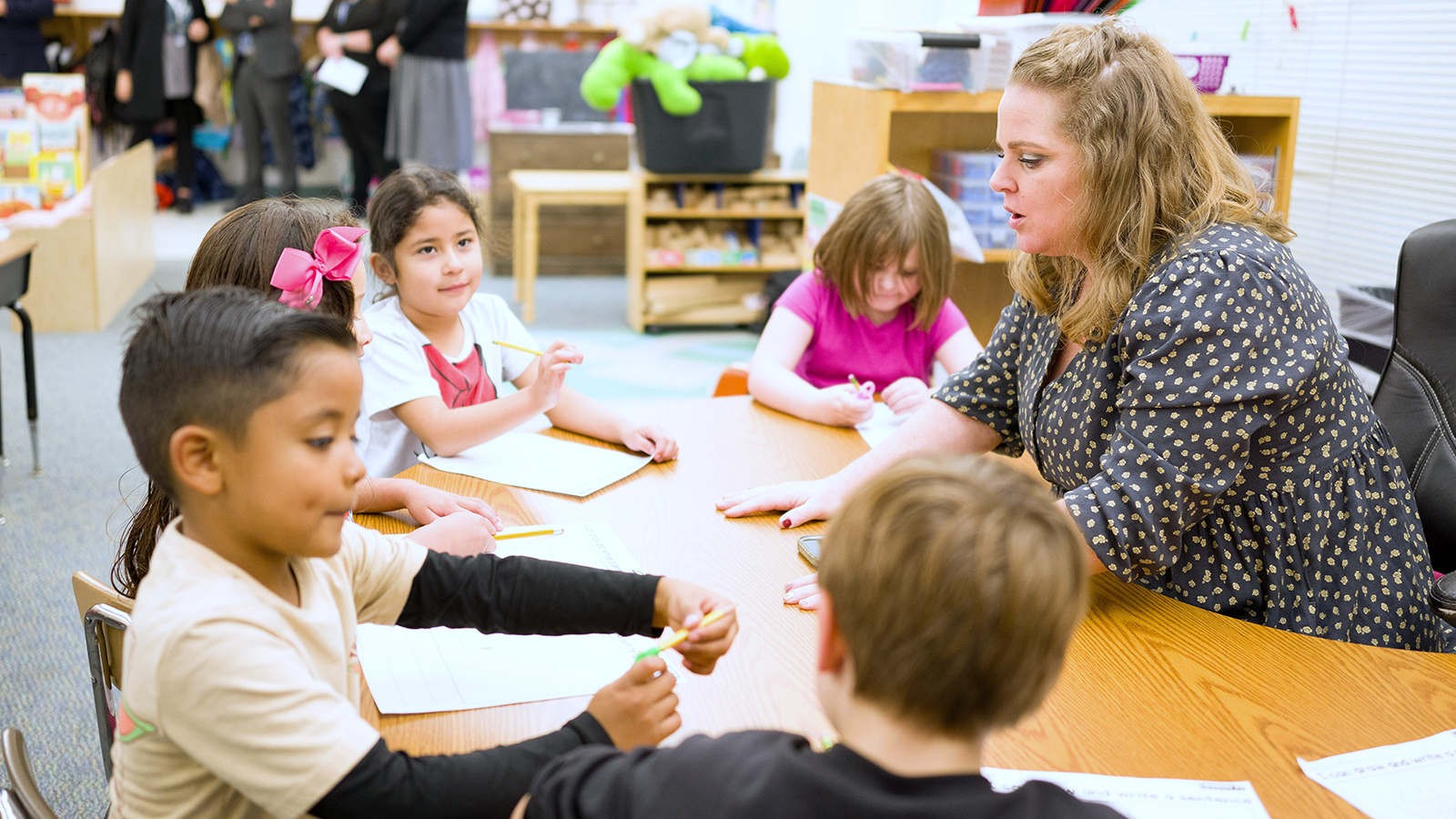
USU’s elementary education program has received a national A+ ranking for teacher preparation using the core tenets of the science of reading.
The National Council on Teacher Quality gave the A+ ranking to USU's School of Teacher Education and Leadership (TEAL), which is part of the Emma Eccles Jones College of Education, Health, and Human Sciences, after comparing nearly 700 teacher preparation programs across the nation to targets set by literacy experts.
“The science of reading is the foundation of our students’ literacy coursework, which prepares them to become effective reading teachers in the early childhood and elementary grades,” said Steven Camicia, department head of TEAL. “This grade from the NCTQ reflects our commitment to providing evidence-based methods that students put into practice during their practicum experiences and student teaching, which in turn equips them to create highly impactful learning environments in Utah schools.”
The science of reading uses evidence-based literacy practices, particularly in elementary settings, that are based on more than a half-century of research. It includes five core components of effective reading instruction: phonemic awareness, phonics, fluency, vocabulary, and comprehension. Instruction focusing on these areas has been shown to vastly increase the success of students who are learning to read.
Future teachers who are educated in the science of reading learn how to recognize and analyze trends in their own classrooms so they can apply evidence-based interventions to help their students excel. Because the science of reading is focused on individual student needs, it leads to improved outcomes for students who may not respond well to less effective teaching methods.
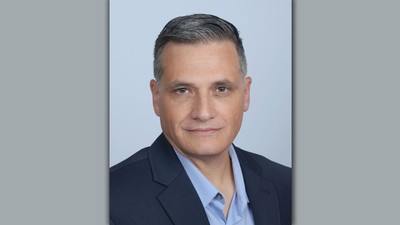
A comprehensive bill passed by the Utah legislature in 2022 incorporated the science of reading into Utah’s education curriculum. The legislation requires state-funded universities to hire a dedicated science of reading professional to help train future educators. Jake Downs, an assistant professor in TEAL, is USU’s designated science of reading professor.
Downs designs coursework to help students see what science of reading instruction looks like in real classrooms by incorporating state-approved science of reading curricula so students can analyze how lessons are structured and how well they align with research.
To complement their classroom instruction, the program also includes valuable practicum experiences in which pre-service teachers can practice their skills with real students and under supervision as they implement science of reading instruction.
“It’s hard to learn in a vacuum,” Downs said. “When students can see firsthand how classrooms work to employ the science of reading, it’s a big deal for them.”
USU students receive more than 250 hours in practicum experiences before they begin full-time student teaching prior to graduation.
“We’re helping support our undergraduates and preparing them to become effective reading instructors right out of the gate,” Downs said. “I feel our students are very, very well prepared for classroom instruction.”
Just prior to graduation each year, elementary education majors take an intensive written exam on science of reading skills and knowledge that is required for teacher licensure in Utah. In the 2024-25 academic year, USU students achieved an 88 percent pass rate on the Utah Foundations of Reading Assessment.
WRITER
Jennifer Payne
Emma Eccles Jones College of Education and Human Services
Public Relations Specialist
jen.payne@usu.edu
CONTACT
Alicia Richmond
Director of Public Relations & Marketing
Emma Eccles Jones College of Education & Human Services
alicia.richmond@usu.edu
SHARE
Comments and questions regarding this article may be directed to the contact person listed on this page.