USU Geotechnical Engineer Studies Earthquake Aftermath in Search of Answers for Utah
By Libbie Anderson |

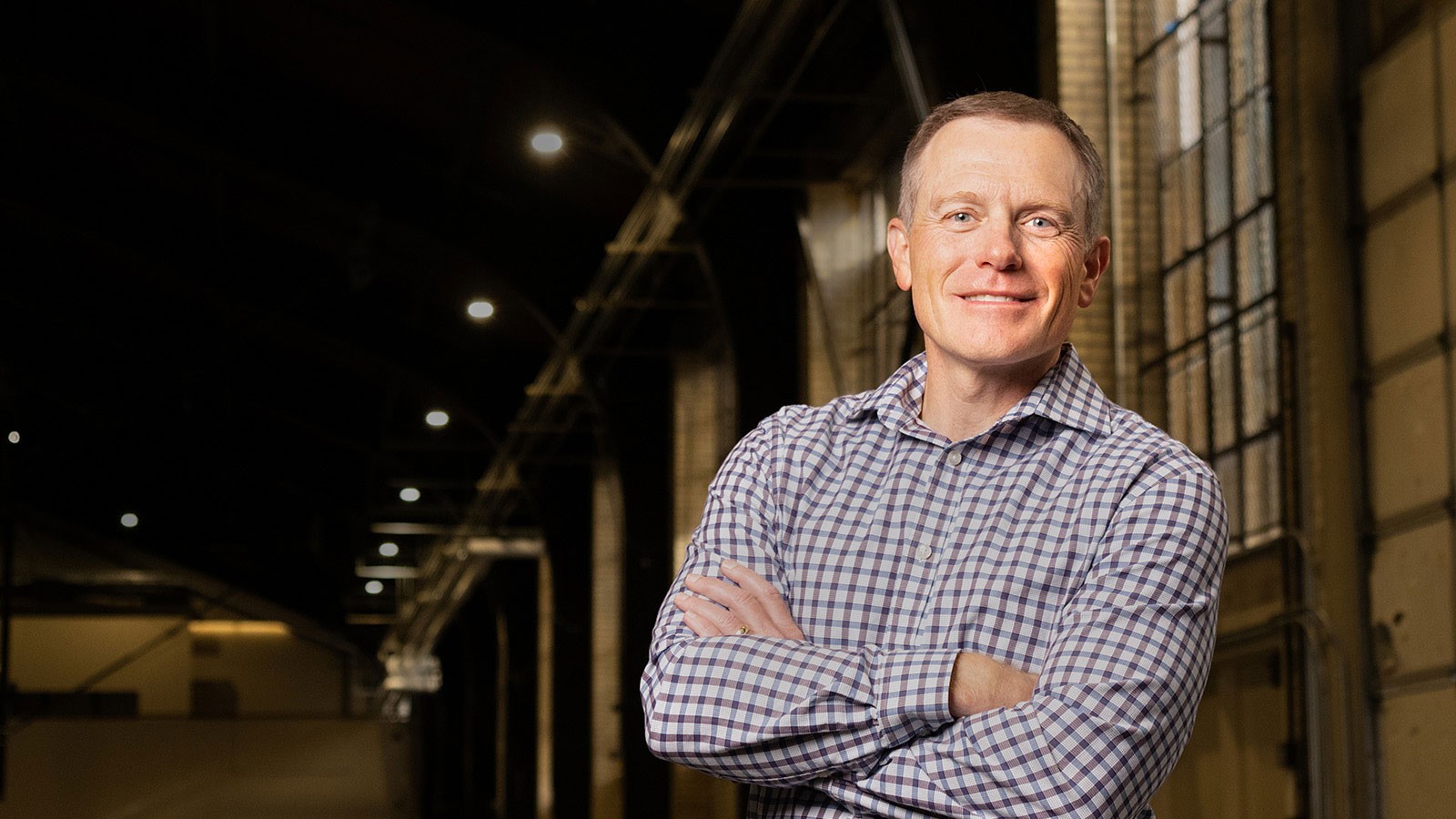
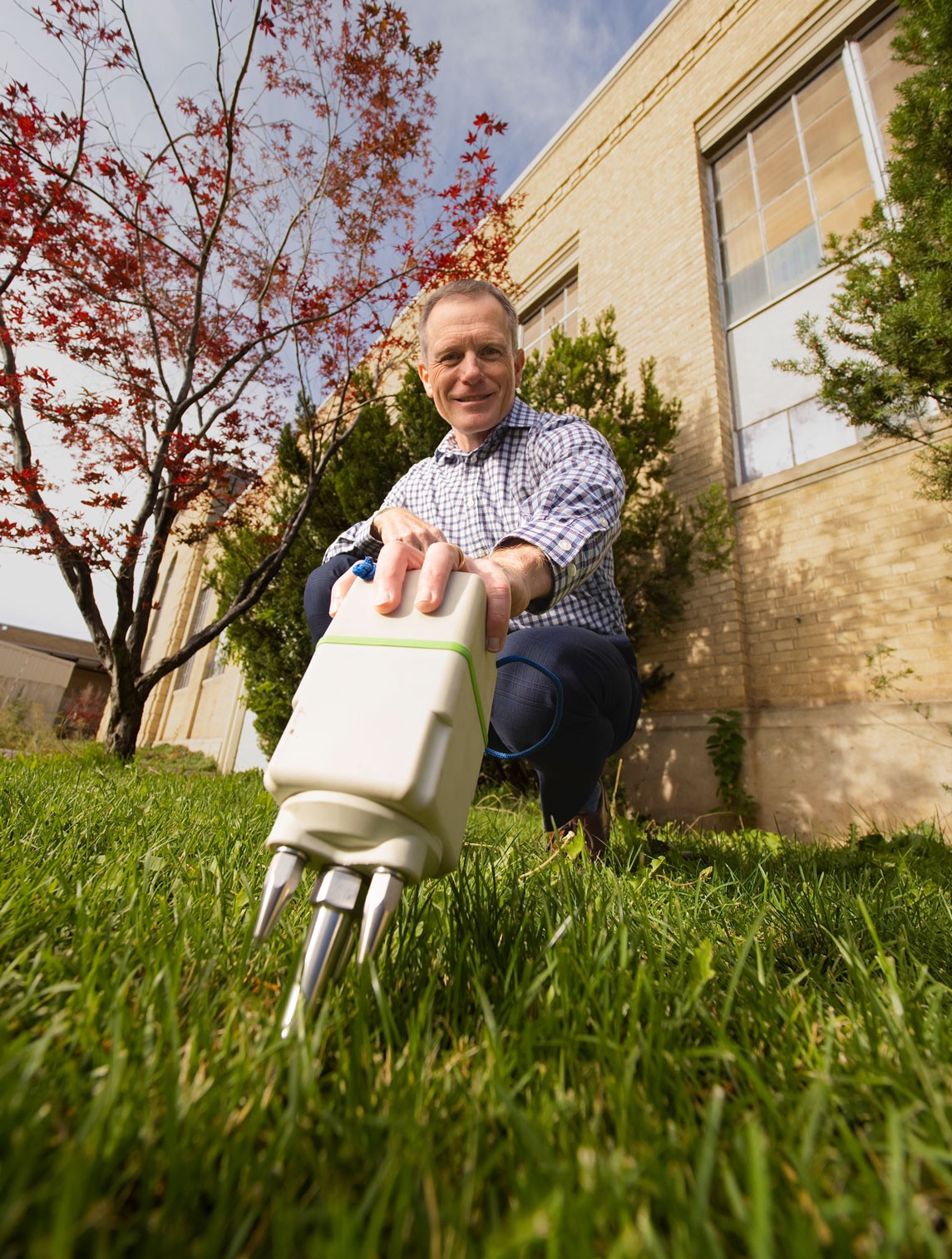
Utah State Professor Brady Cox has been selected to join the executive committee of the Geotechnical Extreme Events Reconnaissance Association as part of a collaborative research proposal funded by the National Science Foundation.
Data generated from earthquakes can quickly start to disappear as cleanup begins. Facing environmental volatility, a Utah State University professor is employing new tactics to preserve data and develop more robust infrastructure in Utah and around the world.
Brady Cox, a geotechnical engineering professor, has been selected to join the executive committee for the Geotechnical Extreme Events Reconnaissance Association, known as GEER. The appointment, spanning from Oct. 1, 2026, to Sept. 30, 2031, is part of a collaborative research proposal to collect and archive AI-ready perishable data with funding from the National Science Foundation.
Established in 1999, GEER captures critical observations to advance post-event reconnaissance, the collection of data in the aftermath of earthquakes, and share these findings with U.S. and international organizations.
Returning to his home state in 2020, Cox came to USU with the ambition to use his global geotechnical experience to address the looming threat of earthquakes in Utah.
“About 80 percent of Utah's population lives within 15 miles of the Wasatch fault, which has the potential to produce earthquakes at least as large as a magnitude seven,” he said.
The state also has around 140,000 unreinforced masonry buildings prone to damage and collapsing. Many of these structures exist on K-12 school campuses.
Considering Utah’s seismic hazards, Cox founded and now directs the Utah Earthquake Engineering Research Center, or UEEC. Here, researchers conduct studies to encourage the retrofitting and replacement of the state’s infrastructure.
This includes the robust design of nuclear energy power plants. Cox has advised on these facilities around the world, from Poland to South Africa and all over the U.S. He hopes the UEEC will be involved in Utah’s design for nuclear power plants and contribute to other projects that benefit citizens.
“Utah has legitimate seismic hazards and we have to address those when we're designing anything,” Cox said. “It's important that these reconnaissance teams are out there looking for important lessons that we can bring back to the U.S. and incorporate into our building codes and construction practices.”
In his new role, Cox will conduct reconnaissance using laser scanners to collect millions of data points that will be archived in a format that AI can interpret. These AI algorithms can be trained by researchers to recognize patterns and understand how extreme events affect soil and infrastructure.
“Every new earthquake reveals different lessons,” Cox said. “We don't want earthquakes to happen, but when they do, we need to take advantage of what we can learn from them.”
WRITER
Libbie Anderson
Public Relations Specialist
College of Engineering
435-797-8361
libbie.anderson@usu.edu
CONTACT
Brady Cox
Professor
Civil & Environmental Engineering Department
435-797-0992
brady.cox@usu.edu
SHARE
Comments and questions regarding this article may be directed to the contact person listed on this page.