USU Launches First for-Credit Community Justice Advocates in Housing Course in U.S.
More than $183,000 in grants from the Utah Bar Foundation and Wells Fargo, along with new USU investments, will prepare helping professionals to provide free legal support

An apartment building in Logan, Utah.

LOGAN — As Utah prepares to consolidate roughly 88,000 debt collection and eviction cases into a new statewide court division next year, Utah State University's Transforming Communities Institute is expanding its Community Justice Advocate program to help residents navigate housing and debt-related legal challenges.
According to Utah State Courts data, 96% of eviction cases and 98% of debt collection cases involve a self-represented defendant, while nearly all landlords and debt collectors have lawyers.
Thanks to an amended order from the Utah Supreme Court, TCI may now train and certify helping professionals, such as social workers, to provide free, limited-scope legal help to Utahns in landlord/tenant housing matters, including explaining legal processes, helping complete court forms, giving legal advice, negotiating on a client’s behalf, and assisting clients in court.
In March 2025, TCI was authorized by the court to deliver training in debt-related legal challenges. Utah-licensed attorneys work with TCI to provide ongoing mentorship and support.
Most CJAs already work as case managers, therapists, housing coordinators, and other staff embedded in human service agencies that address challenges related to housing and financial insecurity, domestic violence, and health, among others. That lets clients get legal help alongside the services they are already receiving, both in person and virtually across the state.
“Housing and debt problems rarely arrive alone. A family behind on rent is often behind on a medical bill or a credit card, too,” said faculty attorney Nathanael Player, assistant professor of professional practice in USU’s Department of Social Work and director of the CJA program. “The CJAs I mentor are often asking me about housing issues, so allowing CJAs to help in both areas is a natural evolution for our program.”
A recent $148,000 grant from the Utah Bar Foundation, which initially helped seed the CJA pilot, will expand dedicated CJA services: paid advocate hours that reach Utahns who are not already connected to an agency with a CJA on staff. Working alongside Nonprofit Legal Services of Utah and other community partners, CJAs will take referrals from social services, legal aid organizations, and the Utah State Courts’ Self-Help Center, as well as requests for services directly from individuals needing support.
USU has also invested significantly in the program. The Department of Social Work and College of Arts and Sciences hired Player as the faculty attorney in summer 2026 to direct the CJA program, teach its courses, and mentor advocates. He brings more than 15 years of legal experience, including early work in eviction defense and seven years directing the Utah State Courts’ Self-Help Center, which gives free legal help to Utahns representing themselves. This semester, Player launched the for-credit Debt Navigation elective, the first of its kind in the country. The course lets USU students earn CJA certification as part of their degree while learning alongside professionals in the field.
Recently, Wells Fargo awarded TCI a $35,000 grant to help create a field & outreach coordinator position to lead the new CJA Corps. With additional funding from USU and the Utah Bar Foundation, Emily Hale was hired, bringing a background in field education, advocacy, and bridging the legal gaps Utahns face.
As coordinator, Hale will recruit and support host agencies, match trainees and certified CJAs with field placements and service opportunities across the state, track service hours and outcomes, and coordinate frontline help for defendants in the new court division.
In its first year, TCI certified 16 CJAs in Debt Navigation collection. From August 2025 through July 2026, 23 certified and provisionally certified CJAs served 231 clients and delivered 591 free legal services in various agencies. Sixty-three percent of clients were helped before a lawsuit was filed, when more options to resolve a problem are still on the table. Debt and housing issues often overlapped: among clients who shared demographic information, their median income was $25,000, half were renters, and 38% had experienced homelessness.
Now Enrolling: Community Justice Advocacy Housing Course
The 16-week housing course begins the week of Jan. 11, 2027. The class is offered via Zoom, is available statewide, and is open to current USU students and existing helping professionals in Utah who either:
- Have a Bachelor of Social Work (BSW) or higher,
- Have a social service worker (SSW) license, or
- Have at least six months of professional experience in case management or social services and are currently engaged in that work.
The non-credit class is free to those who qualify. Participants who complete the course, handle cases, and pass the exam will earn certification as a CJA in housing. Applications are due by Jan. 4, 2027.
The CJA Debt Navigation course also starts the week of Jan. 11, 2027, is available statewide via Zoom, and is offered as both for-credit and non-credit courses with the same criteria.
Apply online for both courses at www.cja.usu.edu.
For more information about the CJA program, visit www.cja.usu.edu or contact Nathanael Player at nathanael.player@usu.edu.
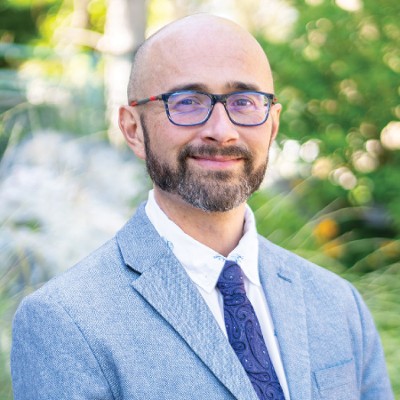
Nathanael Player, assistant professor of professional practice in USU's Department of Social Work and director of the CJA program.
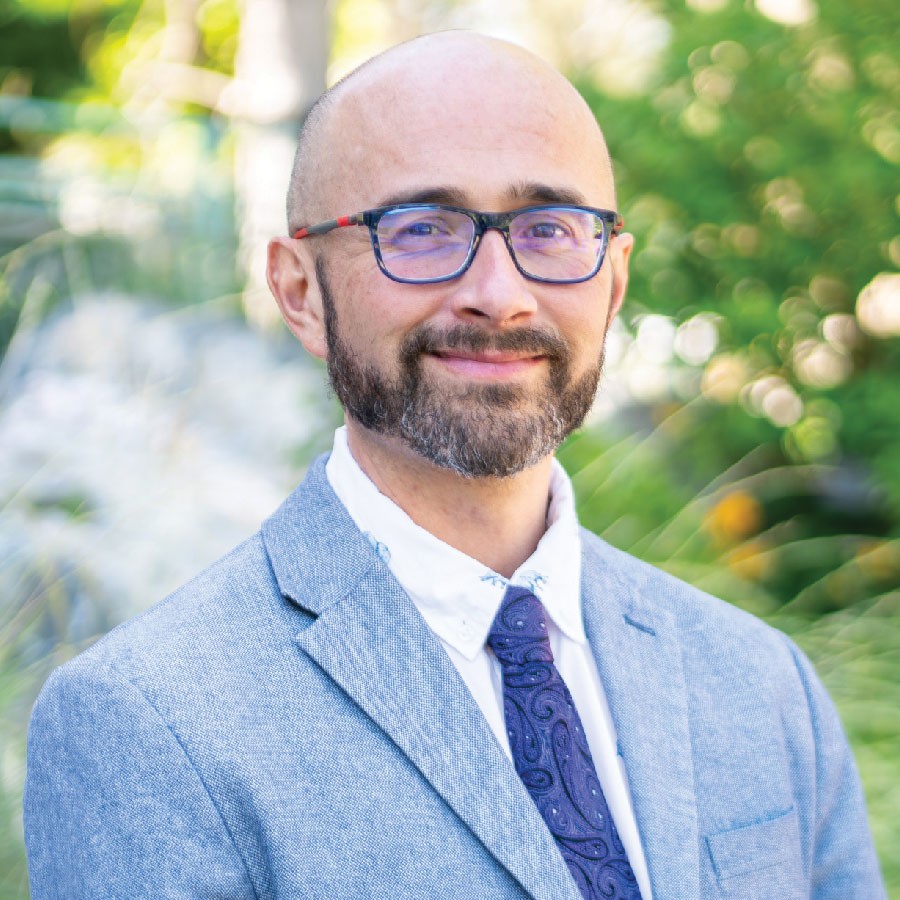

Emily Hale is the field and outreach coordinator for the Community Justice Advocate program in the Transforming Communities Institute.

CONTACT
Nathanael Player
Assistant Professor of Professional Practice
Community Justice Advocate Program
nathanael.player@usu.edu
TOPICS
Society 619storiesSHARE
Comments and questions regarding this article may be directed to the contact person listed on this page.