USU Moab Provides Local Bilingual Residents With Free Medical Interpreter Training
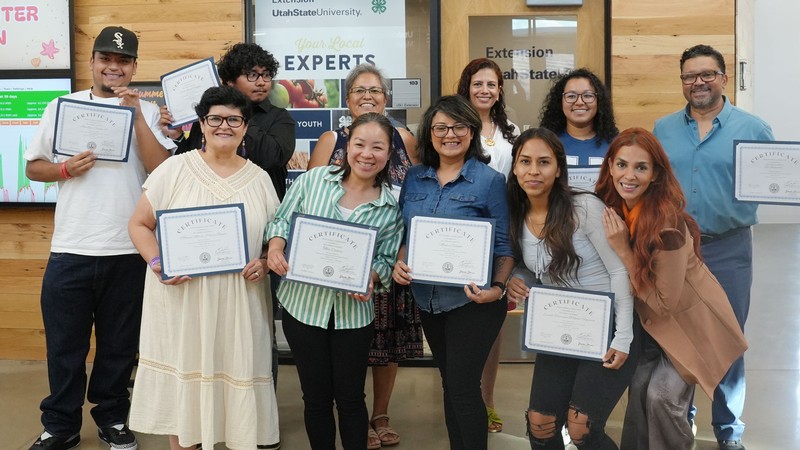
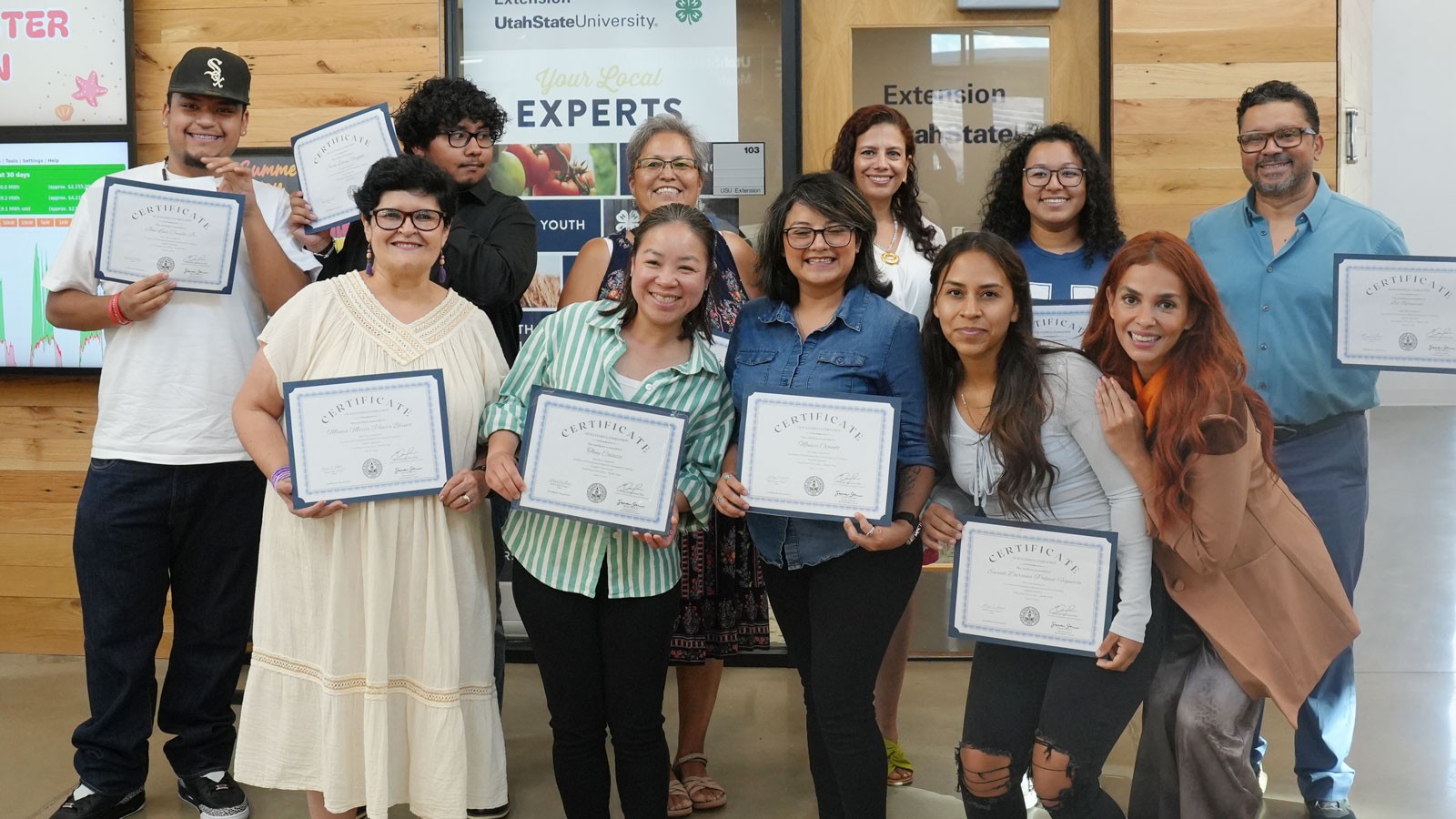
MOAB, Utah — Utah State University Moab successfully completed an intensive 40-hour Community Medical Interpreter Training program over the summer, equipping 18 local bilingual residents with critical skills to expand healthcare access and clear communication across Grand County.
The training was developed through a collaboration between Utah State University Extension and the Department of World Languages and Cultures at Utah State University. The initiative is part of a broader effort led by the Translation & Interpretation Studies program to expand access to qualified language professionals in rural and underserved communities across Utah while creating pathways for bilingual residents to enter high-demand careers in healthcare interpreting.
The program addresses a gap in rural health infrastructure by offering local, high-level instruction at no cost to participants. The course eliminated travel and financial barriers for rural residents. Graduates represented four languages — Navajo, Spanish, Vietnamese, and Korean — and spanned professionals working in education, community services, and healthcare and pharmacy, alongside individuals looking to advance their careers.
The curriculum was designed and overseen by Elsa Perez, assistant professor and co-director of translation & interpretation studies at USU, and delivered by Maria Jose Velasco, assistant professor with USU Extension. Perez created specialized training for each language.
"Medical interpreters play a critical role in reducing communication barriers and improving patient outcomes," Perez said. "By bringing professional interpreter training directly to rural communities, we are helping build a local workforce that can support equitable access to healthcare while creating meaningful professional opportunities for bilingual residents."
For community member Irene Thompson, the course had value beyond interpreting alone.
"This course was a great opportunity to learn specialized vocabulary and techniques to improve my interpretation for parents at school. It also equipped me to teach my ESL students the health terminology they need, making it a strong addition to my resume," she said.
The training included five instructional days each week, culminating with a graduation ceremony on July 23 attended by city and county officials. These newly trained interpreters will be ready to support local institutions, including Moab Regional Hospital, the Moab Free Health Clinic, San Juan Health, pharmacies, and area schools.
"The energy throughout the class was amazing, and participants remained highly motivated despite the demanding schedule,” said Beatriz Jarvis, Extension home and community program coordinator.
The program also reflects ongoing efforts by Utah State University to strengthen Utah's language-access infrastructure. Through interpreter education, community partnerships, and multilingual workforce development initiatives, the Translation & Interpretation Studies program is working to increase the availability of trained interpreters throughout the state, particularly in rural areas where language services are often limited.
Student Mariany Valero said she's not stopping here: “This course is just the first step in my journey. My goal is to earn the national certification so I can continue helping communities in critical need. Having the opportunity to take this course for free allows me to continue my education and move closer to that goal. This is a meaningful investment in us and our communities, and I am truly grateful for the opportunity.”
CONTACT
Beatriz Jarvis
CUBE Program Coordinator
Utah State University Extension
beatriz.jarvis@usu.edu
SHARE
Comments and questions regarding this article may be directed to the contact person listed on this page.