
Belonging Teams
Research is clear that not all Utahns have the same challenges and opportunities. In A Bolder Way Forward (BWF), recognizing differences among girls, women, and families helps guide shared goals and actions. In the framework, there are five identity-focused teams: 50+ Thriving, Disabilities, Interfaith, LGBTQ+, and Race & Ethnicity. These “Belonging Teams” exist to ensure that inclusion, belonging, and differences among women and girls in Utah remain top of mind in all areas of the BWF. Visit the resource library to find kits on many topics, and see the box below for a list of statewide research, research-based resources, and community organizations to support belonging efforts for each team.
50+ Thriving
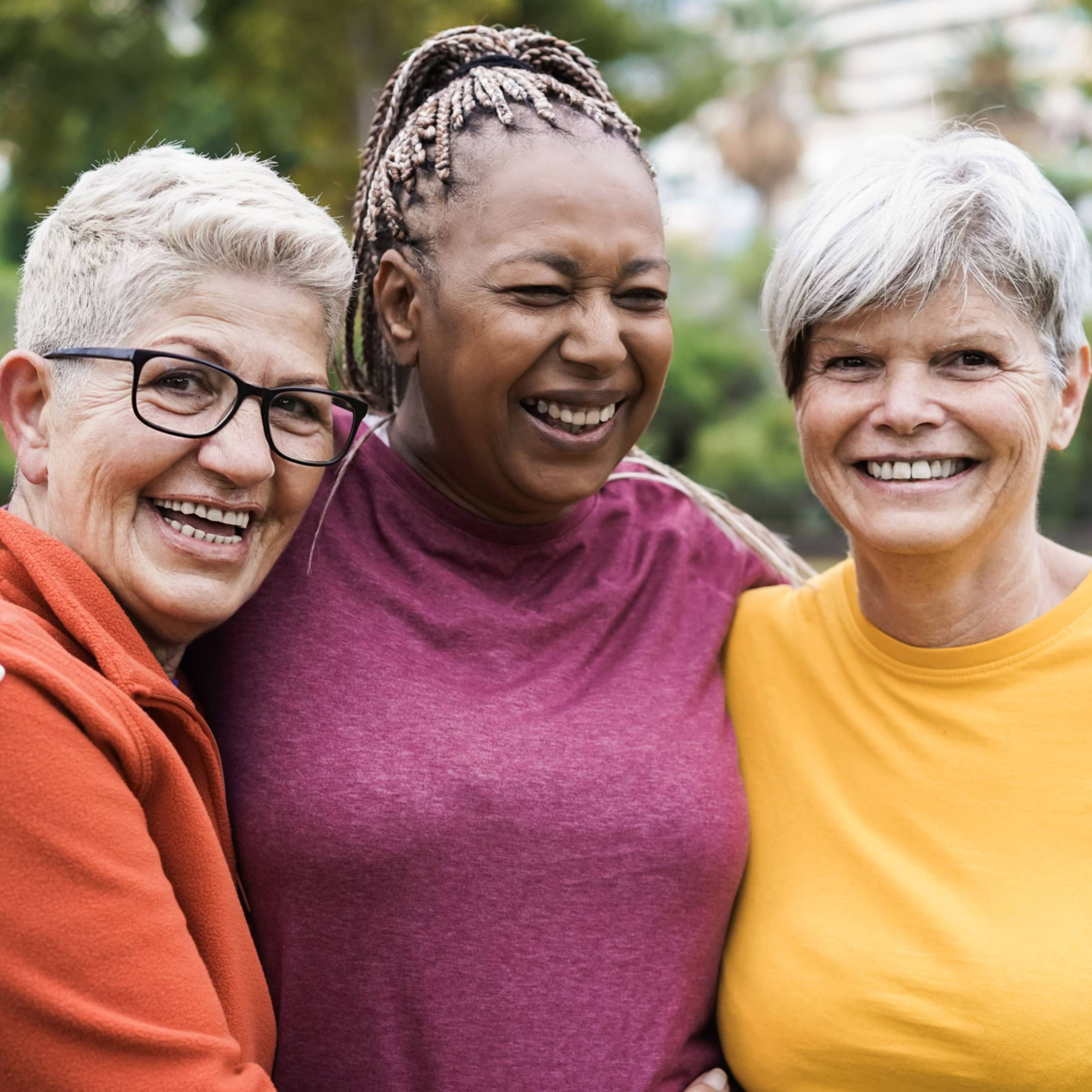
The 50+ Thriving Belonging Team works to support the BWF by ensuring that age is considered in all aspects of the movement. They also ensure that women 50 and older know about the research, resources, tools, and opportunities available so they can learn, grow, and thrive as they age (most are applicable to men as well). Women in Utah who are 50 and older thrive when they are empowered to fully contribute, belong, and express every aspect of who they are. This vision is realized through fair access to resources and supports that nurture health, safety, community connection, and holistic well-being across physical, mental, emotional, spiritual, financial, and intellectual dimensions.
Advisors:
-
Kathie Debenham (Community Advocate)
-
KoShell Burnham (Community Advocate)
-
Gigi Ballif Arrington (Community Advocate)
Disabilities
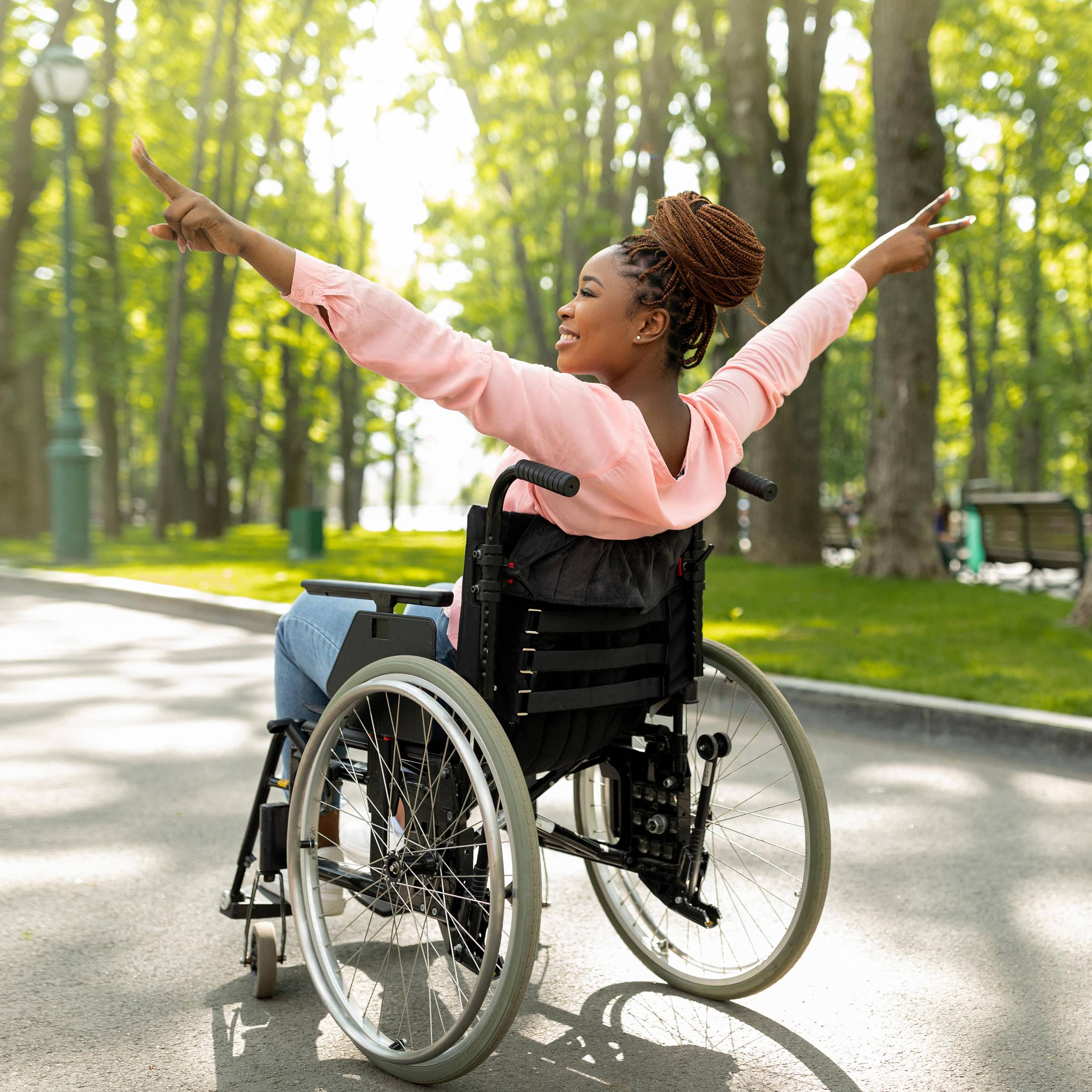
The Disabilities Belonging Team works to support the BWF by ensuring women with disabilities—including physical, sensory, intellectual, developmental, mental health disabilities, and neurodivergent identities—are respected, have equity and access to their communities, are informed to make choices, can practice self-determination, and are recognized as valued members of society. The challenges Utah women and girls face disproportionately affect those with disabilities of all kinds. Nationwide, an estimated 1.3 billion people experience significant disability. According to the CDC, 27% of Utah’s adults have a disability—nearly 1 in 4 people. This includes individuals who identify as neurodivergent, such as those with autism, ADHD, learning differences, and other cognitive variations that shape how people experience the world. It is critical, when addressing the 18 areas of focus (spokes) in BWF, that we do not overlook the populations in our communities who are hit hardest. Educators, employers, and all Utahns must better understand and promote universally designed environments that honor diverse bodies, minds, and ways of being.
Advisors & Researchers:
-
Andrea Bradford (Secretary, North Salt Lake)
-
Kim Belliston (Co-Chair, Disability:IN Utah)
- Matthew Wappett (Executive Director, USU Institute for Disability Research, Policy & Practice)
-
Aubrey Snyder (Program Coordinator, USU IDRPP)
- Alex Schiwal (Researcher, USU IDRPP)
- Kelie Hess (Program Coordinator, USU IDRPP)
Interfaith
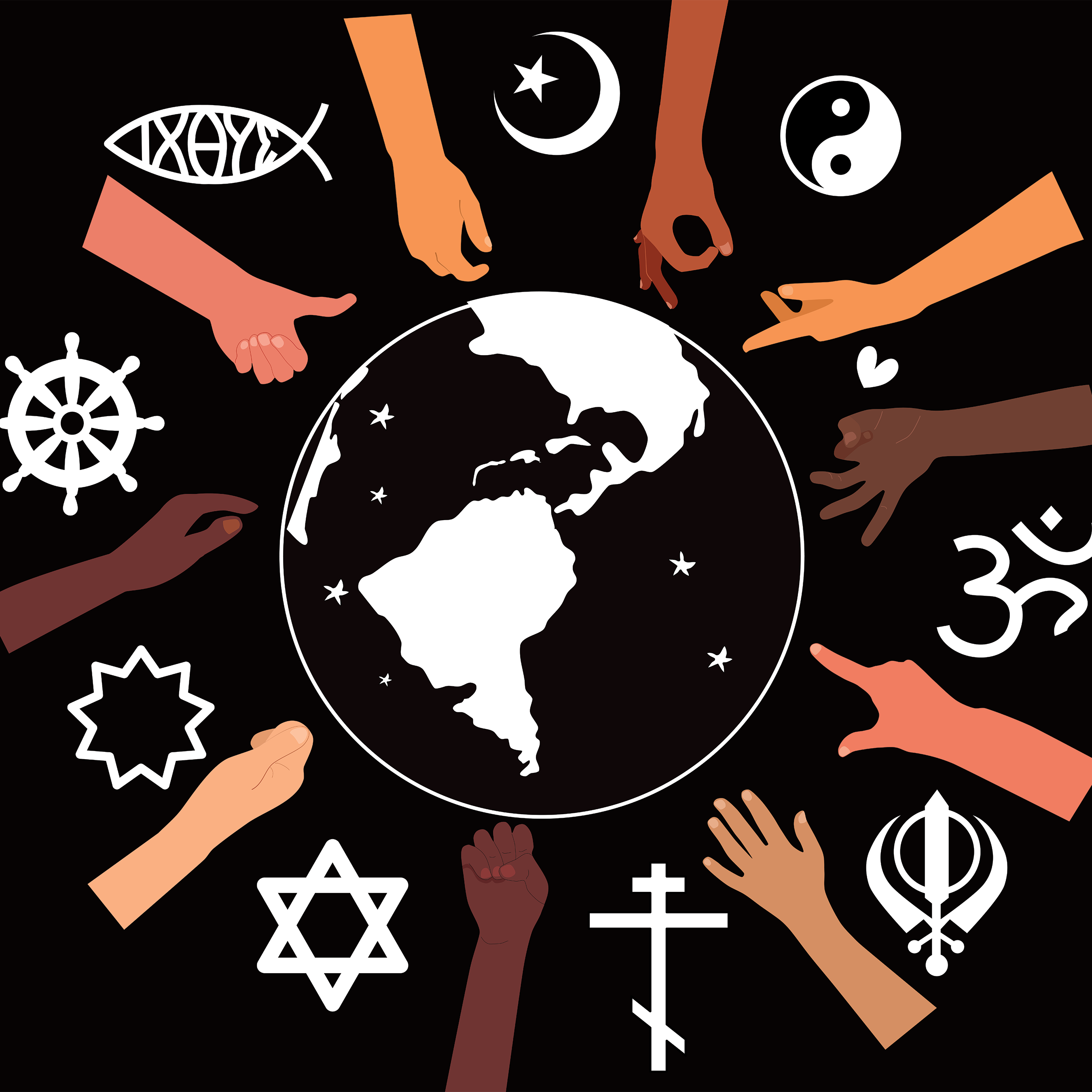
Women, girls, and their families thrive when they are empowered to bring their faith, values, and deepest commitments to do the difficult and powerful work of justice and peacebuilding in their communities. Ensuring that every woman's beliefs (religious or otherwise) are considered is important to her identity. Faith plays a pivotal role in shaping women's identities, whether through active participation in religious communities, personal spiritual practices, or deeply held values. As Utah women navigate the complexities of issues within their families and communities, we honor the diverse wisdom they offer and welcome the hope they bring. By fostering understanding amidst various perspectives through mutual learning and dialogue, we can support women of all faiths or beliefs. This Belonging Team works to collect research and develop resources that will help Utah women thrive in their faith communities and/or within their own spiritual journeys.
Advisors & Researchers:
-
Holly Burton (Research Associate)
-
Laura Cope (Research Assistant)
LGBTQ+
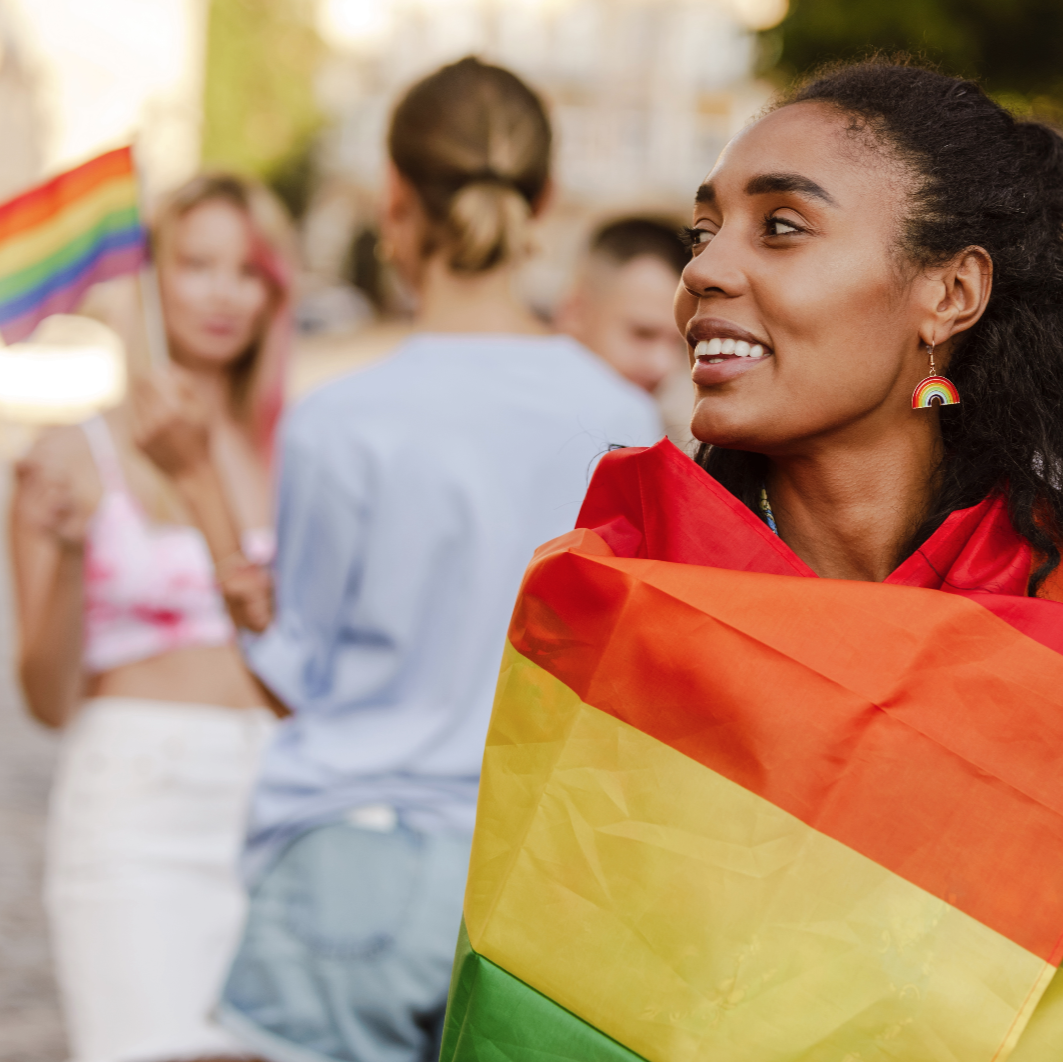
LGBTQ+ Utahns who identify as girls and women thrive when accepted for who they are and when included in conversations that impact safety, security, health, and wellbeing. Additionally, all Utahns jointly thrive when LGBTQ+ members of our communities are included and encouraged to contribute to dialogue and decisions collectively and cooperatively. This Belonging Team works to ensure that LGBTQ+ Utahns who identify as girls and women are considered, included and represented in all aspects of society. The work includes providing resources and terminology to foster unbiased understanding, using and disaggregating data to identify discrimination, and assisting with the development of inclusive initiatives to challenge disparities.
Advisors:
- Anne Arendt (Organizer, Utah Valley University)
- Mimi Marrero (Flourish Therapy)
Race & Ethnicity
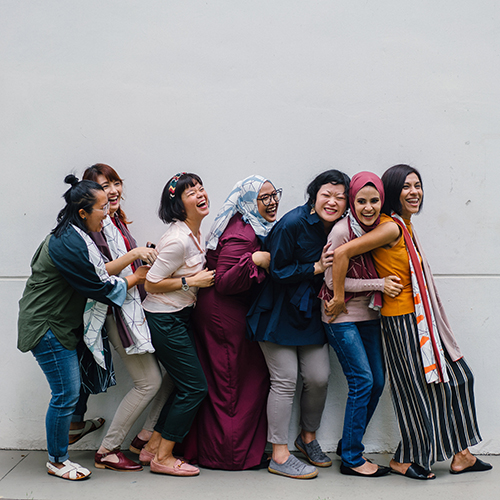
In our multi-demographic world, we all thrive when we embrace the perspectives, lived experiences, and intersectionality of our shared humanity. According to extensive research, the challenges Utah women and girls face disproportionately affect women and girls from historically marginalized communities, including racial and ethnic minorities as well as refugee and immigrant populations. For example, Utah’s minority communities are more likely to experience higher poverty rates, lower educational attainment, and higher housing cost burdens. Utah has a long history of welcoming refugees and immigrants, with women playing a pivotal role in the state’s cultural, social, and economic landscape. Through various types of quantitative and qualitative research, understanding the demographics, challenges, and contributions of these women is essential to fostering inclusive and supportive communities. This Belonging Team works to intentionally support research efforts and bring diverse voices to the table representing all racial and ethnic groups, including refugees and immigrants.
Advisors:
- Michelle Mooney (Impact Manager, Salt Lake City)
- Ze Min Xiao (CEO, Center for Economic Opportunity & Belonging)
- Andrea Schmutz (Founder, Empowering Immigrant Women)
Disabilities:
Interfaith:
LGBTQ+:
Race & Ethnicity: