
Cohort 11 (Fall 2026)
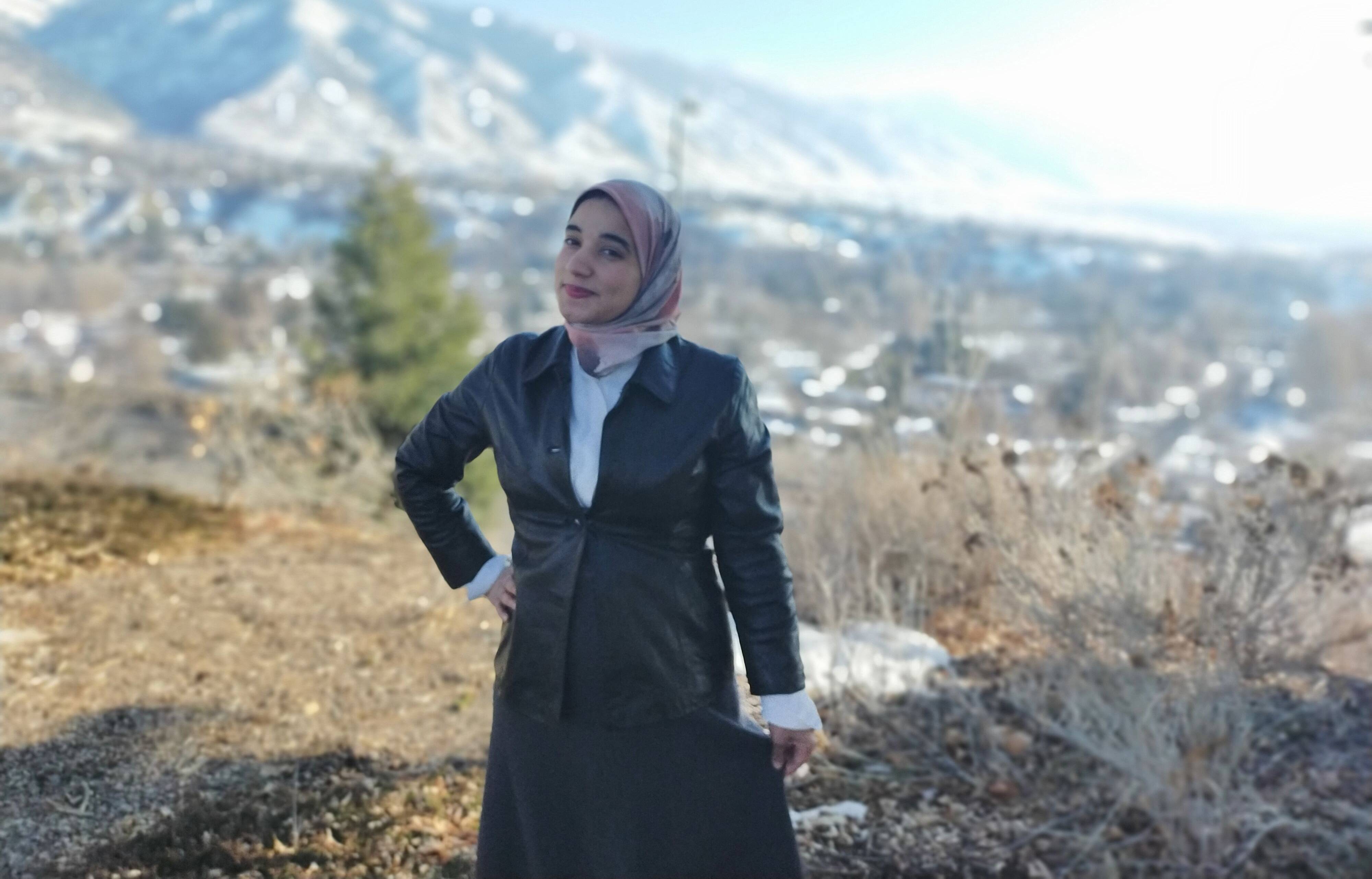
Building on her background in plant sciences, Fnu’s research explores how the chemical and nutritional diversity of crops can influence the health of humans, animals, and the environment. Her doctoral work focuses on plant–animal interactions, particularly how pasture composition—comparing monocultures with diverse polycultures enriched with legumes and forbs—affects the health, metabolism, and development of mother cows and their calves.
Her broader research interests center on connecting One Health principles with regenerative agriculture. She is especially interested in translating scientific findings into practical benefits for farmers and food systems. Fnu is also involved in multiple projects evaluating the nutritional and phytochemical quality of crops grown under different farming systems, as well as Indigenous crops and underutilized, exotic fruits and vegetables.
Through her work, she aims to contribute to more resilient agricultural systems that support environmental sustainability, animal health, human nutrition, and farming communities.

Cohort 10 (Fall 2025)
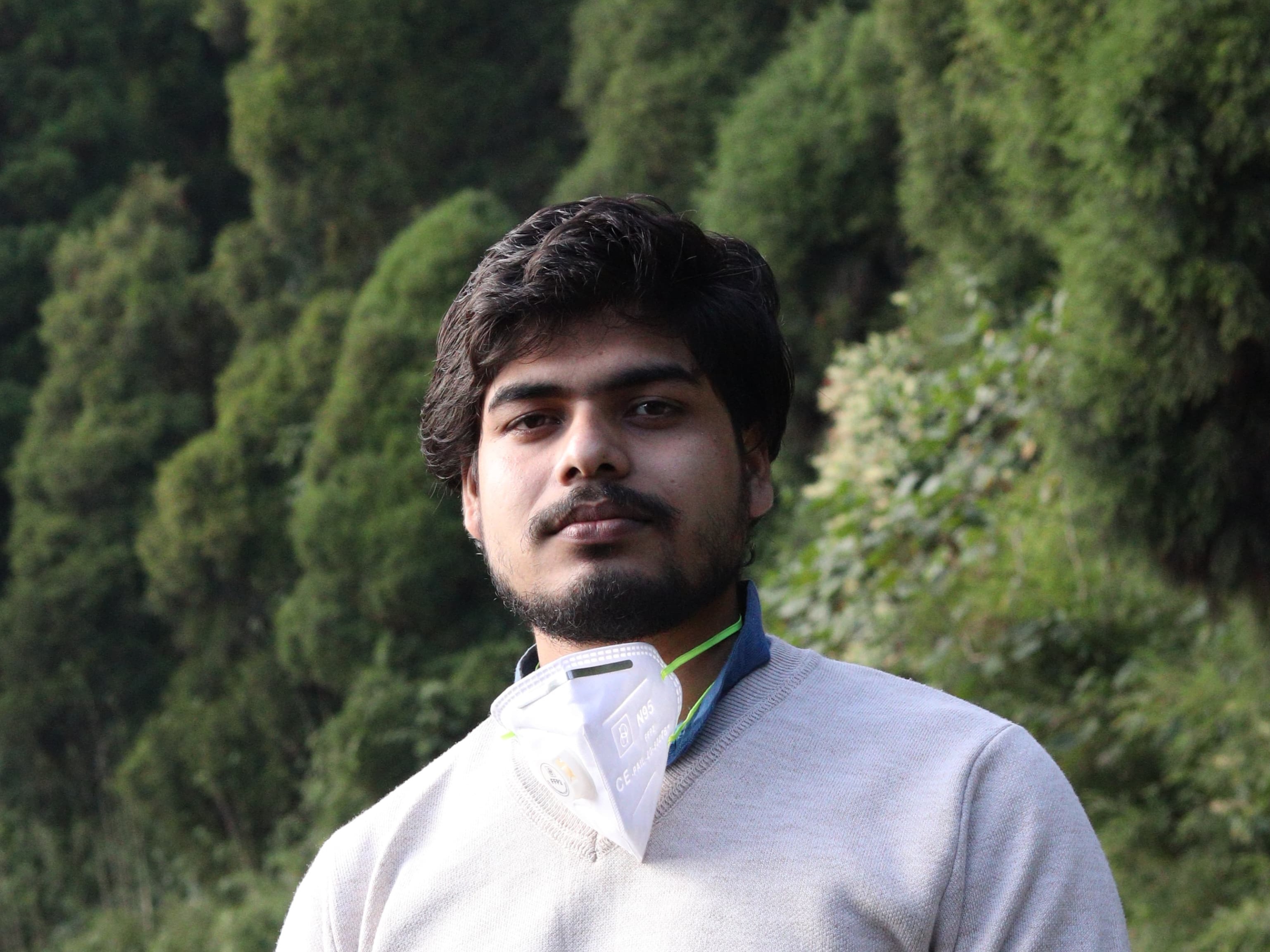
Civil & Environmental Engineering Hayden Barry is currently pursuing a Master’s degree in Civil and Environmental Engineering, under the mentorship of Dr. Burdette Barker. He holds a Bachelor’s degree in Mechanical Engineering, and his research is centered on sprinkler uniformity and efficiency. This work is part of a USDA-funded study examining wheel line irrigation techniques in the Intermountain West. As a participant in the CAS program, Hayden is passionate about exploring how local communities can contribute to both climate change adaptation and mitigation strategies. His research team aims to deepen the understanding of climate change's localized impacts in Cache Valley. By engaging local stakeholders and political leaders, they hope to raise awareness of potential challenges and develop actionable solutions for the region.


Biology Beatriz is a PhD student in Biology and Ecology at Utah State University, advised by Dr. Noelle Beckman. Her research focuses on how multiple direct global change drivers shape the functional composition and resilience of the Amazon Rainforest. She holds a master’s degree from the University of Campinas (São Paulo, Brazil), where she contributed to the AmazonFACE project by surveying species within the experimental area that provide food, medicine, and raw materials, and by studying how climate change may alter their distributions. Beatriz’s overarching goal is to bridge ecological modeling with socio-environmental frameworks, supporting local communities and decision makers in sustaining millennial cultures and traditions under increasing anthropogenic pressures. Through the CAS cohort, she is expanding her skills in transdisciplinary collaboration and learning how to better connect climate science with the needs and concerns of local populations.


Cohort 9 (Fall 2024)


Cohort 8 (Fall 2023)

Cohort 7 (Fall 2022)
Civil & Environmental Engineering (he/him/his) I’m a PhD student in the Civil and Environmental Engineering Department at USU. I’m working with Dr. David Tarboton on performing large-scale hydrological modeling to evaluate the impacts of ongoing global warming and climate change on streamflow generation in the Western United States. The impact of major land disturbances such as land use change will also be addressed. The project involves using physical process-based hydrological models such as the Regional Hydro-Ecological Simulation System (RHESSys) over large study areas such as the Great Salt Lake basin.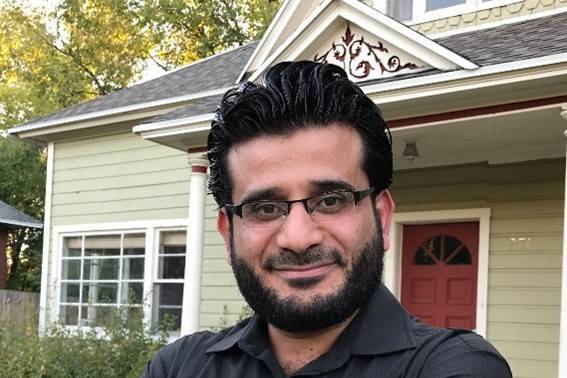
MS Environment Science & Geography 2024
Cohort 6 (Fall 2020)
Biology (she/her/hers) I graduated from Grinnell College in 2019 with a B.A. in Biology and a concentration in Environmental Studies. From there I went to work in Dr. Sarah Evans and Dr. Nick Haddad’s labs at Michigan State University's Kellogg Biological Station, where I worked on projects that broadly focused on soil microbial ecology, plant/microbe interactions, and agroecology. Now as a PhD student in the Biology department, I plan to investigate plant/insect/microbe interactions, and how these interactions could be used to improve agricultural sustainability. 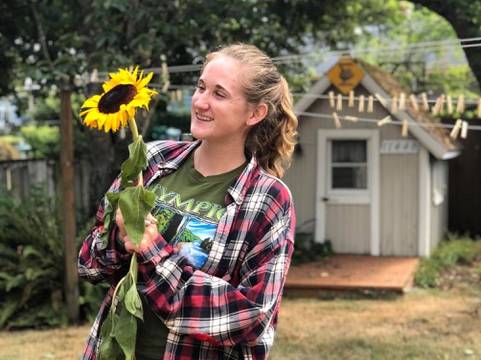
Watershed Sciences (she/her/hers) I graduated from Colorado State University with a degree in Natural Resource Management and a minor in Watershed Science. I worked in different labs that focused on the impacts of climate change on grasslands, the impacts of fire on the Poudre River and the interactions of various snow zone and ephemeral streams. My interest in aquatic ecology lead me to work with Pacific Fish Inland Fish Biological Opinion Program that covers the Columbia Watershed Basin and eventually to the Bird Conservancy of the Rockies as Habitat Biologist in the Upper Rio Grande Basin. Currently, I am pursuing a Masters of Ecology under the guidance of Trisha Atwood working in coastal wetlands of Yukon-Kuskokwim Delta. 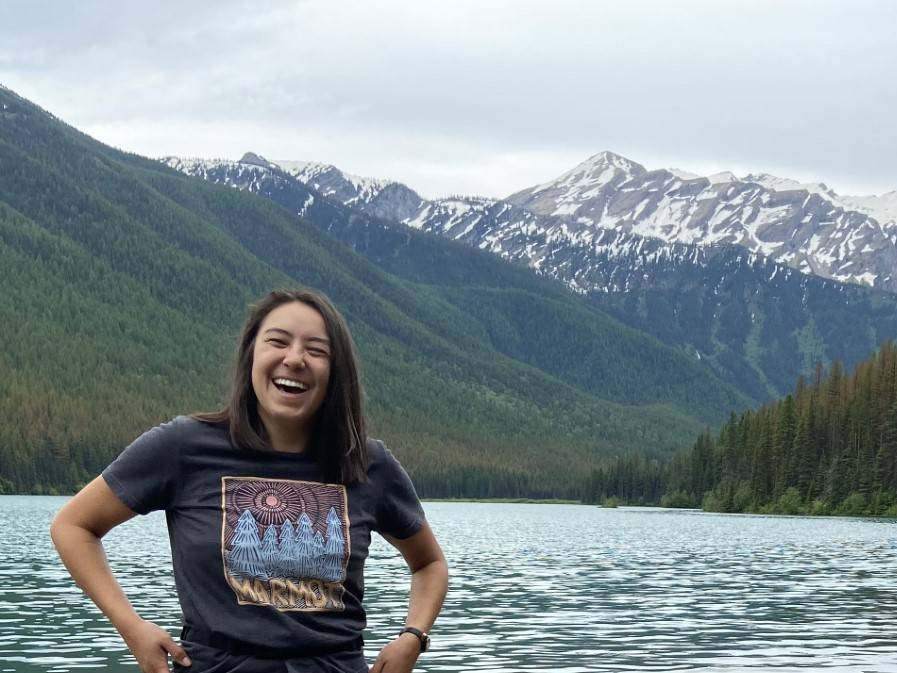
MS Ecology, 2024
Stewardship Director, Bird Conservancy of the Rockies
Environment & Society I am currently an M.S. Geography student working with Dr. Peter Howe. I graduated with a B.S. in Geography from Weber State University where I was able to complete a couple hands-on classes on limiting the carbon footprints of numerous buildings and landscapes on campus. I did undergraduate research on culture and climate change opinion and hope to continue some form of that for my thesis research. MS Geography, 2023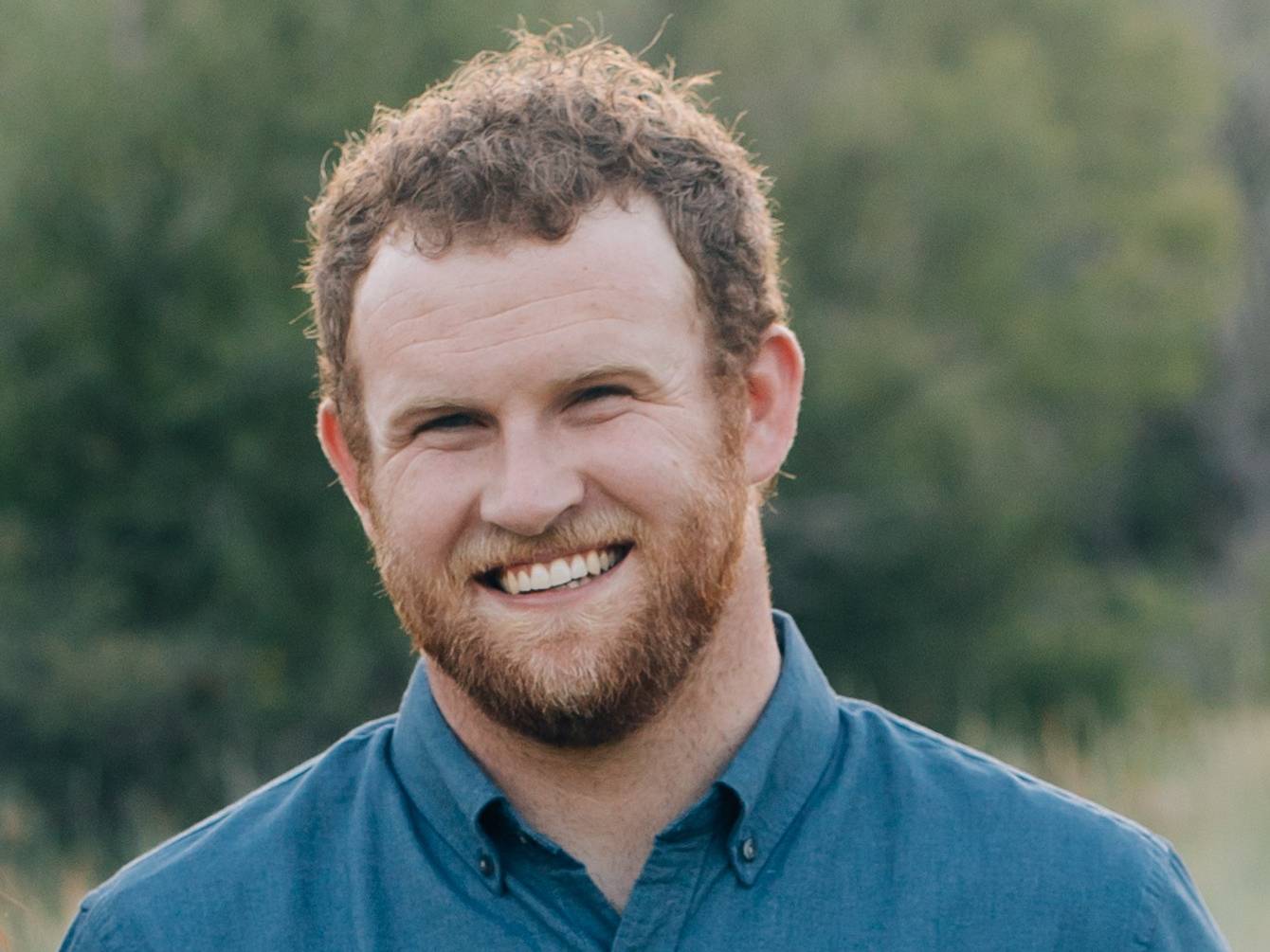
PhD student, ENVS Utah State University
Adjunct Instructor, Weber State University
Watershed Sciences (he/him/his) I graduated from the University of Michigan with a B.S. in Ecology and Environment in 2020. I am interested in the effects of both local and global stressors, such as overfishing and climate change, on marine ecosystem change and the repercussions this will have on the coastal communities that depend on these ecosystems. Currently, I am an incoming M.S. Ecology student working with Dr. Trisha Atwood looking at marine fisheries and nutrient cycling, emphasizing the amounts of carbon, nitrogen, and phosphorous being released due to global fishing practices.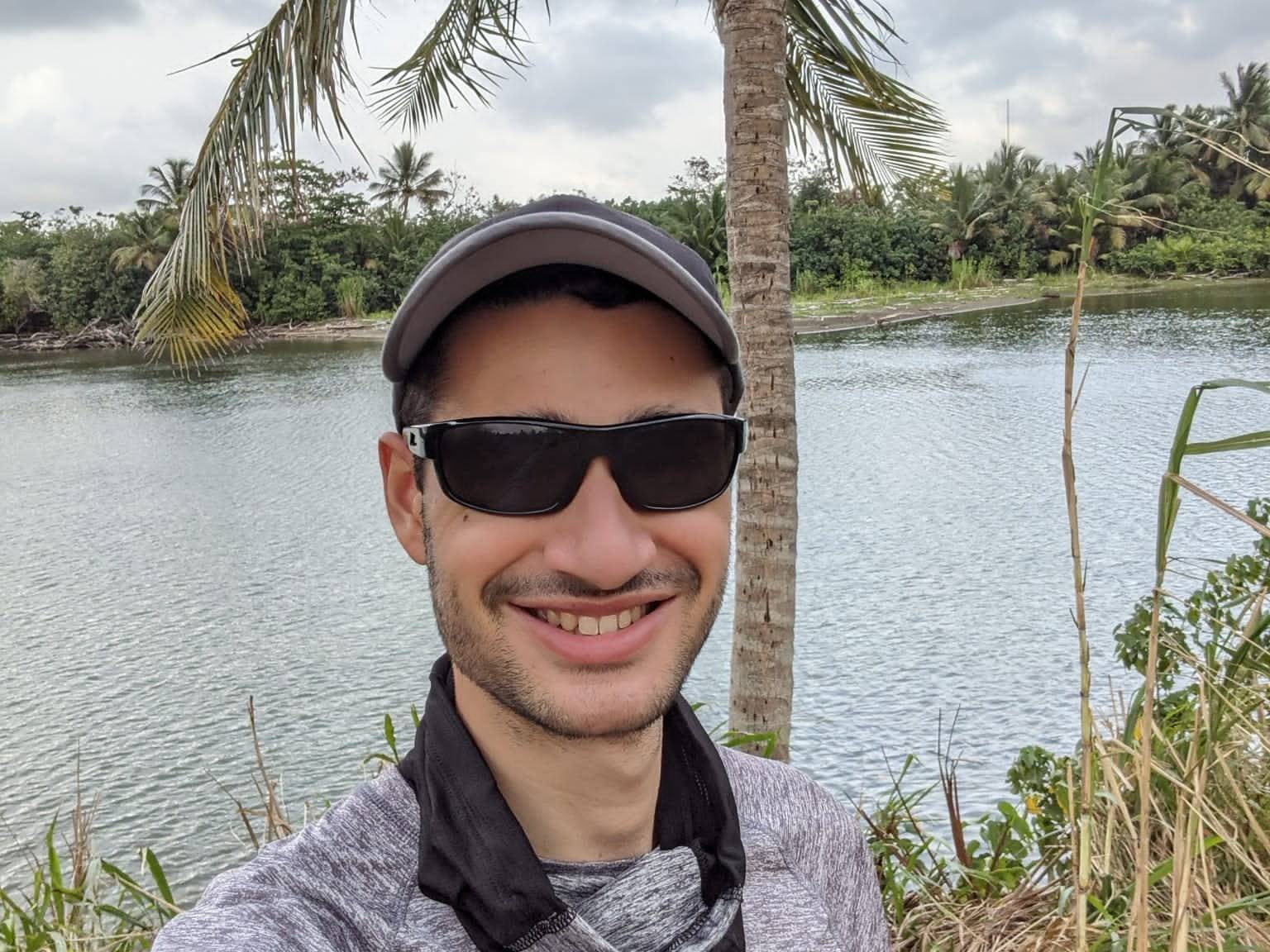
MS Ecology, 2023
PhD student, University of North Carolina Wilmington
Environment & Society (he/him/his) I am an interdisciplinary and transdisciplinary PhD student under Dr. Sarah Klain identifying and helping to activate climate-adapted food sovereignty practices with the Northwestern Band of the Shoshone Nation. I earned my BA in Middle Eastern Studies from Florida State University in 2013 with a focus on Dead Sea Scrolls apocalyptic literature. I earned my MS in Outdoor and Environmental Education from Alaska Pacific University in 2015 and my thesis work developed an educational model for teaching hope within climate change education. Professionally, I have worked for over a decade in science communication and environmental education roles, primarily within the nonprofit sector, in Utah, Alaska, Maine, New Mexico, and Florida.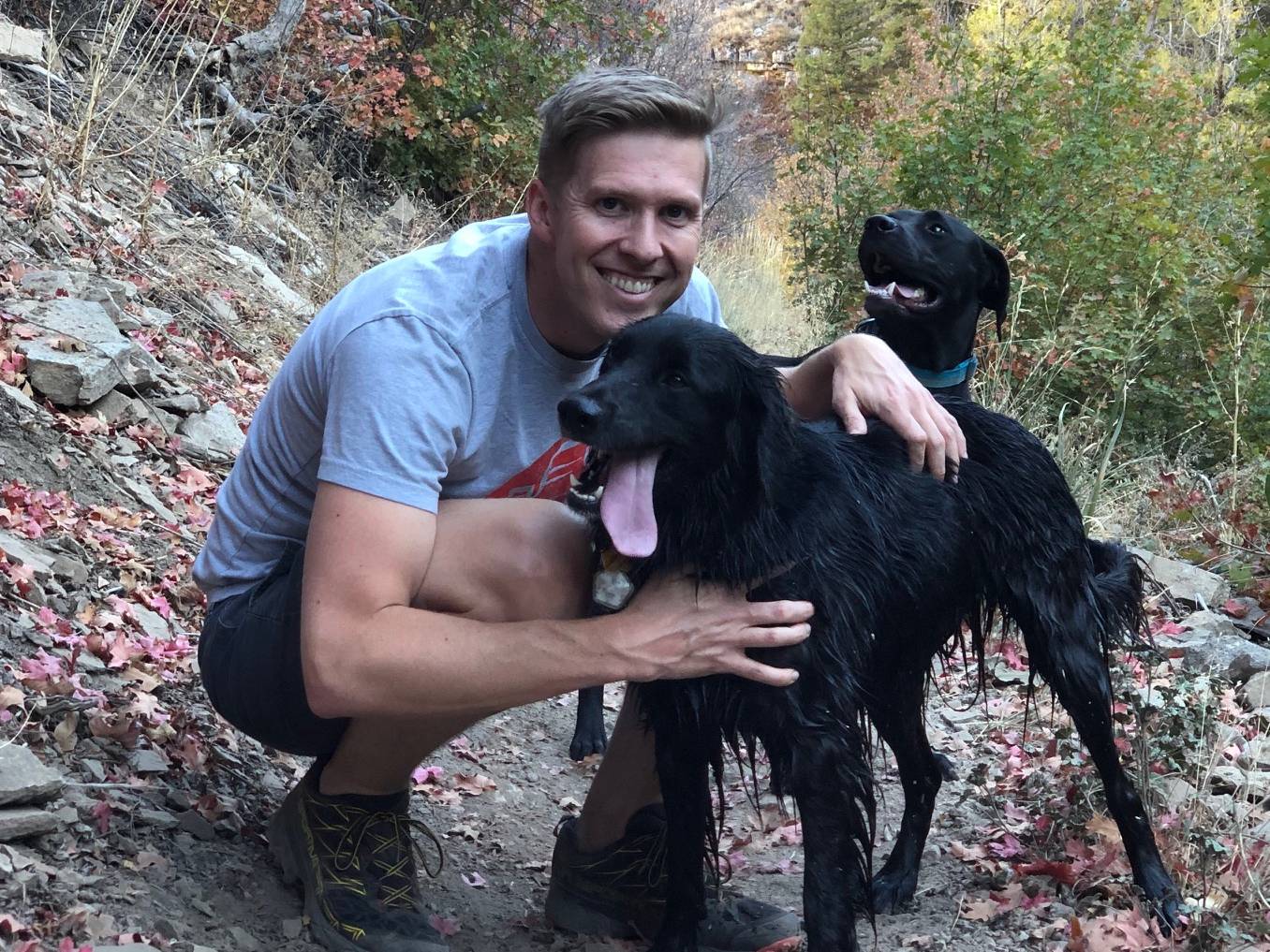
Contributing Writer, Utah Public Radio
Civil & Environmental Engineering (she/her/hers) I am a PhD student in the department of Civil & Environmental Engineering at Utah State University. My current research is focused on quantifying evapotranspiration drivers in an environment that limit the application of traditional energy and water balance approaches, by studying potential adaptation of energy balance models for vegetation using UAV and satellite information based on better understanding of evapotranspiration drivers in urban environments. I am working with Dr. Alfonso Torres and Dr. Lawrence Hipps. 
Wildland Resources (he/him/his) I have a Bachelors from University of Idaho in Ecology and Conservation Biology and MS from University of Washington in Wildlife Sciences. The complexity of natural systems has always fascinated me and my research interests revolve around species interactions and community ecology, with a focus on mammals. My dissertation research investigates how invasive wild pigs interact with native cougars and deer to develop a more complete understanding of the impacts of this rapidly spreading invasive species.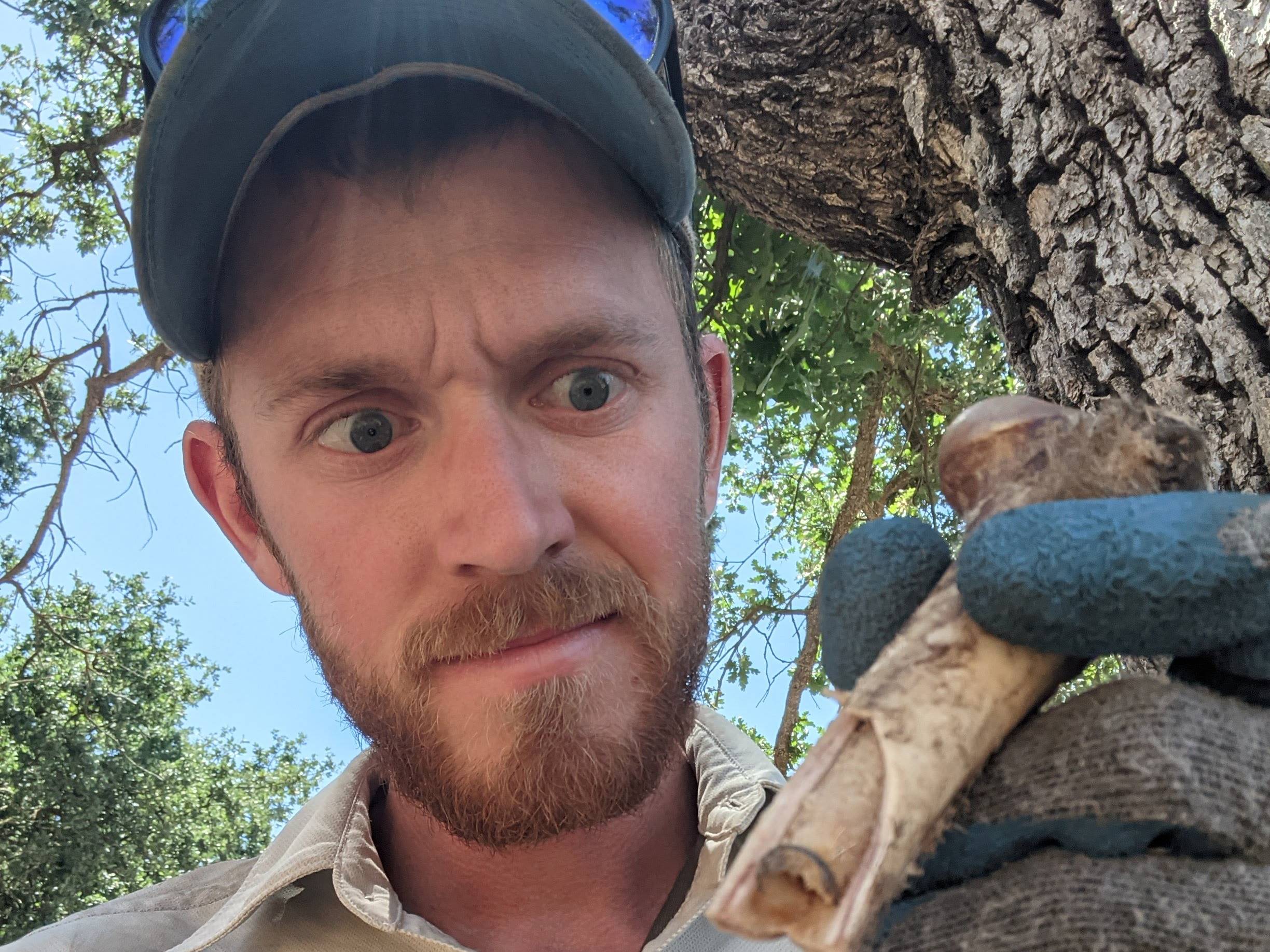
PhD Watershed Science, 2024
Biometrician, Idaho Fish and Game
Geosciences (she/her/hers) I an M.S. Geology student interested in arid and fluvial geomorphology. In 2019, I graduated with my B.S. in Geology from Northern Arizona University. There, I became interested in the relationship between climate and fluvial geomorphology. This was explored through my undergraduate research, where I aimed to simulate a watershed’s hydrology in response to climate change. I am motivated when my research applies to people, which stems from my interests in science outreach and communication. Here at Utah State University, I’m working with Dr. Joel Pederson to investigate erosion rates in arid environments and geoscience outreach. 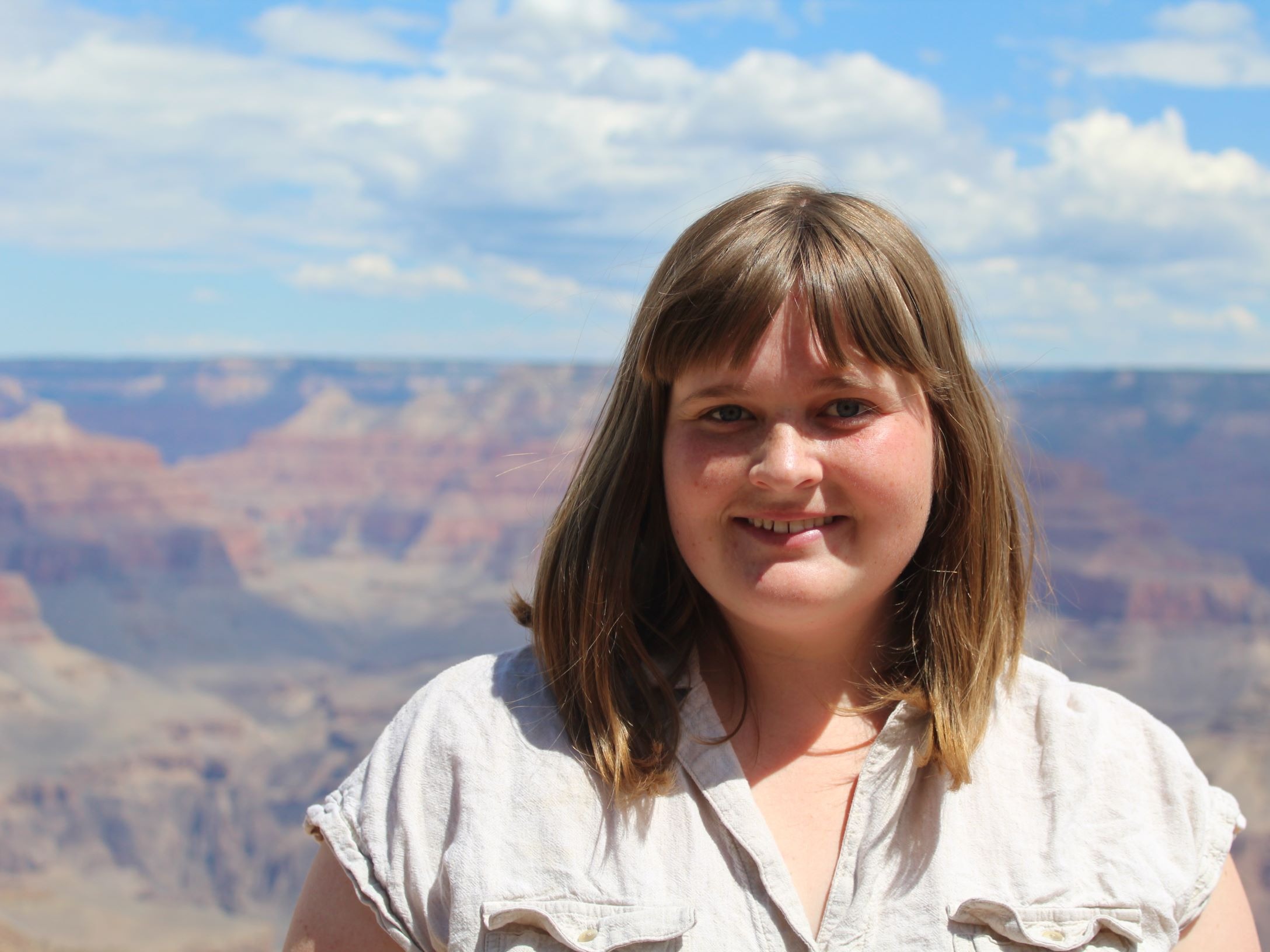
MS Geosciences, 2024
Graduate Research Assistant, USU
Biology (they/them/theirs) I earned my B.S. in Biology from Tufts University in 2018. Following graduation, I completed several fieldwork positions focused on coastal ecology, conservation, and nesting sea turtle research. I am excited to apply this experience to my PhD. research with Dr. Karen Kaphiem, where I will be studying the social behavior of sweat bees in relation to changing environmental conditions.
Watershed Sciences (she/her/hers) I received my B.A in Geosciences from Franklin & Marshall College where I found my passion for geomorphology. After graduating, I was an intern for the NASA Summer Undergraduate Program for Planetary Research where I examined periglacial alluvial fans to explore whether these fans have similar geomorphic characteristics to non-periglacial Martian fans. Following that, I worked for the U.S Geological Survey in Moab, UT as a Biological Science Technician conducting research to address the issues of global climate change, biogeochemistry, and pedogenesis. Now, I am working with Dr. Peter Wilcock in the Department of Watershed Sciences as an M.S student. My research interests include fluvial geomorphology, sediment transport, and river channel change. I strive to understand how these processes are impacted by climate change while using maps to understand these changes.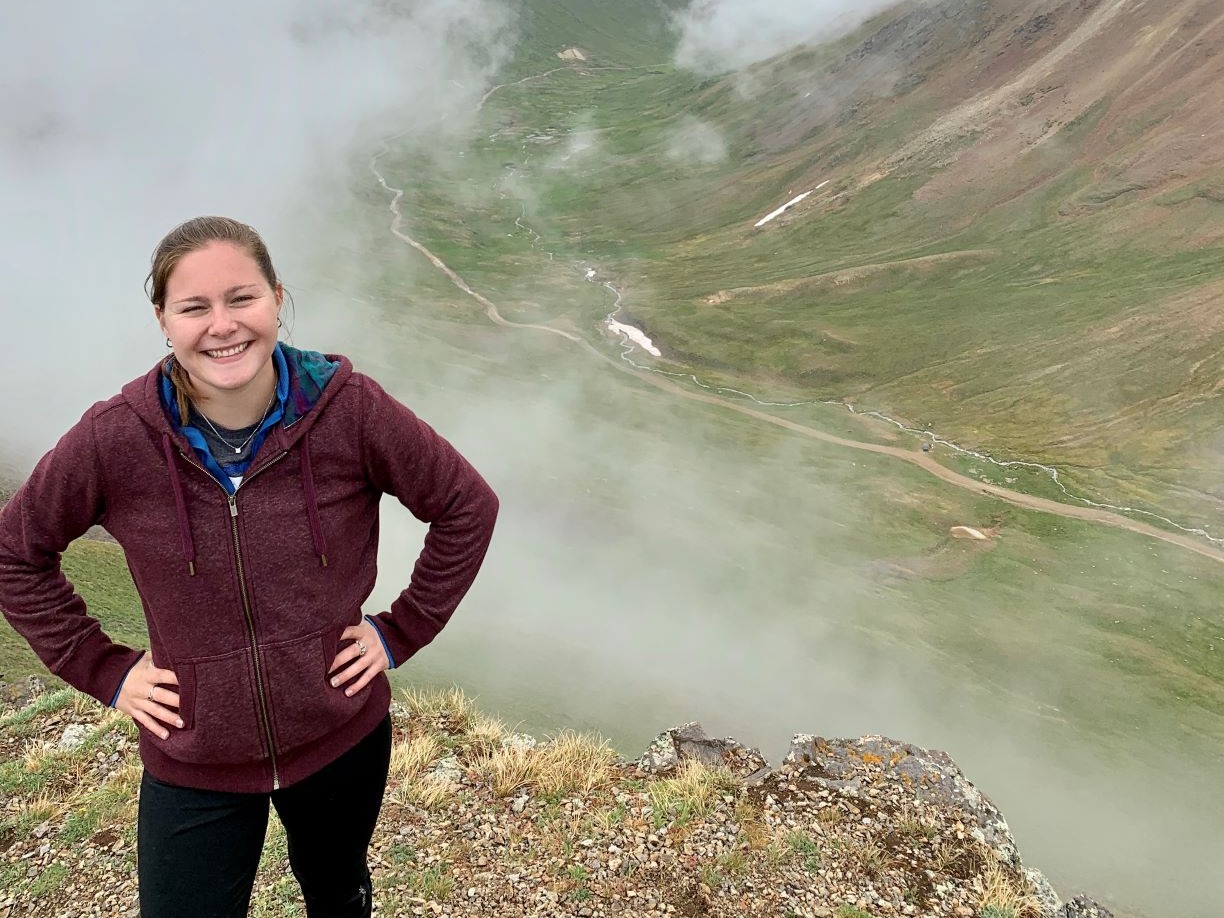
MS Watershed Science, 2024
Hydrologist, Montana Department of Natural Resources
Cohort 5 (Fall 2020)
Plants, Soils, & Climate (she/her/hers) I am a student in Climate Science at Utah State University studying climate dynamics, variability, and adaptation with a strong background in translating science into policy on the local, national, and international levels. My current research is focused on changes to cold weather climate extremes in the context of global warming. My passion is helping communities create science-informed action to build resiliency to the challenges posed by climate change.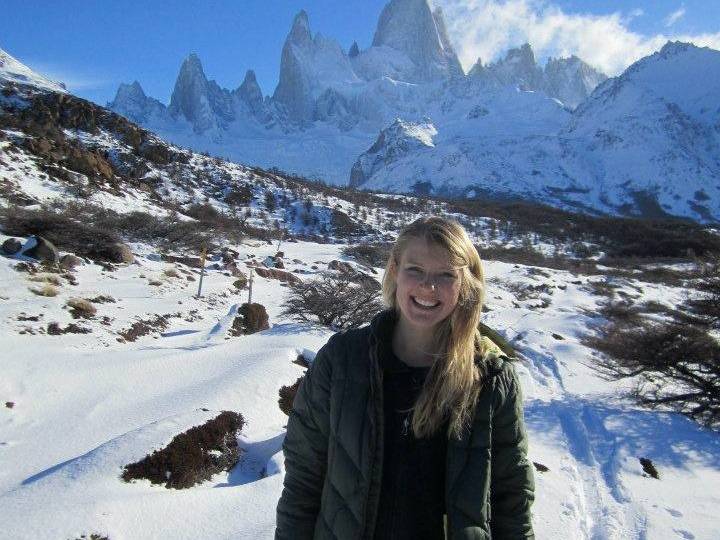
MS Climate Science, 2023
PhD student, Portland State University
Wildland Resources I am currently an M.S. Ecology Student working with Dr. Tom Edwards and the Utah Cooperative Fish and Wildlife Research Unit on terrestrial species distribution modeling. Graduating with a B.S. in Geospatial Computing from Brigham Young University-Idaho, I learned to think spatially and had a keen interest in spatial ecology. I now use a variety of tools in remote sensing, geospatial analysis, species distribution and occupancy modeling, and conservation planning to understand how plant and wildlife individuals, populations, and communities interact and are distributed spatially. My thesis research explores the distribution of rare and endangered plants in the Colorado Plateau and their associations with energy development and climate change impacts.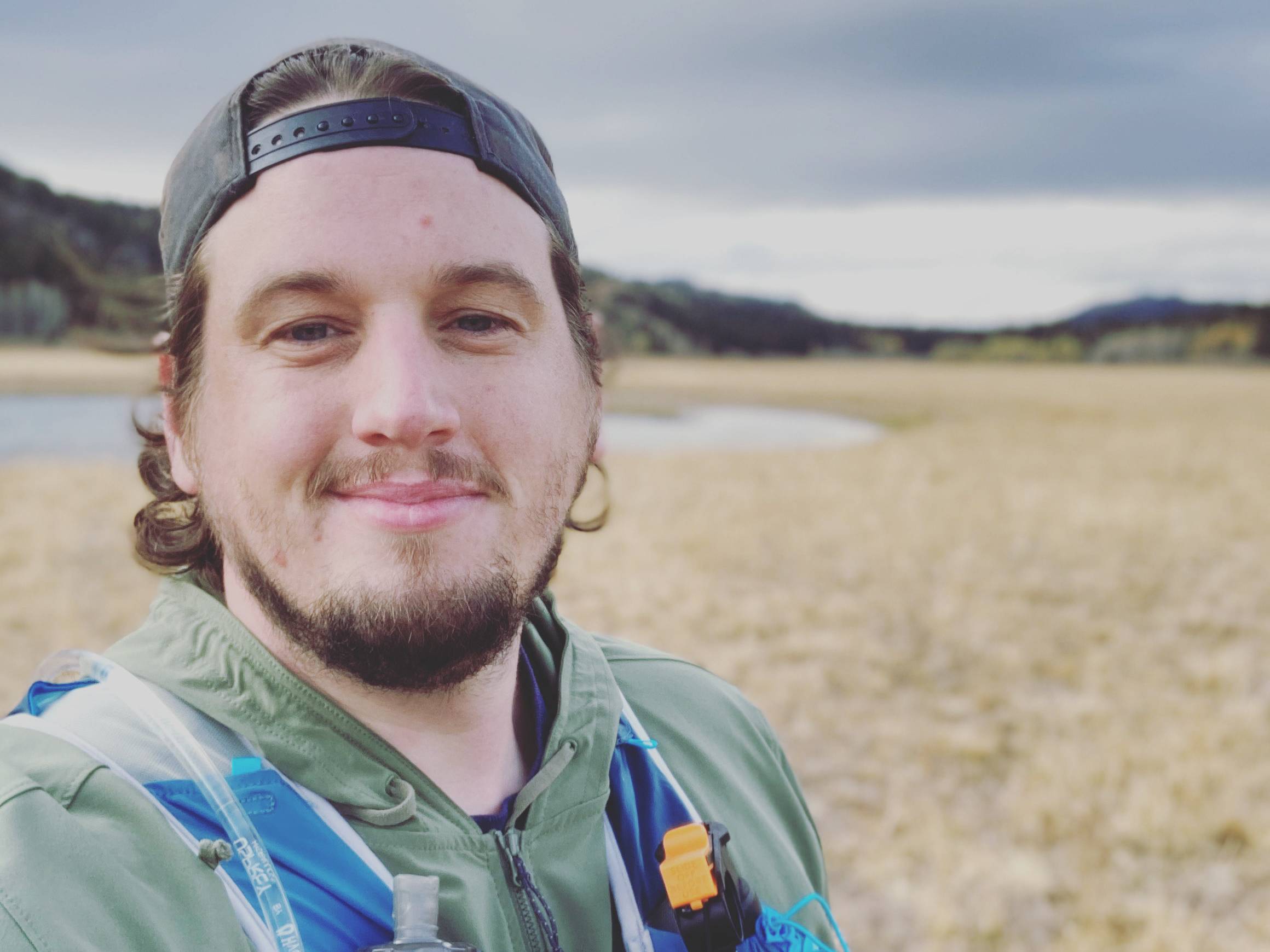
MS Ecology, 2022
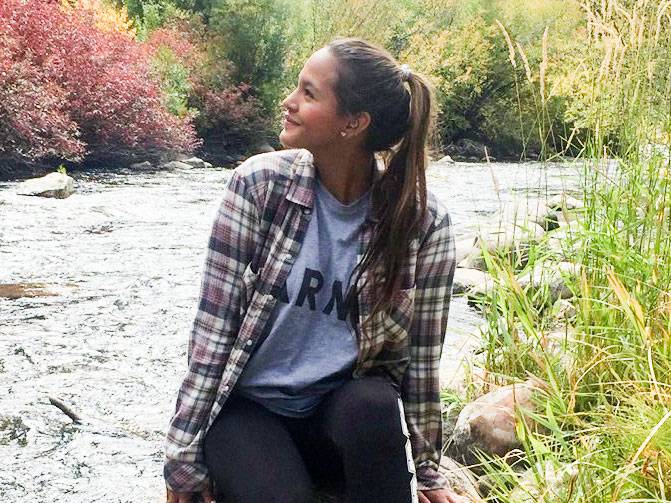
MS Watershed Science, 2022
Program Associate, Coral Restoration Foundation
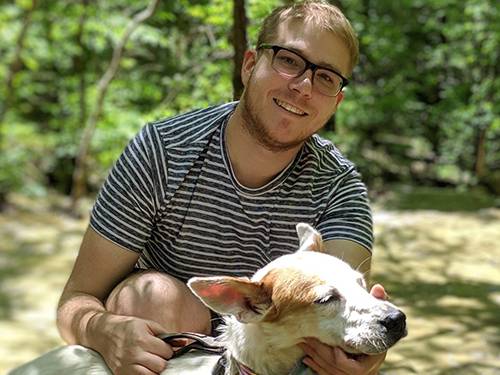
MS Geography, 2022
PhD student, Utah State University

Environment & Society (she/her/hers) I work with Sarah Klain and Roslynn McCann looking at how risks regarding negative emissions technologies are perceived. I am also interested in learning more about the social and political enablers and barriers to mitigating climate change, as well as climate education programs for the public.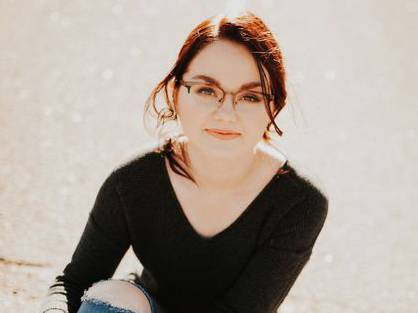
MS Environment & Society, 2023
Assistant Trails Planner, Cache County
Mathematics & Statistics (she/her/hers) I graduated from the University of La Verne with a B.S. in Mathematics in May 2019. I am currently a second year PhD student in the USU department of Mathematics and Statistics. My current research interests are centered around disease modeling; however, I have developed an interest in the application of mathematical models to make informed choices in the face of climate change. Over the past summer, I engaged in research investigating the impact of the covid-19 pandemic on greenhouse gas production. This research has inspired me to leverage mathematics to gain a greater understanding of climate change.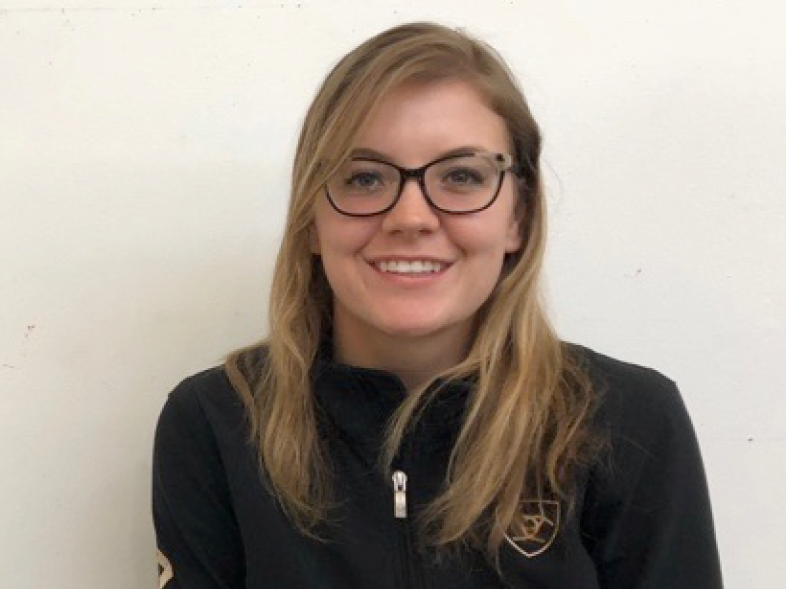
PhD Applied Mathematics, 2023
Actuary, Allstate Insurance
Environment & Society (she/her/hers) I graduated from Brigham Young University with a BS in conservation biology and minors in environmental science and Statistics. My research interests include natural resource management, climate change, and biodiversity conservation. I am pursuing an MS in Geography in the Fall of 2020. My research at Utah State University studies how human appropriation of net primary production affects biodiversity in the United States. I hope to be able to inform future policy and management decisions with sound scientific information. The importance of understanding of how humans interact with the environment will only increase in the future, and I'm excited to have a part in it. 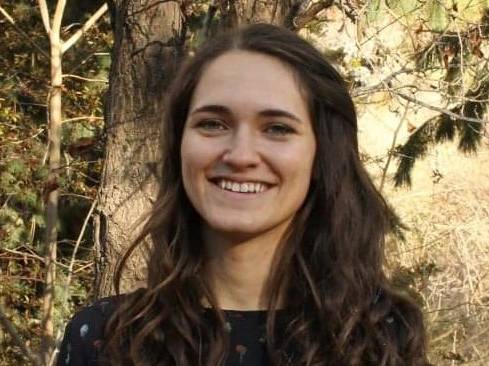
MS Geography, 2022
GIS Analyst, Frontier Precision
Geosciences I obtained a B.S. in Geology from Wheaton College (IL), where I learned to love geomorphology and value interdisciplinary studies. Two internships—collecting water quality samples and promoting river conservation awareness in Colorado (through The Roaring Fork Conservancy), and investigating the fluvial geomorphic history of two streams in Yellowstone National park utilizing field collection and computer modeling (through the KECK Geology Consortium funded by the NSF)—deepened my desire to understand the history of a geomorphic system to wisely steward such regions in the future. I am currently an M.S. student working with Tammy Rittenour to explore wildfire heating of soils and rocks and how this information fits within a larger climatic history.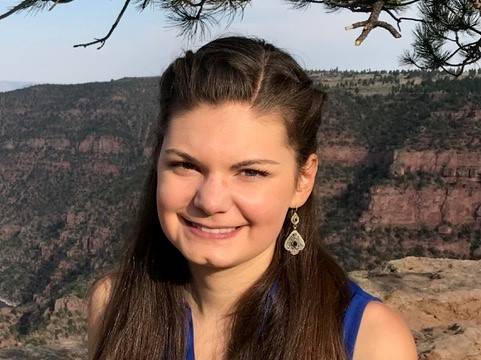
MS Geology, 2022
Wetland & Riparian Ecologist, Birch Ecology
Cohort 4 (Fall 2019)
The CAS trainees in cohort 4 are all working together on a California Wildfires project. The project seeks to pair spatial data designating fire spread & severity and a survey built to (1) understand how experiences of wildfire (e.g., smoke, power shutoffs, property damage) may have impacted California residents in the past year, and (2) learn more about views on wildfire policies and programs.
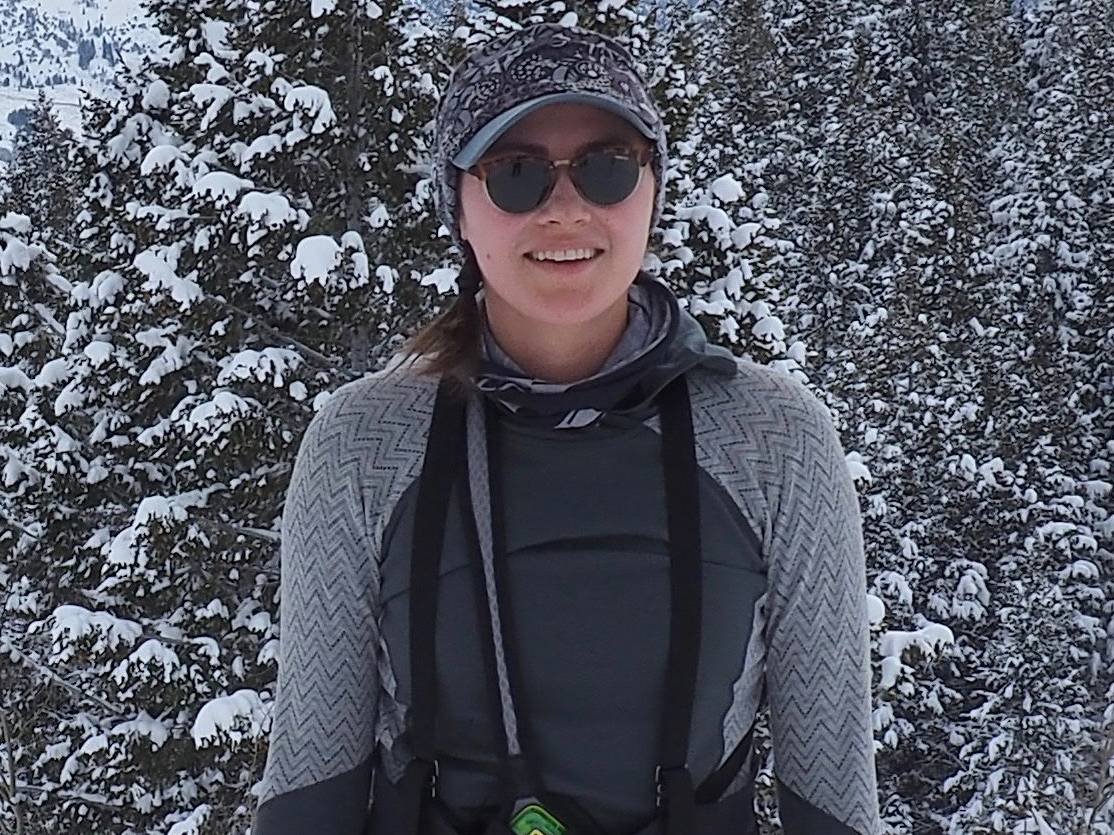
Ecologist, Sierra Nevada Inventory & Monitoring Network - National Park Service

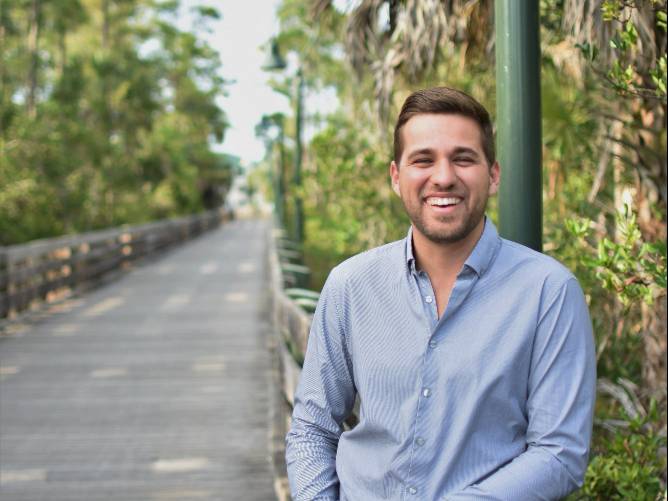
MS Environment & Society, 2022
Marine Science/Environmental Educator, Tampa Bay Watch

MS Biology, 2022
Researcher, BioWest
Cohort 3 (Fall 2018)
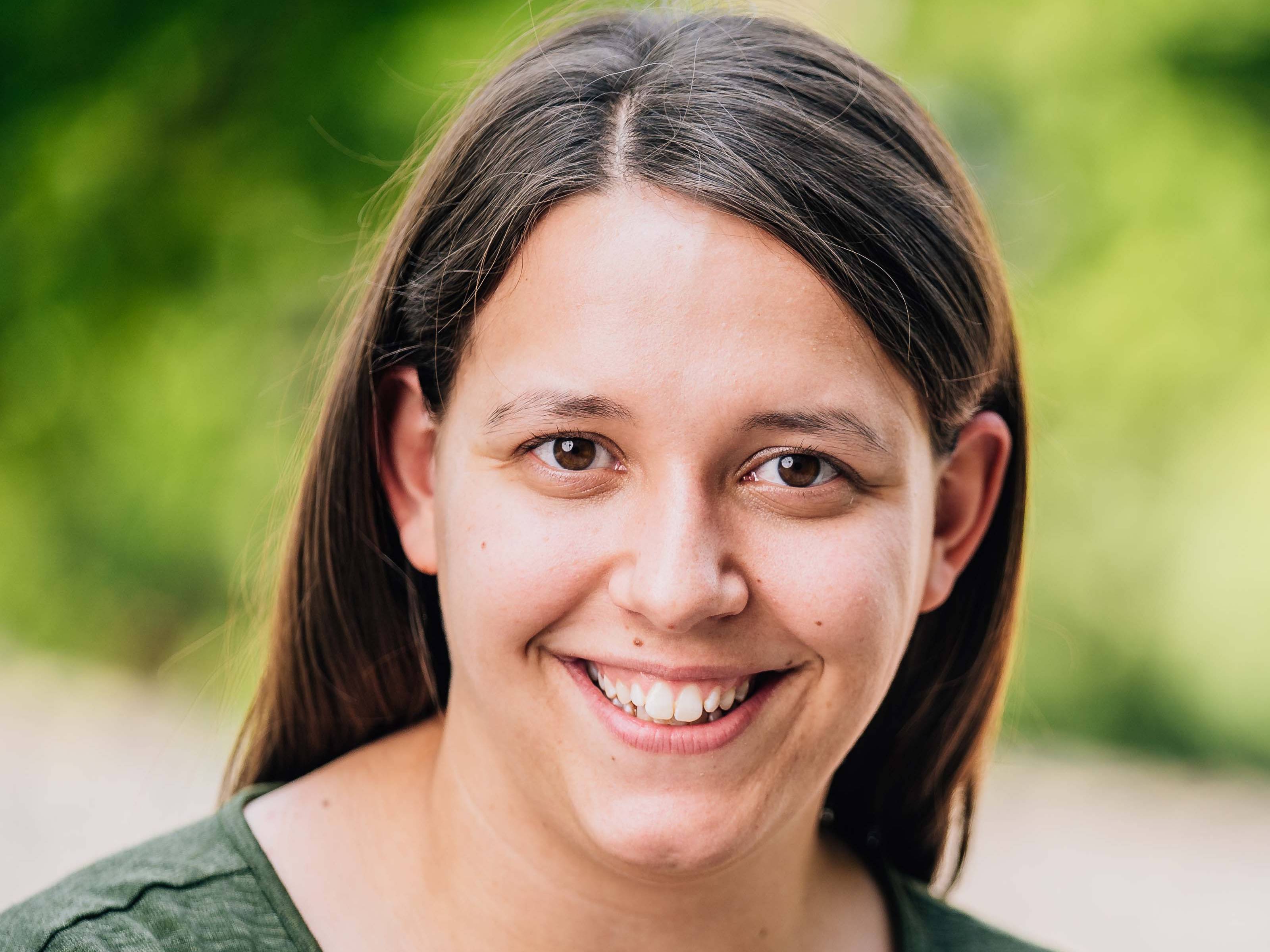
MS Statistics, 2022
PhD Mathematics, 2024

MS Watershed Sciences, 2020
PhD Geological and Earth Sciences/Geosciences, 2024
Post-doctoral researcher, University of Padova
PhD Biology, 2022
Assistant Professor, Louisiana State University
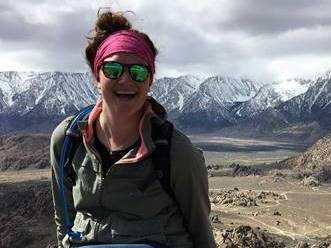
PhD Ecology, 2023
Post-doctoral researcher, Kent State University
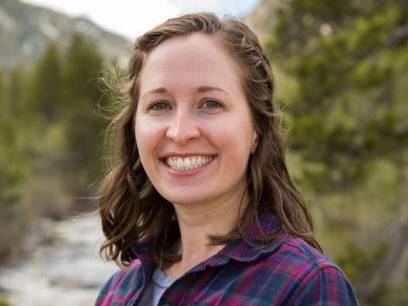
MS Civil & Environmental Engineering, 2020
Staff Engineer, Colorado River Authority of Utah
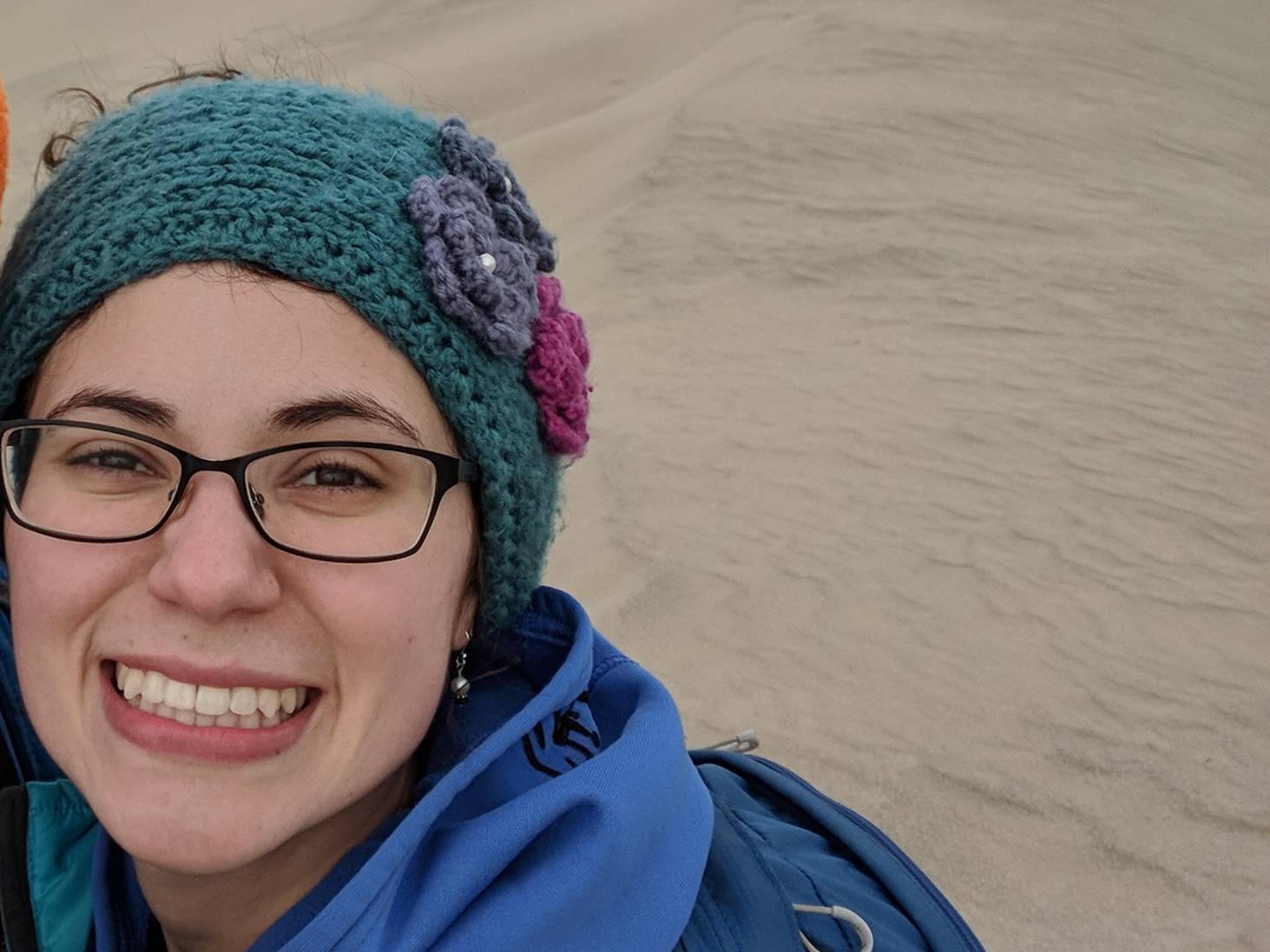
PhD Watershed Science, 2023
Climate Adaptation Program Manager, Henry's Fork Foundation

MS Climate Science, 2020

PhD Environment & Society, 2023
Statistician/Data Analyst, MIT FutureTech
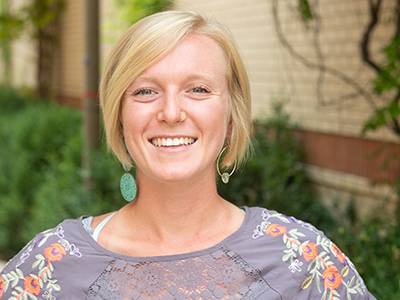
PhD Environment & Society, 2022
Assistant Professor, Penn State
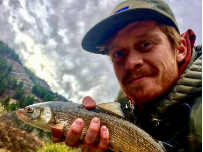
PhD Climate Science, 2022
Project Scientist, NSF NCAR
Cohort 2 (Fall 2017)

MS Water Resources Engineering, 2019
PhD Student, Utah State University

PhD Ecology, 2022
Post-doctoral Associate, Cornell University
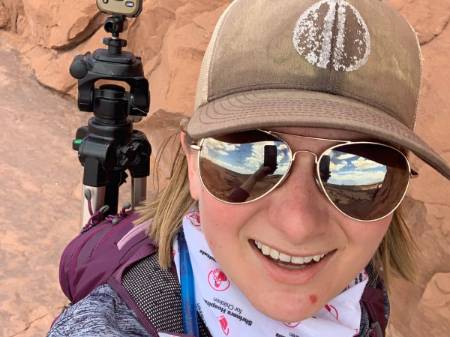
MS Geography, 2019
Adjunct Professor, Bemidji State University
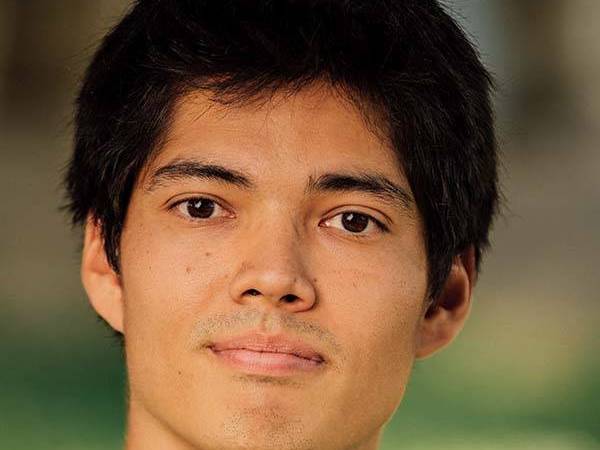
PhD Mathematics & Statistics, 2021
Data & Models Analyst, Speed Goat
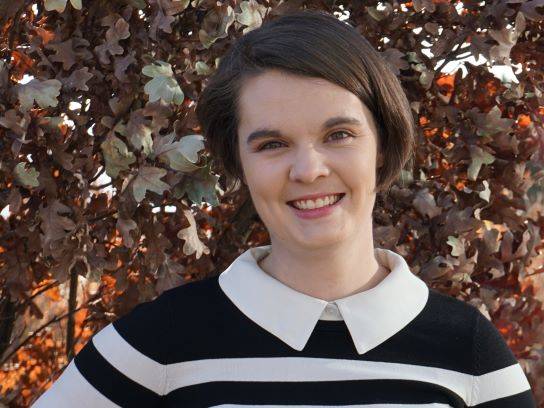
MS Ecology, 2021
Public Affairs Specialist, NOAA
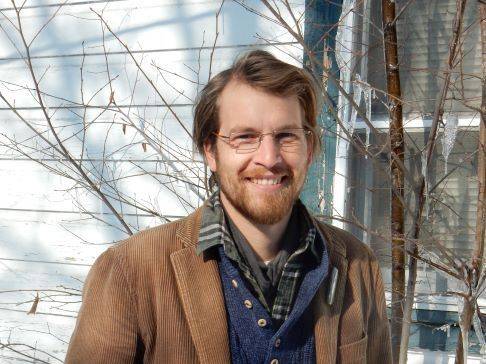
PhD Sociology, 2020
Post-doctoral researcher, University of Montana
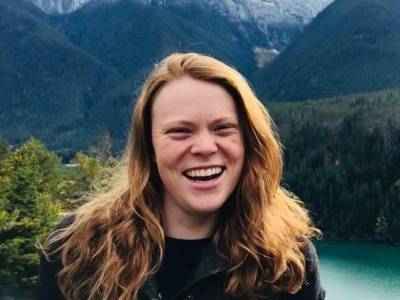
MS Civil & Environmental Engineering, 2020
Environmental Compliance and Sustainability Engineer, L3Harris Technologies
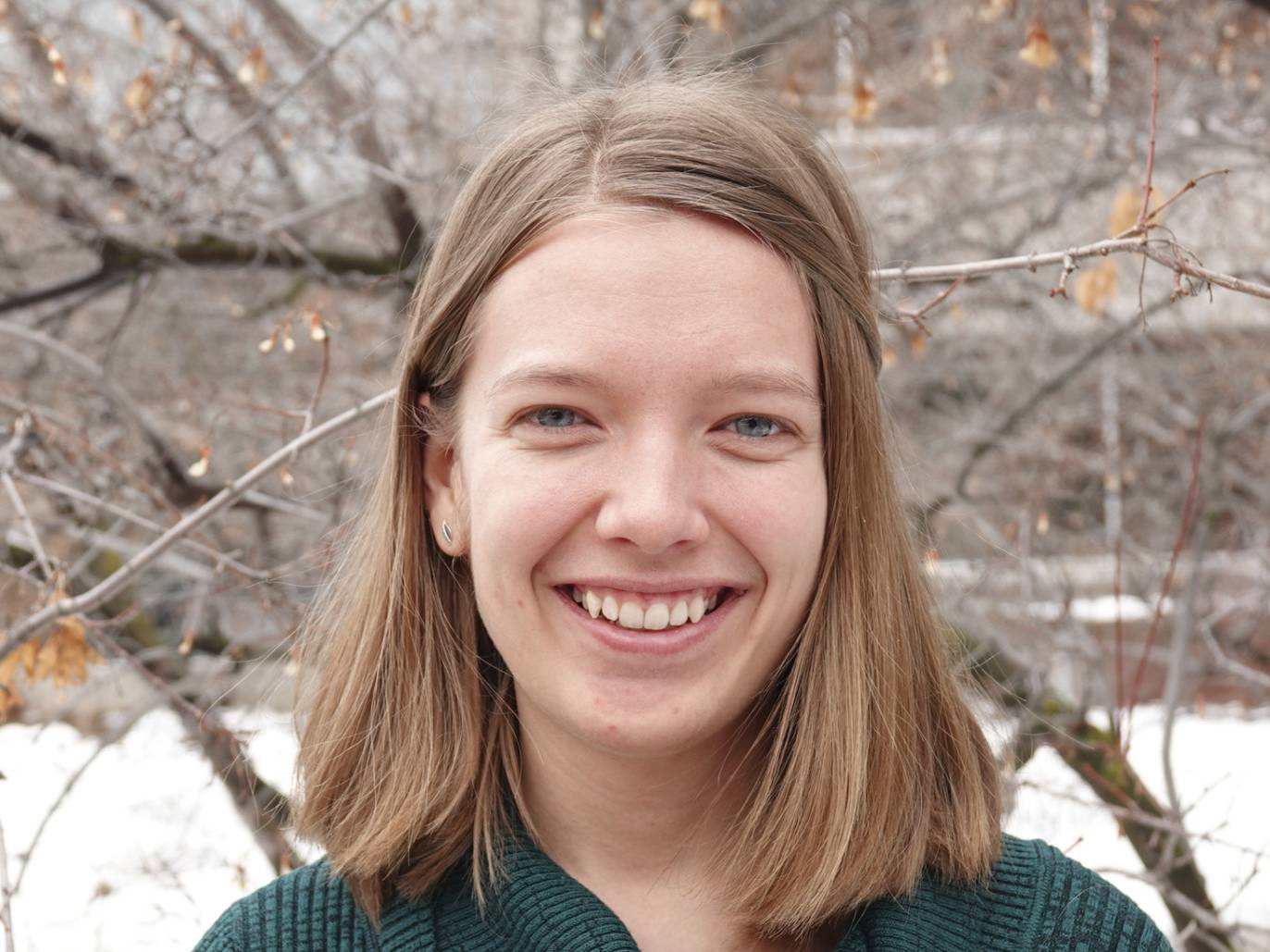
PhD Environment & Society, 2020
Research Social Scientist, USGS
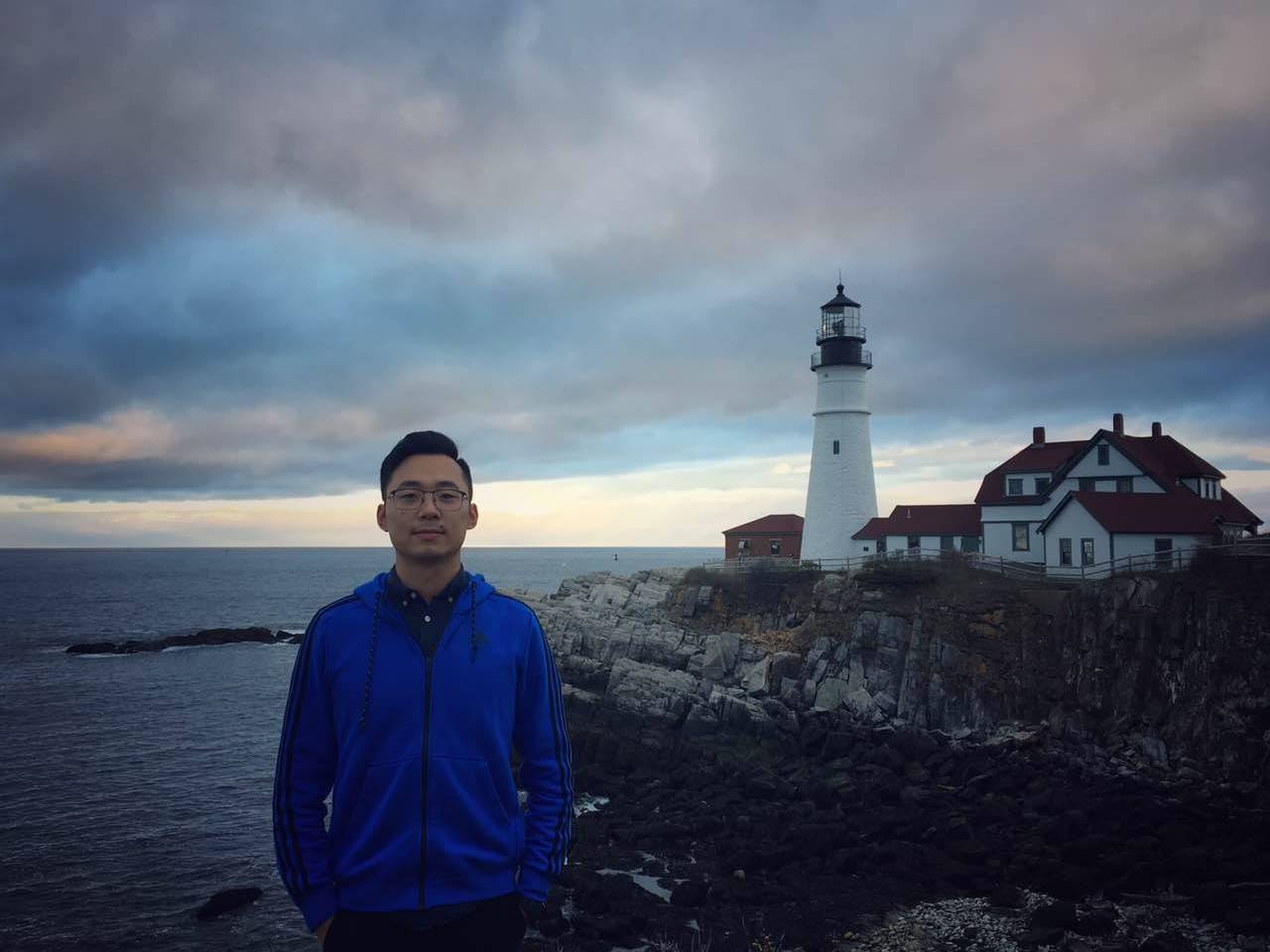
PhD Environment and Society, 2020
Assistant Professor, Hunan Normal University
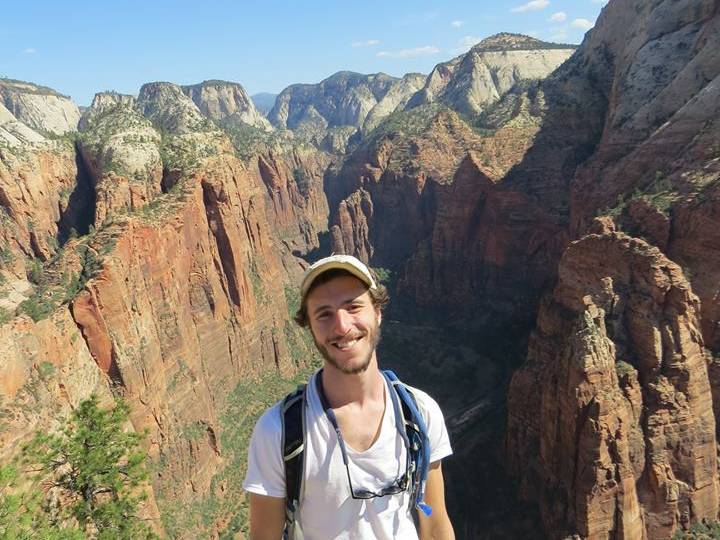
MS Ecology, 2020
Scientist, Rocky Mountain Research Station
Cohort 1 (Spring 2017)
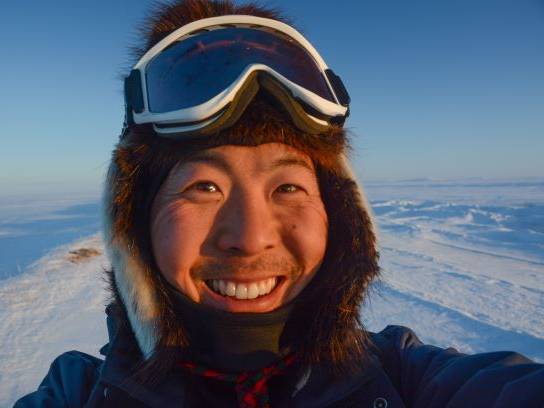
PhD Ecology, 2021
Vegetation & Wetland Ecologist, University of Alaska Anchorage

MS Geography, 2018
Music Instructor, Self-employed
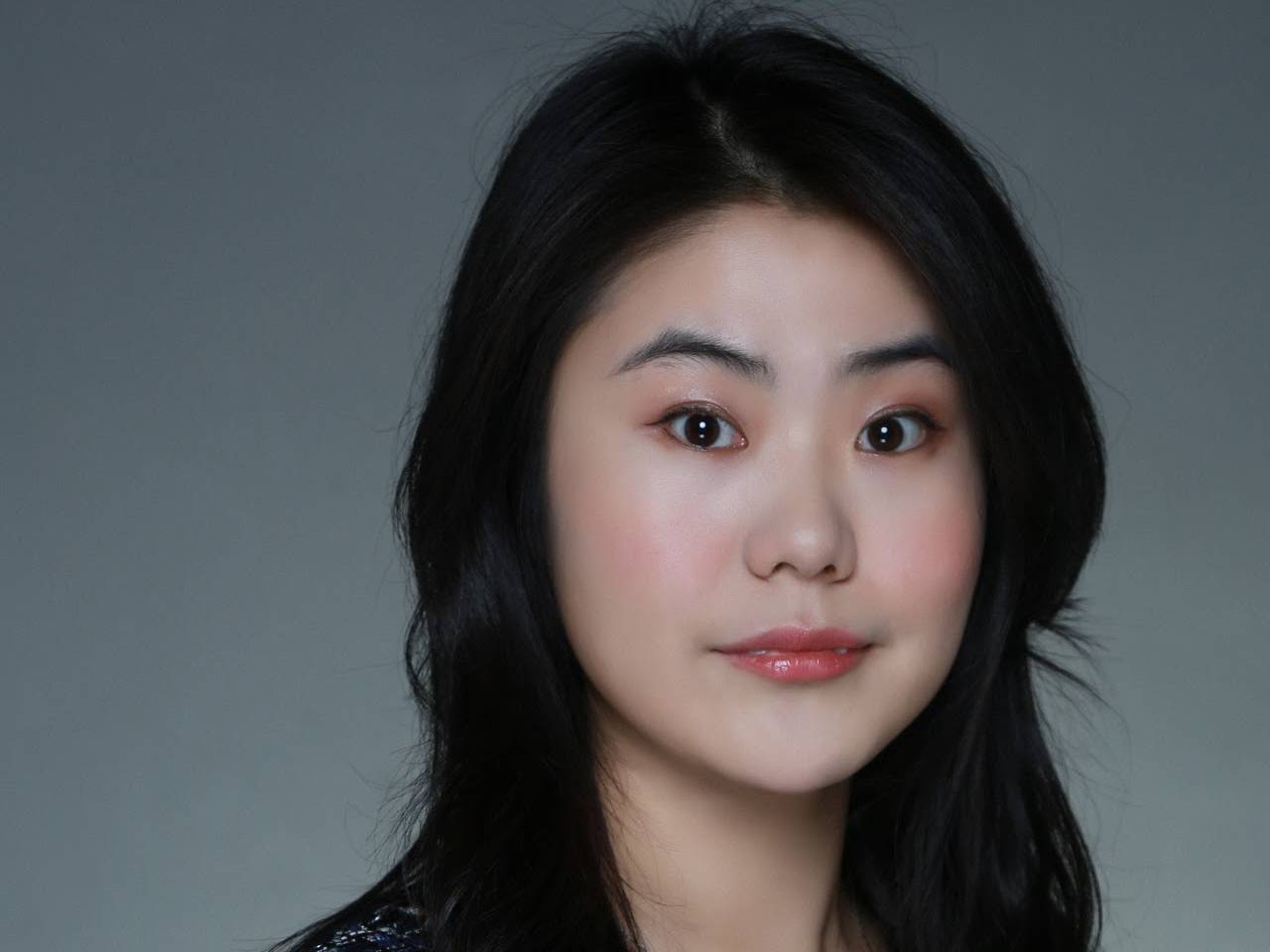
PhD Economics, 2019
Assistant Professor, Nanjing Audit University
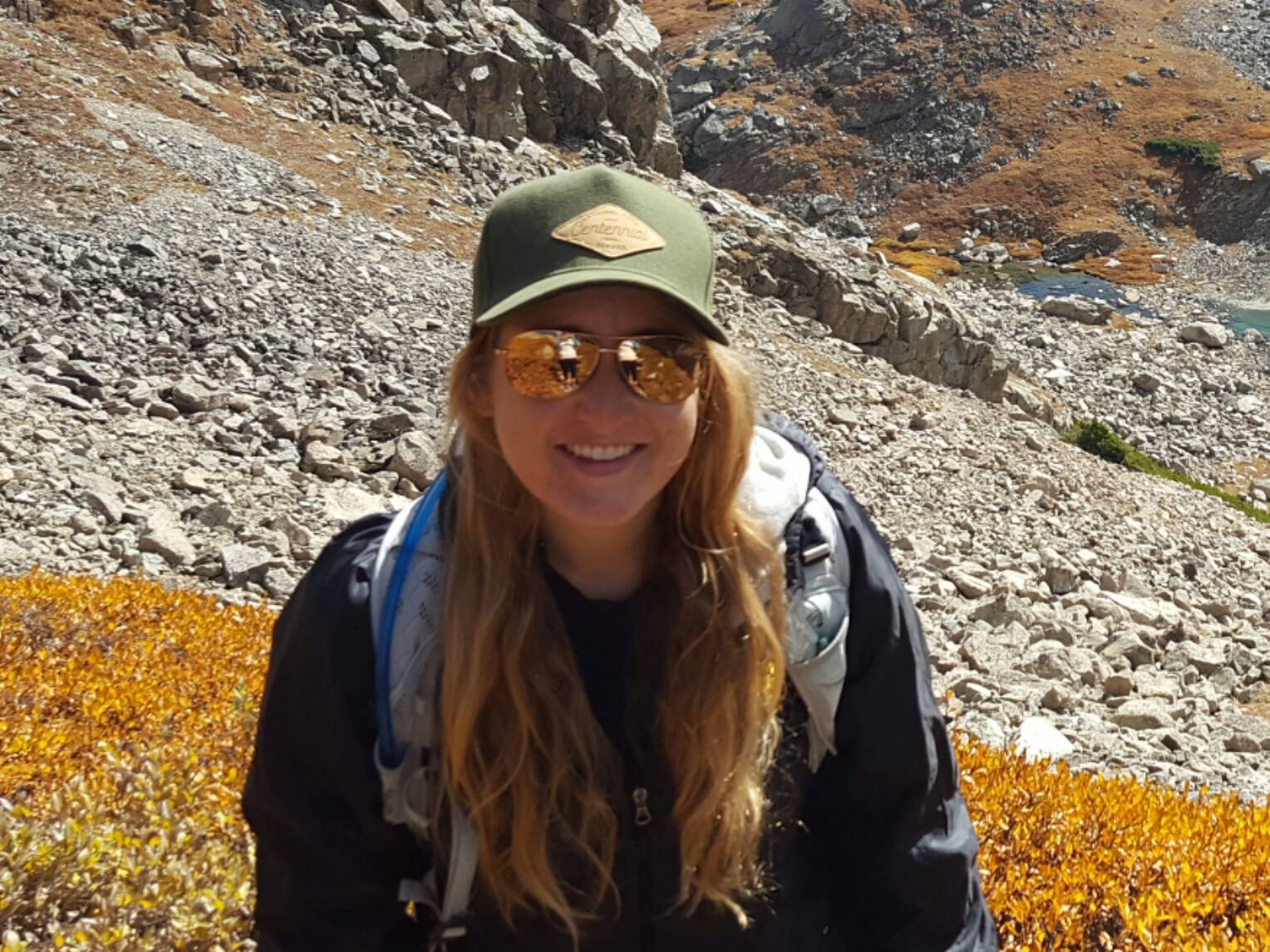
MS Watershed Sciences, 2019
Law student, University of Oregon
MS Ecology, 2019
PhD Environmental Life Sciences, 2023
Post-Doctoral Research Scholar, Arizona State University
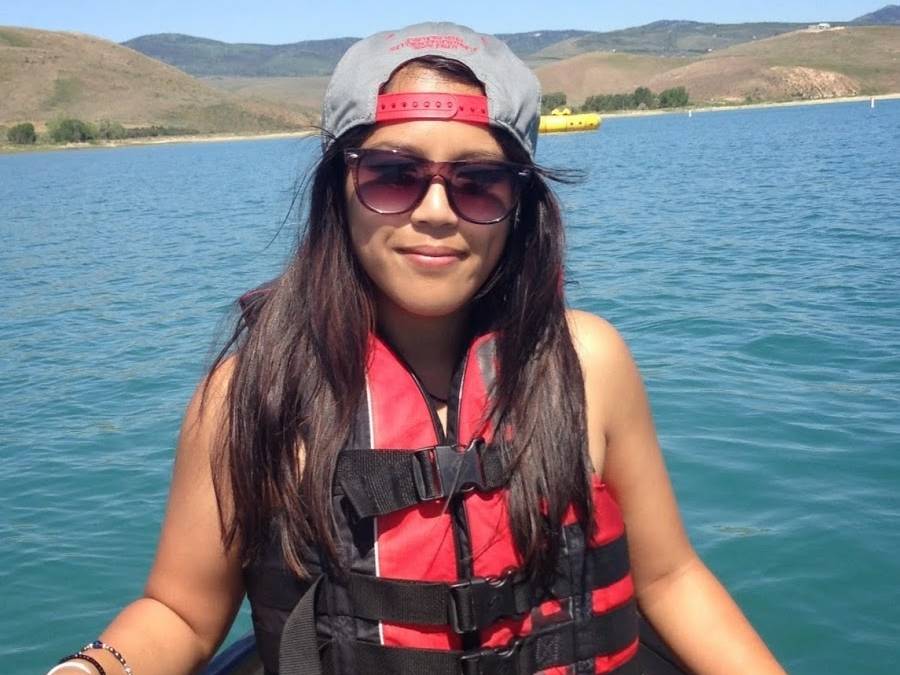
MS Sociology, 2014
PhD Watershed Science, 2020
Biologist/Ecologist, EPA