
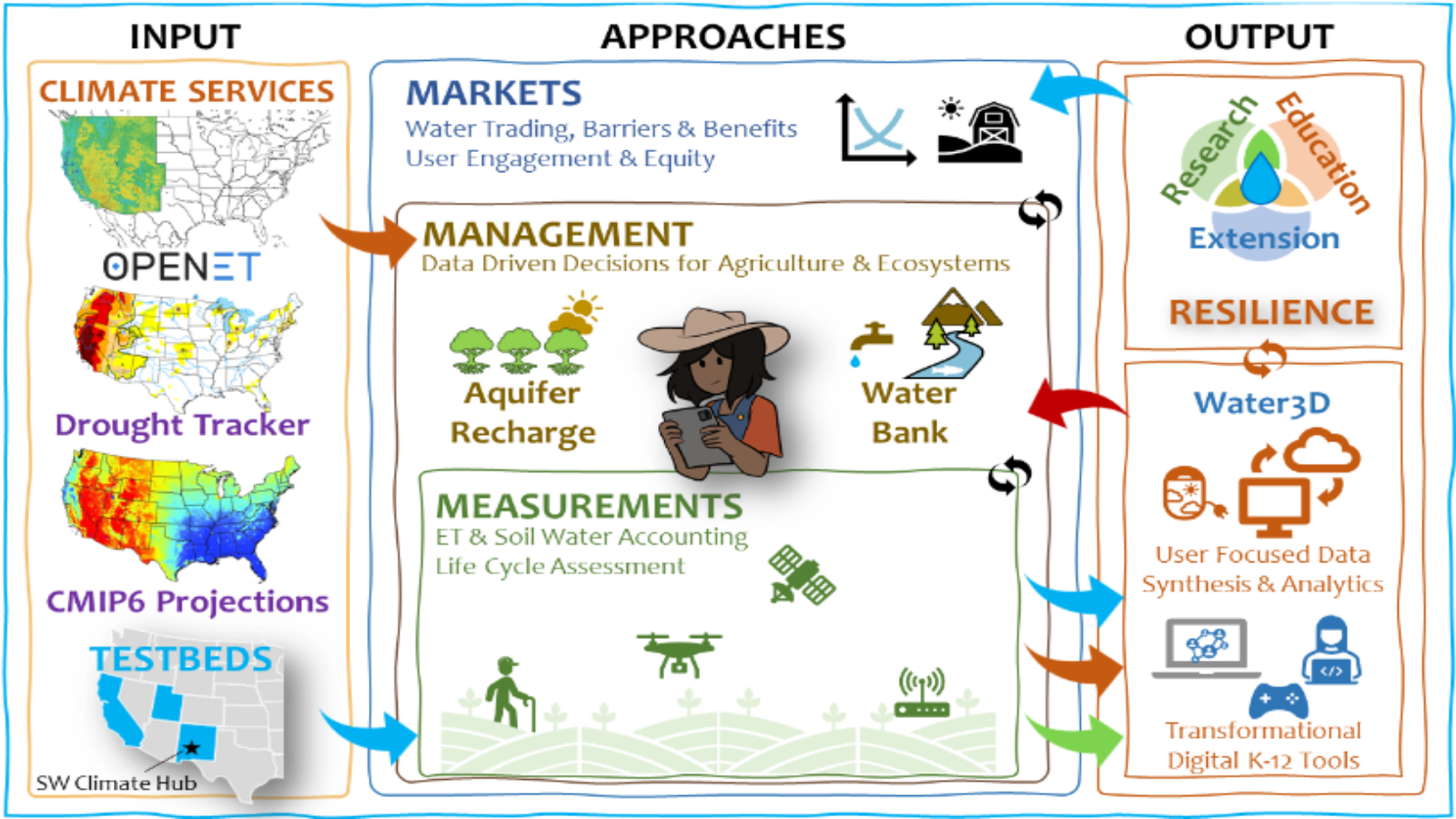
Securing a climate resilient water future for agriculture and ecosystems through innovations in measurement, management, and markets
This project involves an innovative team of stakeholders, educators, and scientists working together. Climate change adaptation in western agriculture and ecosystems requires better information and flexible institutions for our most precious resource—WATER. This program delivers novel tools and techniques for water-stressed regions, enabling thriving agriculture, healthy ecosystems, and community resilience in an uncertain climate future from the field to regional scales. • Funding • USU PIs: Sarah Null, Matt Yost, Alfonso Torres-Rua, Scott Hotaling, David Rosenberg • USU graduate researchers: Hadia Akbar, Gabriela Sancho Juárez, Saddy Pineda, Britta Schumacher, Masoumeh Alsadat Hashemi Tameh, Katherine Osorio Diaz • USU Staff: Abby Bushman
Great Salt Lake Strike Team
Utah’s public research universities – The University of Utah and Utah State University – formed the Great Salt Lake Strike Team to provide a primary point of contact for policymakers as they address the economic, health, and ecological challenges created by the record-low elevation of Great Salt Lake. Together with state agency professionals, the Strike Team brings together experts in public policy, hydrology, water management, climatology, and dust to provide impartial, data-informed, and solution-oriented support for Utah decision-makers. • USU co-chairs: Brian Steed, Dave Tarboton • USU team members: Sarah Null, Joanna Endter-Wada, Matt Yost, Bethany Neilson, Anna McEntire • 2023 Policy Assessment • The Strike Team is a product of the Janet Quinney Lawson Institute for Land, Water & Air.
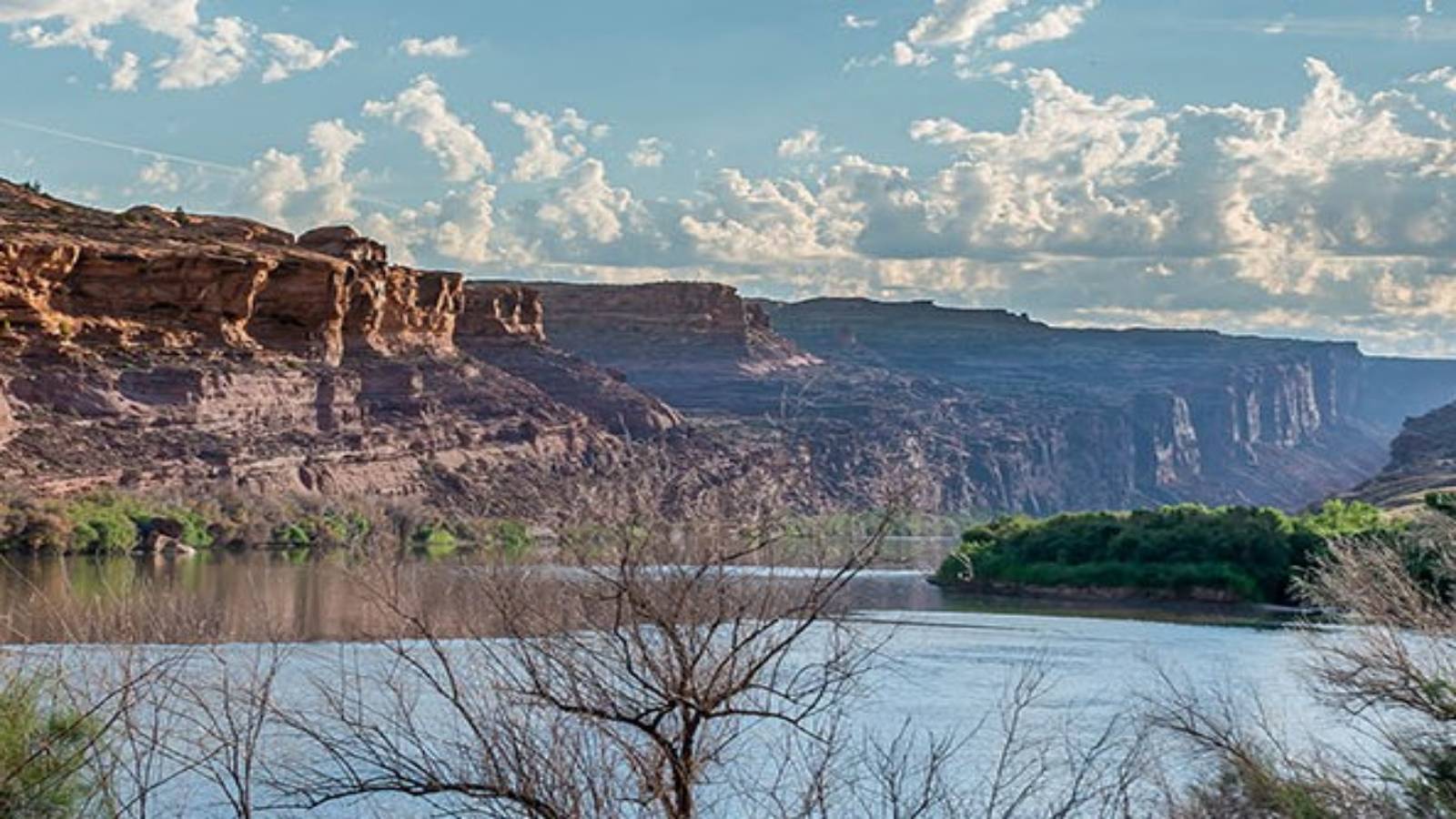
Seasonal-to-Decadal Climate Prediction
This project is dedicated to providing reliable climate forecasts for the upcoming seasons, years, and even decades. While traditional weather forecasts can only predict up to two weeks in advance, our approach leverages the interactions between the atmosphere, land, and ocean systems to provide longer-term predictability. Using cutting-edge Earth system models and historical observational datasets, we aim to enhance our understanding of Earth system processes and improve climate predictability on seasonal-to-decadal timescales. One example of our success is the multi-year Colorado River water supply forecasts, which can help decision-makers and stakeholders develop management plans for upcoming multi-year droughts. Our ongoing research includes predicting summertime air quality for several seasons ahead, forecasting mega-droughts in the Colorado River basin, revealing the climate change impacts on precipitation regimes, and improving prediction systems using Earth system models. • USU researchers include climate scientists Simon Wang, Robert Gillies and Yoshi Chikamoto, agroclimate Extension specialist Matt Yost, and fire ecologist Larissa Yocom. • Resources: Blog article: Predicting prolonged drought in the Colorado River Basin • USU Today Article • Chikamoto website
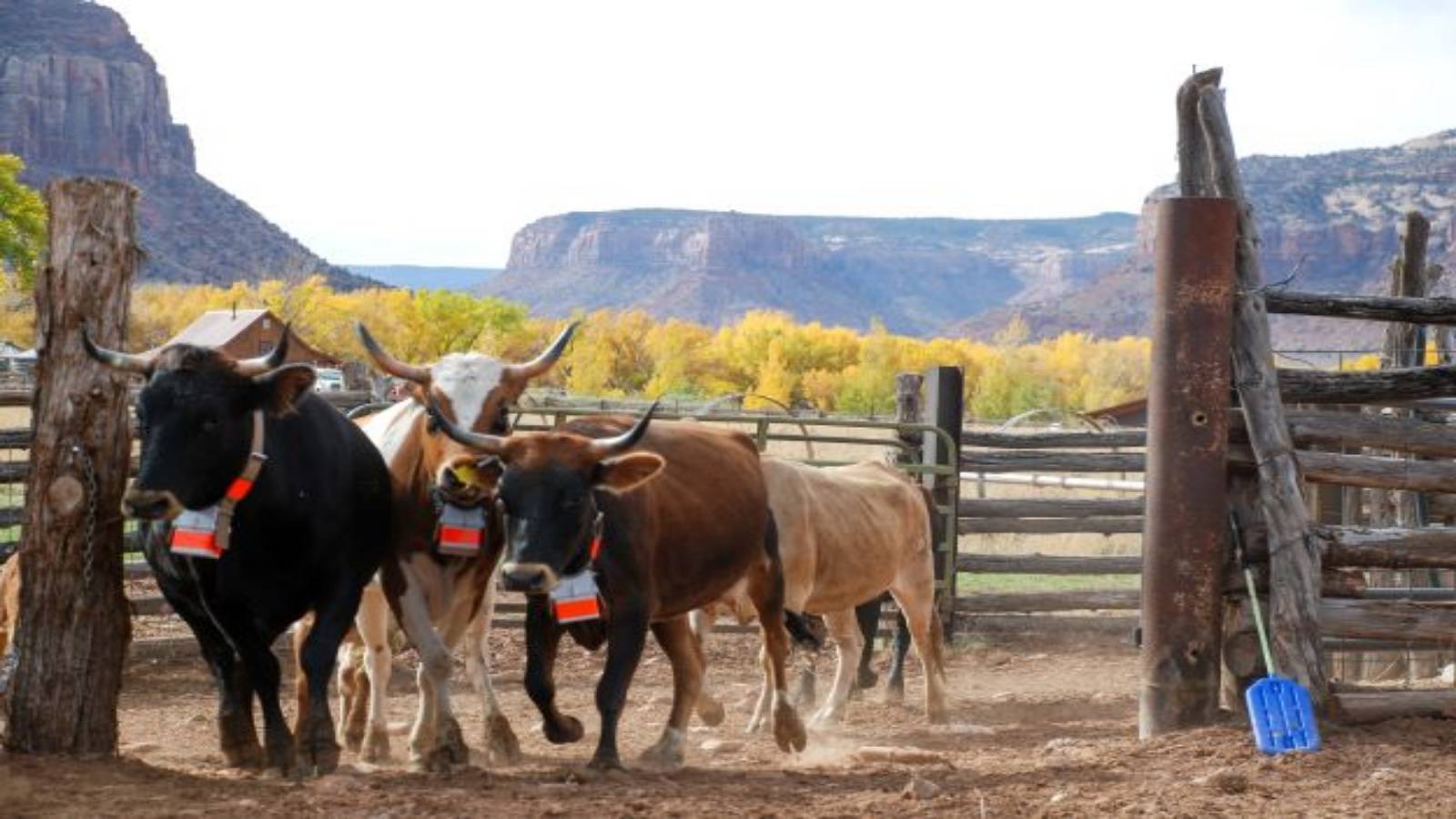
Rarámuri Criollo Heritage Breed Cattle
In the Colorado Plateau region of the western United States, livestock production is one of the most widespread and culturally important land uses, despite being economically tenuous and severely threatened by future climates. Introduction of heritage breeds, such as Rarámuri Criollo cattle, to livestock operations presents a potential opportunity to maintain economically sustainable levels of livestock production under frequent and prolonged drought while also maintaining rangeland health. Rarámuri Criollo have been shown to have broader diets and larger home ranges than standard breeds, and to therefore to utilize a wider range of forage on a larger proportion of the landscape. These behaviors stand to effectively increase forage availability during dry times when forage is otherwise limited, and also may result in more diffuse or less intense impacts of cattle activity on the landscape and associated ecosystem services. Our overarching goal is to test whether incorporating Raramuri Criollo, a heritage breed, into Colorado Plateau livestock production systems facilitates adaptation to the more arid conditions that are likely under future climates, and allows for sustained production while maintaining or even increasing ecosystem health and resilience. • Funding: USDA NIFA • USU PIs: Kari E. Veblen, Tal Avgar, Eric Thacker, Juan Villalba, Matthew Garcia • USGS PIs: Mike Duniway, Sasha Reed • Graduate student: Maria Stahl
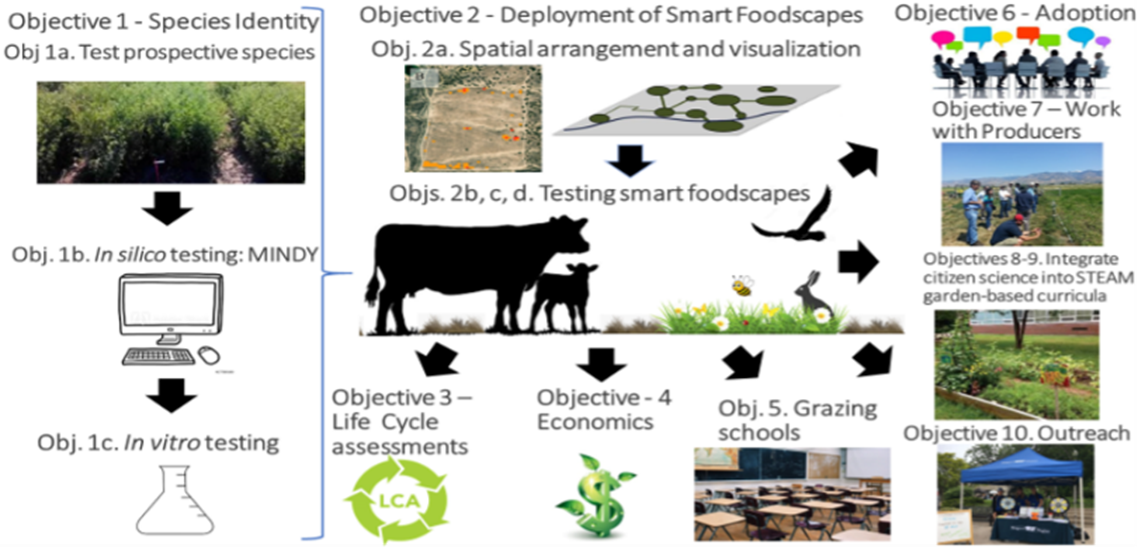
Smart Foodscapes
Our elementary idea is that a diversity of deep-rooted perennial legumes and non-legume forbs high in nutrients and functional biochemicals can be grown and stockpiled in resource patches across the landscape to be used as low-cost supplementation for beef cattle to increase productivity and biodiversity while reducing environmental impacts. Thus, the long-term goal of this project is to improve the economic and environmental sustainability of beef production systems in the western U.S. through the establishment of islands of multifunctional diversity in the landscape. • Principal Investigator: Dr. Juan Villalba • Smartscapes Team: Dr. Jessica Schad, Dr. Dave Dahlgren, Dr. Eric Thacker, Dr. Doug Ramsey, Ms. Aurora Villa, and Dr. Jennifer MacAdam
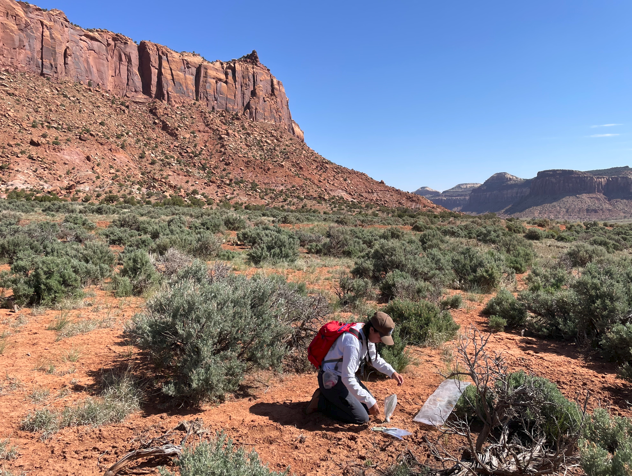
We don't understand plant roots: How better root maps can predict plant growth, water cycling, and response to climate change
Vegetation composition and productivity have changed dramatically around the world in the past 50 years. These changes can have important effects on forage production, soil erosion, fire regimes, soil carbon and water cycling. In the western US alone, shrub encroachment in the last 30 years has caused $5 billion in lost forage production and management costs. While there are many potential explanations for these shifts, climate change is a likely culprit. Larger rain events and warmer temperatures are changing the way water moves through soil and plants. Some plants have or can create root distributions that can take advantage of these changes while others do not. Root distributions, therefore, are likely to be a central factor that determines how different plants respond to climate change. Unfortunately, existing root distribution data is too limited, indirect, or coarse to predict plant growth responses to climate change. • This work has been supported by the Utah Agricultural Experiment Station, the Institute of Land Water and Air, the Andrew Mellon Foundation and the National Science Foundation. Dr. Karen Beard (USU) is helping with field work and Dr. Kyle Palmquist (Marshall University) is helping scaling results up to the regional scale.
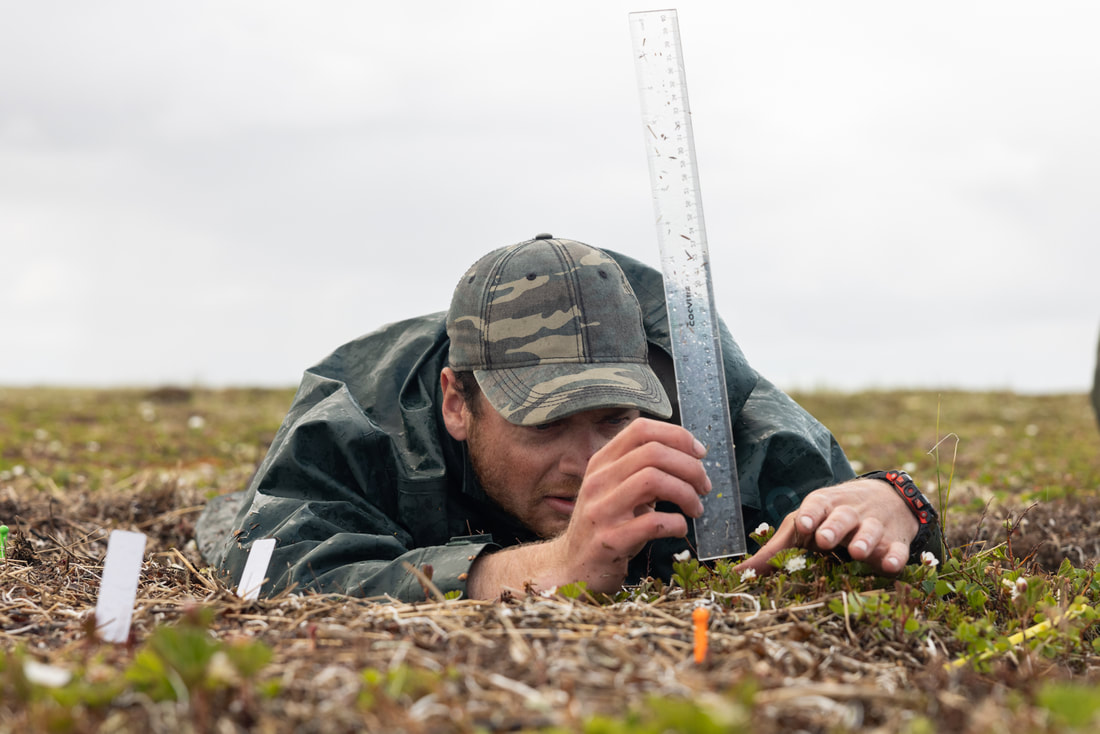
Climate-induced sea-level rise, warming and herbivory effects on vegetation and greenhouse gas emission in coastal western Alaska
In this project, we are investigating how increased flooding from increasing storm surges and sea-level rise, increasing temperature, and changing herbivory patterns will influence western, coastal Alaska. We are working in the Yukon-Kuskokwim Delta, a 50,000 mi2 area, that is coastal, has low elevation, 40 native villages, and half a million migratory birds visiting each year. We are conducting field experiment to manipulate flooding, warming and changing herbivore patterns to investigate how lowland to upland vegetation will change in terms of community composition, species traits, phenology, and greenhouse gas flux with these predicted shifts. • USU Research Karen Beard with USU post-doctoral researcher Matteo Petit Bon, and colleagues, Joshua Leffler and Katherine Kelsey at South Dakota State University and UC Denver, respectively, and 3 MS students, including USU's Tyler Williams, and two USU undergraduate researchers, Cristina Chirvasa and Trevor Hoffman.
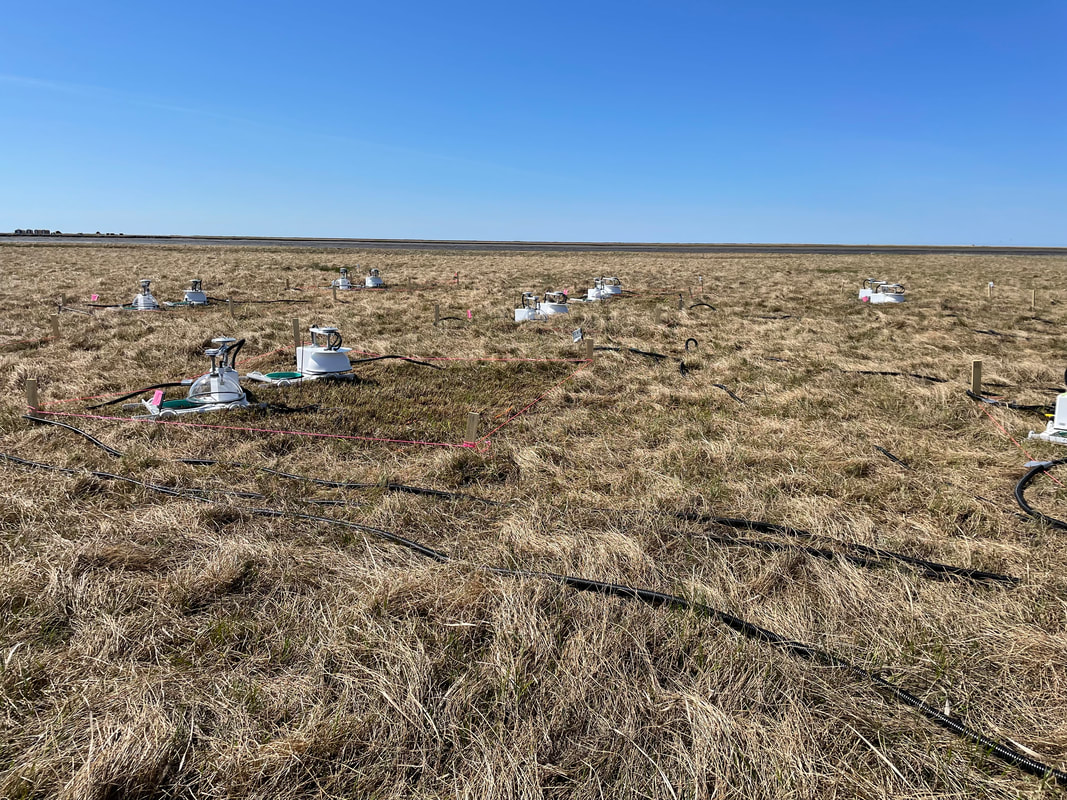
Collaborative Research: RAPID
Typhoon Merbok in coastal western Alaska: Extent of flooding and impacts on plant communities and ecosystem function
In September 2022, a 50-year Typhoon hit coastal western Alaska, with waters rising up to 10 ft in our study area. We are investigating the extent of the flooding event, the impact in terms of rack and log deposits and pond salinity, as well as how a single large flooding events affects vegetation communities in terms of cover, traits and phenology, as well as soil thaw depth, soil chemistry, and greenhouse fluxes in the year following this event. • USU Research Karen Beard with USU post-doctoral researcher Matteo Petit Bon, and colleagues, Joshua Leffler and Katherine Kelsey at South Dakota State University and UC Denver, respectively.
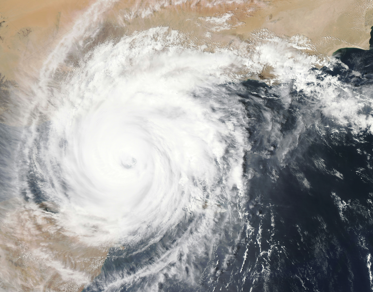
Utah People and the Environment Poll (UPEP)
The Utah People and the Environment Poll, which was administered in the Spring of 2023, gathered Utahns' perspectives on a wide range of environmental issues. Student and faculty researchers analyzed the results to create a series of briefs on topics ranging from climate change to air and water quality to drought and tourism. These briefs contain a summary of results as well as policy implications. Subsequent surveys will be able to assess change over time and potentially offer insights into the impact of various interventions. The poll was designed to reach a representative population for the state. Close to 450 people completed the poll from 25 counties across Utah.
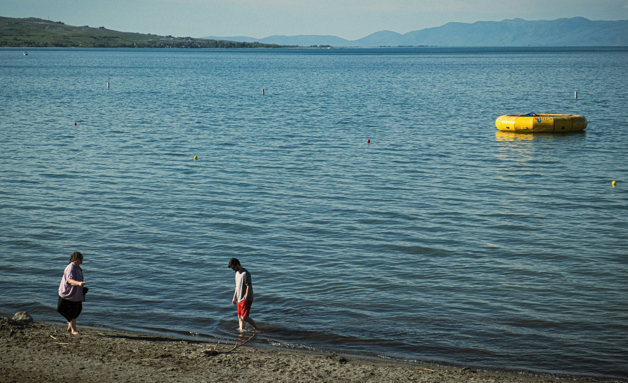
CANRI's Bear Lake Project
In recent years, Bear Lake has experienced an influx of visitors and new residents, which is impacting the local environment and communities in a variety of ways. The Bear Lake research project will engage students from across one undergraduate and three graduate courses at USU by training them to use historical and qualitative methods for the benefit of local communities. The data collected is intended to expand understandings of the environmental concerns related to increased recreation, in-migration, and climate change at Bear Lake from a variety of stakeholders. Students and professors will engage local scientists, part-time and full-time residents, community leaders, and local environmental organizations to assess scientifically-grounded concerns alongside community perceptions of impacts related to increased tourism and in-migration. The data collected will be used to enable environmental and community advocates to better design communication campaigns and community engagement efforts to effectively address the problems identified.
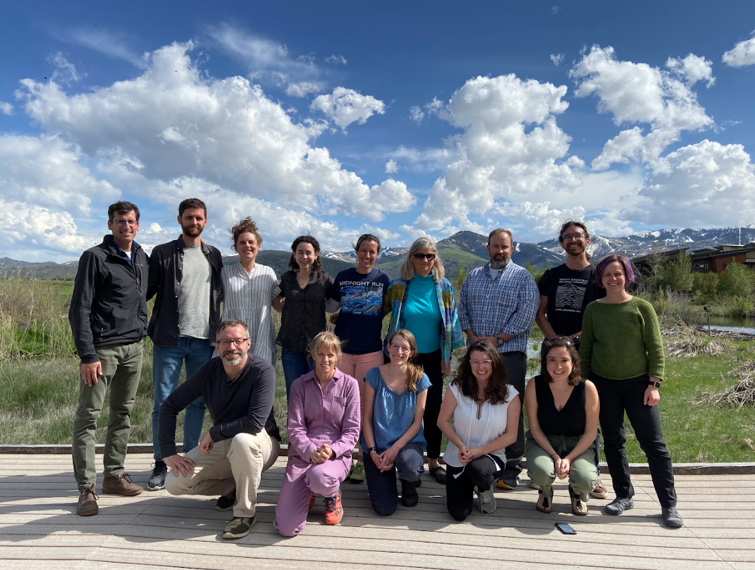
Climate change and ecosystem functioning: reducing critical uncertainties about ecological acclimation
Ecosystem respond the climate change through a wide range of processes. Plants flower sooner in response to earlier snow melt, some may evolve drought tolerance when water becomes more scarce, and desert species will slowly colonize areas that are getting hotter. These processes of "ecological acclimation" maintain the functioning of ecosystems in the face of change. But current climate change is occurring so rapidly that some of these ecological acclimation processes will lag behind. We are working to understand which processes and which communities will lag behind climate change and what can be done to keep ecosystems functioning. To accomplish this, we've assembled a cross-disciplinary team of scientists who specialize in process across vastly different timescales. We are pulling knowledge from physiology, biogeochemistry, evolution, and paleoecology to get a complete picture of the future of ecosystems.
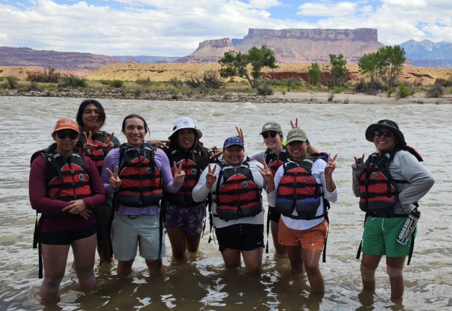
Tribal Climate Change Talking Circles & Curriculum Co-Creation
Through a National Science Foundation grant led by Washington State University, USU Co-PI Dr. McCann formed a team to build relationships with Tribal members in the Colorado Plateau Region, host Indigenous Climate Change Talking Circles, and partner with the Native American Tribes Upholding Restoration and Education (NATURE) program at the Nature Conservancy’s Dugout Ranch in Bears Ears National Monument to co-create a climate change curriculum by and for Indigenous participants. • USU Graduate Researcher: Bayli Hanson • Core Project Staff and Partners: Sara Hinck, Danille Smiley, Amber Archie, Nichole Butler, Alix Pfennigwerth, Kristen Redd • Resources: Native Community and Climate Views • Climate Change Curriculum Co-Creation