UTAH STATE UNIVERSITY GRADUATE STUDENTS SAMPLE BEAR LAKE WATER | JARED RAGLAND
TAKEAWAY
Human activities at Bear Lake contribute to nanoparticle pollution in the water and on beaches.
Manufactured nanomaterials and naturally derived microplastics are particles that come from sources such as coatings, paint, plastic bags and food containers, water bottles, sunscreen, rubber tires, and plastic toys. These materials have been widely found in natural water bodies, posing a potentially significant threat to ecosystem and human health.
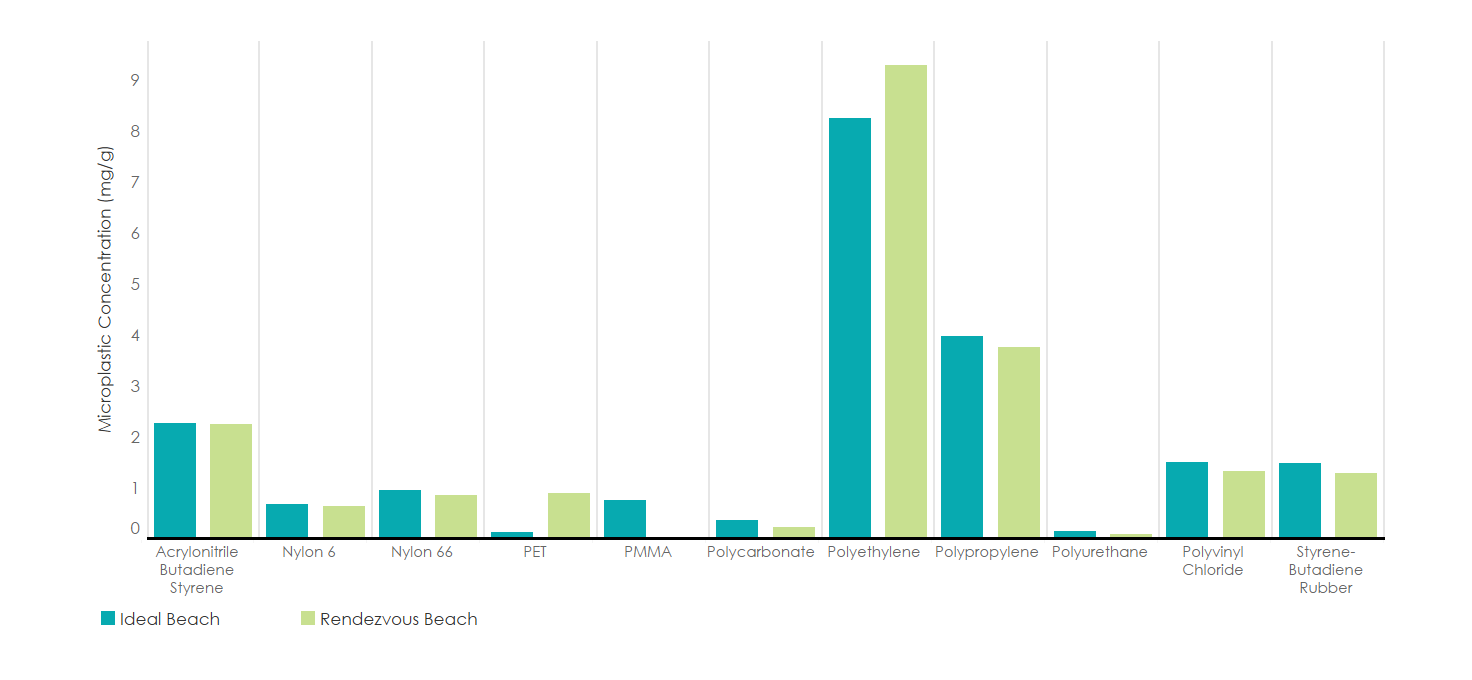
Researchers from the Utah Water Research Laboratory sampled lake water and beach sediment around Bear Lake to measure nanoparticle pollution. Zinc oxide and copper oxide particles were detected near major beaches, with the highest concentration recorded at Bear Lake State Park near the Marina and watercraft rental locations. These nanoparticles are likely from antifouling boat paints used to prevent corrosion. Samples from different beaches showed significant polyethylene contamination. Sage Springs Group Camp, Bear Lake State Park’s Rendezvous Beach, and Ideal Beach Resort had the highest concentrations, with one sample containing up to 10 billion plastic particles in one gram of dry lakeshore sediment. During the summer, when tourism generally increases, samples from the popular beaches—Rendezvous Beach and Ideal Beach—had higher concentrations of nanoparticles from sunscreen, but a large portion of these particles aggregate and sink down in the sediment over time.
The study found that (1) human activity did cause nanoparticle concentrations to increase over the summer; (2) more tourism caused greater contamination; (3) boats and personal care products seem to be the major contributors to nanoparticles in the lake; and (4) microplastic contamination on beaches is significant. To maintain good water quality at Bear Lake, researchers recommend that watercraft owners limit use of antifouling paints and coatings and that beaches further develop their plastic waste management plan.
Figure 5.F.1 Bear Lake plastic concentration sampled at Ideal Beach and Rendezvous Beach in 2024