
Glen Canyon Dam | Michelle Smith
TAKEAWAY
While cost, reliability, and emissions often dominate the debate, policymakers must also weigh social, environmental, and system design factors that shape the true impacts of Utah’s energy choices.
Utah’s Operation Gigawatt has set an ambitious goal: doubling the state’s electricity production by 2035. Meeting this target requires a careful balancing act among diverse generation sources, each carrying unique environmental and economic tradeoffs. In the short term, coal and natural gas remain reliable baseload resources, but they produce air pollution and consume water. Solar and wind are inexpensive and clean but are land intensive and require battery storage to balance intermittency. Looking ahead to longer term options, geothermal provides the promise of lower-emission baseload power but only where geologic conditions allow, requiring significant transmission investment. Nuclear offers carbon-free baseload capacity, but poses challenges in cost, permitting and development timeline, potential water use, and radioactive waste disposal.
Operation Gigawatt aims to provide electricity that is clean, affordable, reliable and secure. To succeed, policymakers must weigh not only economics, baseload capability, and air pollution but also a wide array of additional considerations regarding land use impacts, water demands, transmission requirements, grid balancing, and public acceptance. Additionally, since power demand varies throughout the day and throughout the year, they must consider both “always on” sources and dispatchable sources that can be turned off and on quickly and affordably to meet peak demands.
As a starting point for deeper evaluation, Figure 4.A.1 provides a simplified comparison across the six major electricity modalities most likely to be developed at utility scale in Utah over the next decade. At Utah State University, researchers are working with students to expand and validate this model, developing a one-stop, easy-to-understand matrix that policymakers can use to compare electricity options holistically. The goal is not to prescribe one path, but to clarify tradeoffs so that energy planning aligns with Utah’s growth, environmental limits, and long-term prosperity.
The goal is not to prescribe one path, but to clarify tradeoffs so that energy planning aligns with Utah’s growth, environmental limits, and long-term prosperity.
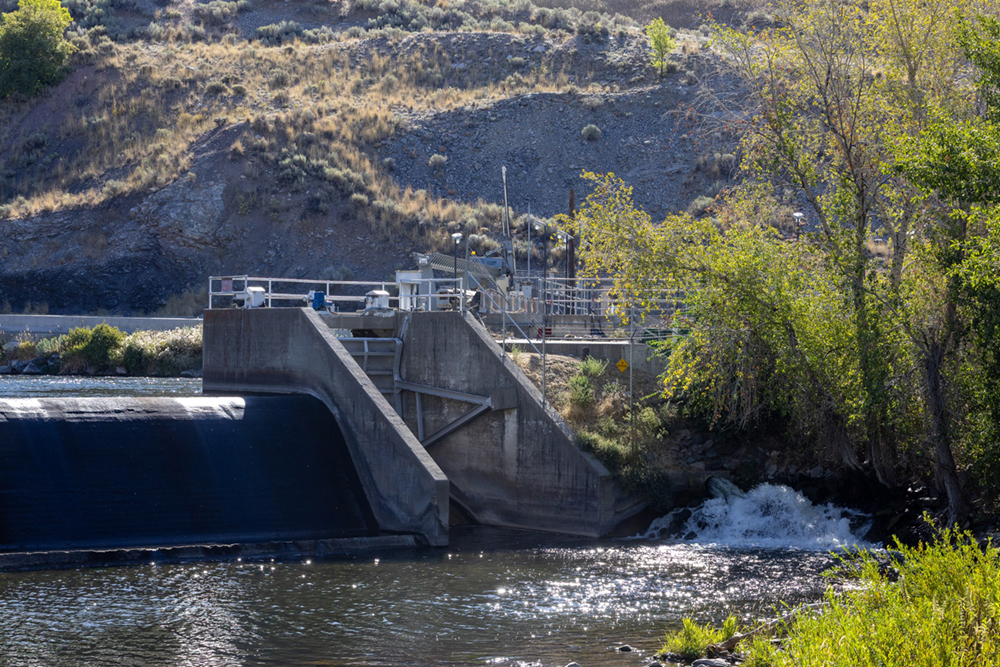
Mt Timponogos Park, Provo Canyon, UT | Aaron Fortin
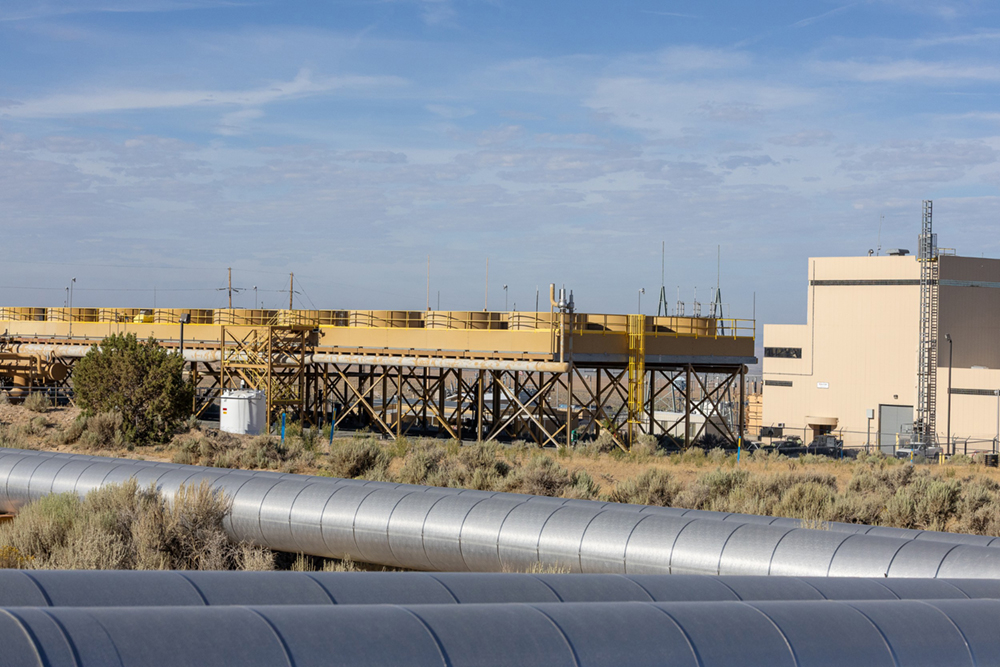
Blundell Geothermal Plant, Milford, UT | Aaron Fortin
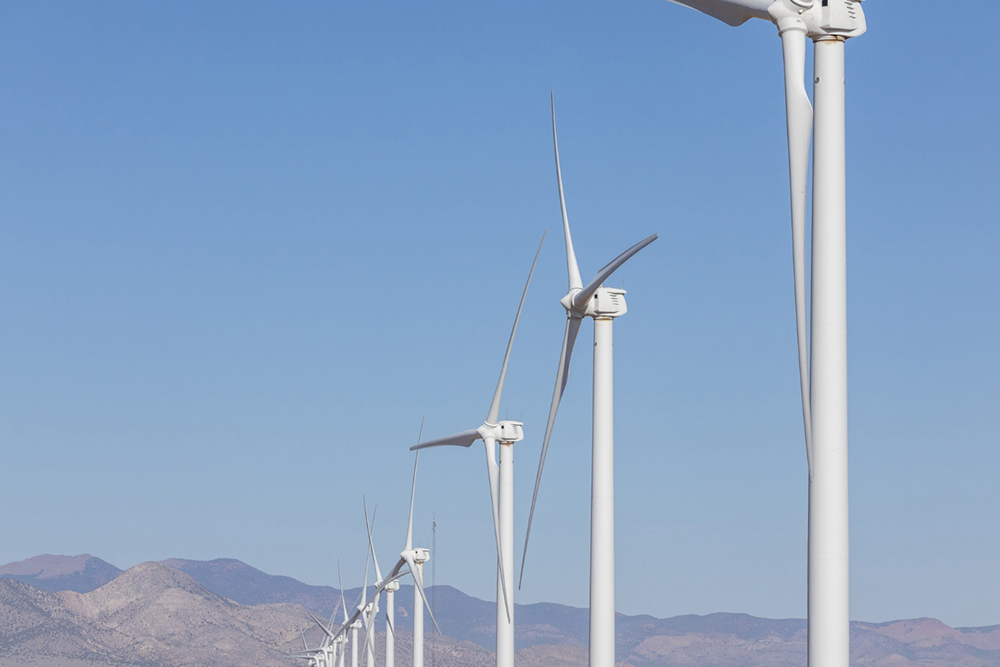
Milford Windmills | Aaron Fortin

Uranium at Utah Core Research Center, SLC, UT | Aaron Fortin
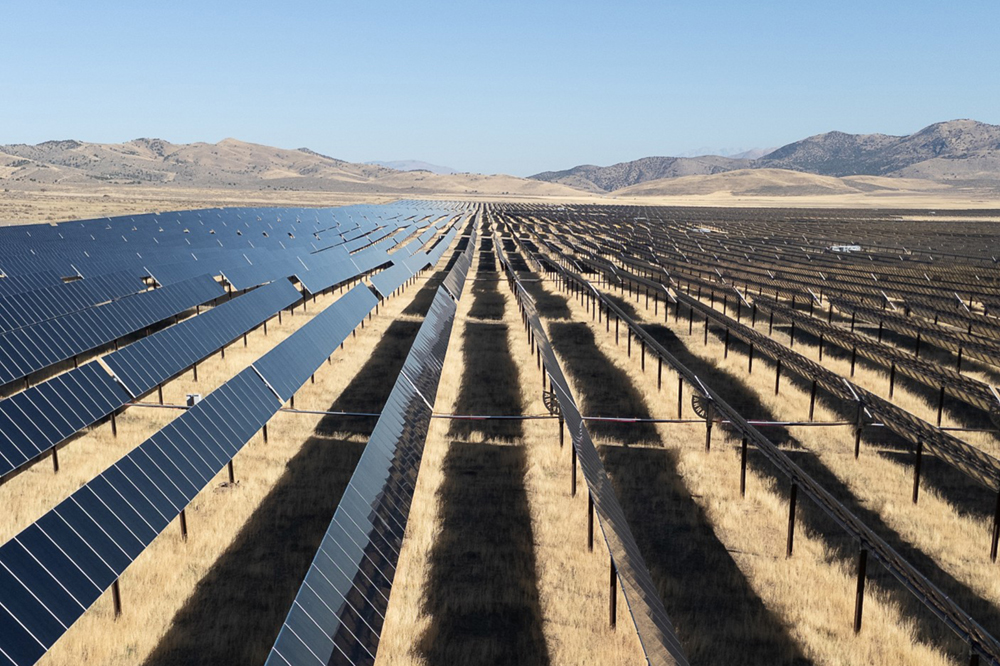
Solar Farm, Mona, UT | Aaron Fortin
Figure 4.A.1 Electricity Generation Tradeoffs
| Type | Development Cost | Baseload Capable | Dispatchable | Air Pollution | Water Demand | Land Use |
|---|---|---|---|---|---|---|
| Coal | Medium-High | Yes | Medium | Medium-High | High | Medium |
| Natural Gas | Medium | Yes | High | Medium | Medium | Medium |
| Wind | Low-Medium | No | With Battery | Very Low | Very Low | High |
| Solar (PV) | Low-Medium | No | With Battery | Very Low | Very Low | High |
| Geothermal | Medium-High | Yes | Medium | Very Low | Low-Medium | Medium |
| Nuclear | High | Yes | Medium | Very Low | Medium-High | Medium-Low |
While all thermoelectric sources can be dispatchable, some are more costly and have more environmental impacts when operated at lower efficiency.