
Richfield, UT, Center Street | Aaron Fortin
TAKEAWAY
Unique housing, transportation, and economic challenges face recreation gateway communities. How they are addressed will shape the future of Utah’s iconic landscapes and the people living in them.
Utah’s gateway communities—critical to a $9.5 billion recreation economy—face mounting challenges from growth, tourism, and limited resources, and the GNAR (Gateway Natural Amenity Region) Initiative at USU is working to help them thrive while preserving what makes them unique.
Gateway communities are the front doors to Utah’s world-class landscapes–places that attract millions of visitors each year and underpin a recreation industry contributing an estimated $9.5 billion to Utah’s economy in 2023. Sustaining that economic engine comes at a cost.
Across Utah and the West, many of these towns are being “discovered.” Once primarily destinations to visit, they are increasingly becoming sought-after places to live and work. This transition brings complex planning and management challenges–often to communities with limited budgets, small staffs, and few opportunities to share solutions with peers facing similar pressures.
Seasonal transportation bottlenecks, affordable housing shortages, workforce retention, strained infrastructure, loss of community character, along with degradation of natural and recreational resources, are no longer occasional concerns—they are defining issues. How gateway communities address them will shape the future of both Utah’s iconic landscapes and the people who call these places home.
The GNAR Initiative, launched at Utah State University in January 2020, is a cross-disciplinary effort to help communities meet gateway challenges. Housed within the Institute of Outdoor Recreation and Tourism and fully-funded through grants and contracts, the GNAR Initiative’s mission is simple: “to help western gateway communities, and their surrounding public lands, thrive and preserve the things that make them special.”
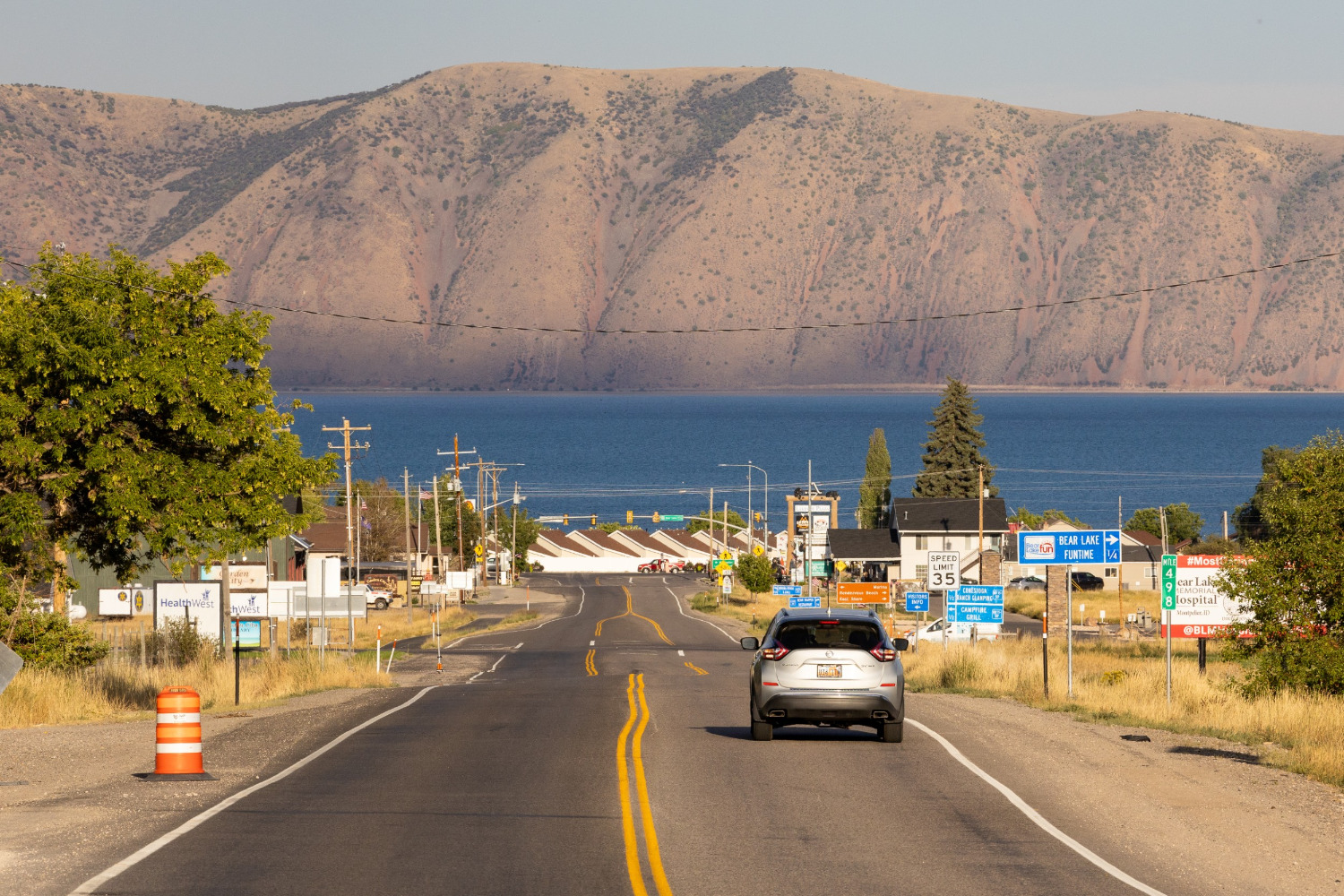
Garden City, UT | Aaron Fortin
References
- Utah State University Institute of Outdoor Recreation and Tourism. (n.d.). Gateway and Natural Amenity Region (GNAR) Initiative. https://extension.usu.edu/gnar/