
Tibble Fork Reservoir | Aaron Fortin
TAKEAWAY
Many of Utah’s aging dams provide essential water storage but pose growing safety risks, with over 100 high-hazard structures needing costly rehabilitation to protect lives and critical infrastructure.
Terms to Know
High-hazard dam: Dam where failure would likely cause loss of human life.
Significant-hazard dam: Dam where failure could damage property or infrastructure but not likely kill people.
Dams are a critical part of Utah’s water system, capturing snowmelt and runoff for household, agricultural, and industrial use. Yet many of these structures are aging, raising safety concerns that extend beyond water supply. The American Society of Civil Engineers’ 2025 Report Card for Utah Infrastructure gave dams a C+, citing the need for rehabilitation and additional storage.
Utah has 277 high-hazard dams, where failure would likely result in loss of life. More than 100 of these do not meet current safety standards. An additional 315 dams are classified as significant hazard, meaning failure could damage property or infrastructure. With Utah’s growing population, hazard creep—where potential consequences of failure increase over time—is a growing concern. The average age of Utah’s dams is 64 years, underscoring the importance of ongoing safety evaluations.
Primary risks stem from undersized spillways, inadequate outlet works, and stability issues within earthen embankments. According to Utah Hazard Mitigation (2025), a large-scale failure could flood 775 critical facilities, including schools, hospitals, police and fire stations, power plants, and airports. Hazards also exist at smaller structures, where recreational users have occasionally been trapped in strong currents below dams and have drowned.
Rehabilitation projects at Millsite (Emery County), Panguitch Lake (Garfield County), and Hyrum (Cache County) dams demonstrate Utah’s engineering expertise and capacity to reduce risks. However, funding remains a challenge. The estimated cost to repair existing high-hazard dams is $470 million. Current rehabilitation funding of about $3.8 million annually would require decades to address needs; an increase to $10 million annually would significantly accelerate progress. Continued studies on hazard creep, risk-informed decisions, and emergency planning are also needed to safeguard communities while ensuring water reliability.
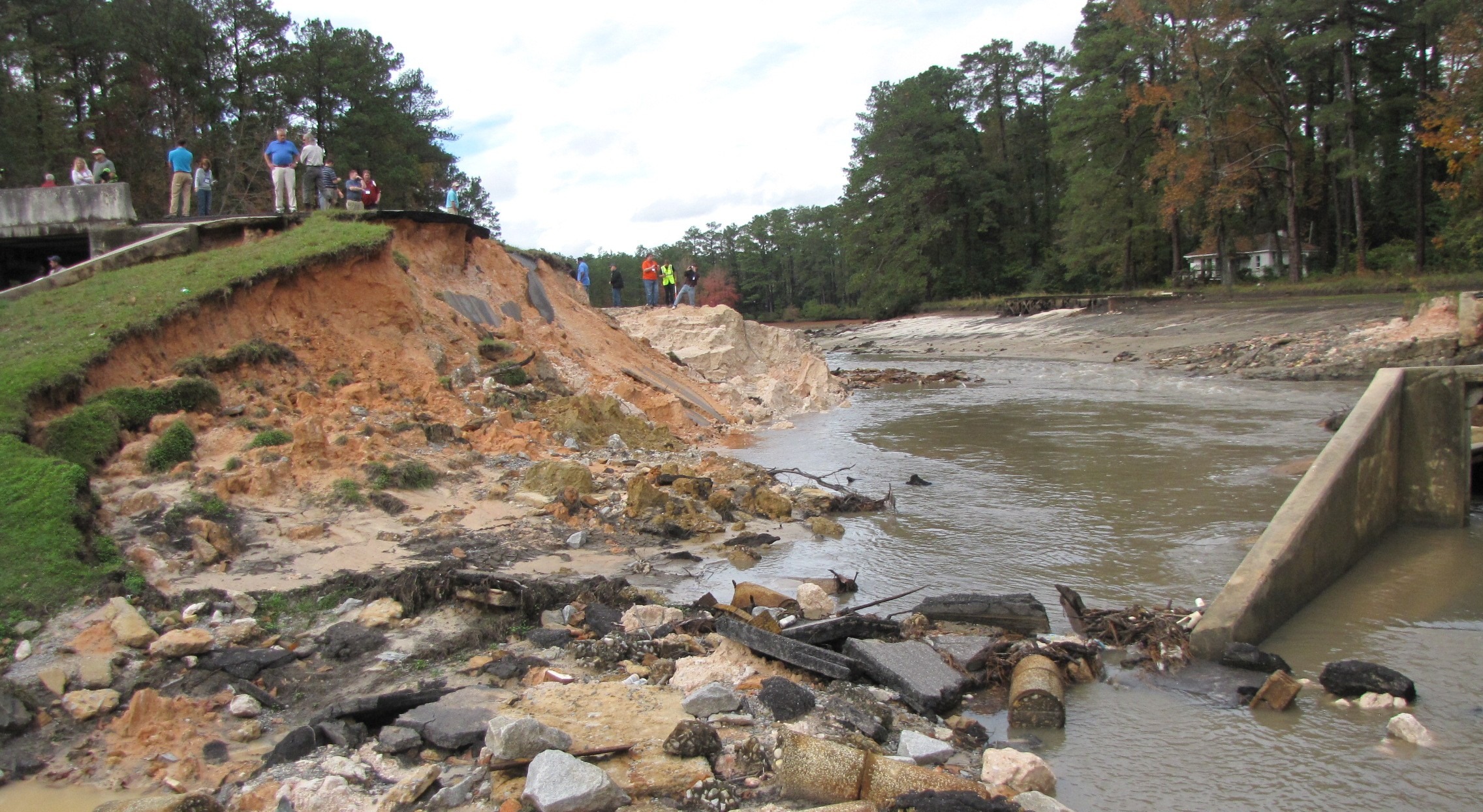
Dam Failure Due to Inadequate Spillway Capacity and Poor Embankment Integrity | Brian Crookston
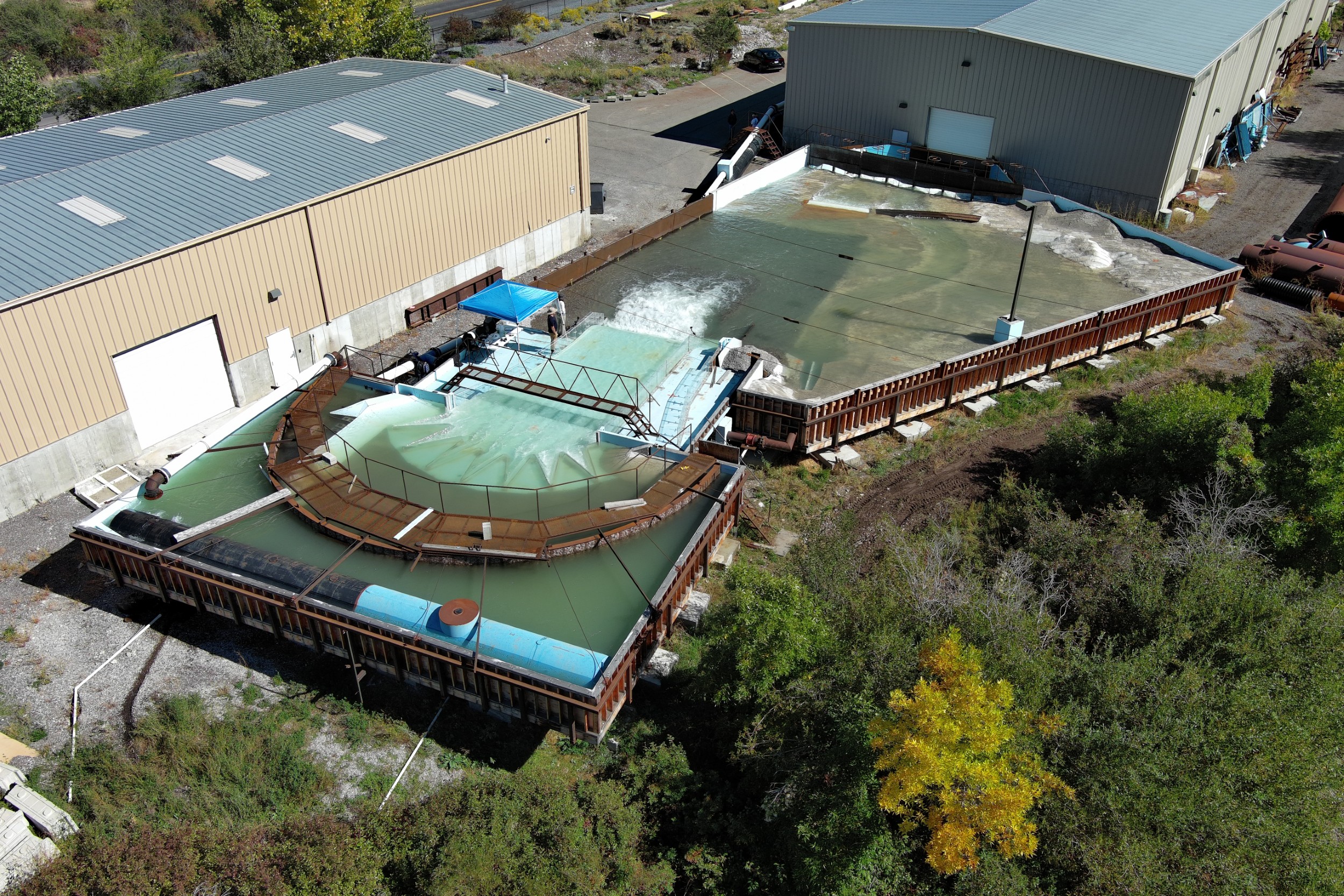
Physical Model at Utah Water Research Lab of Prado Dam, Which is Used for Flood Protection & Water Storage | Brian Crookston
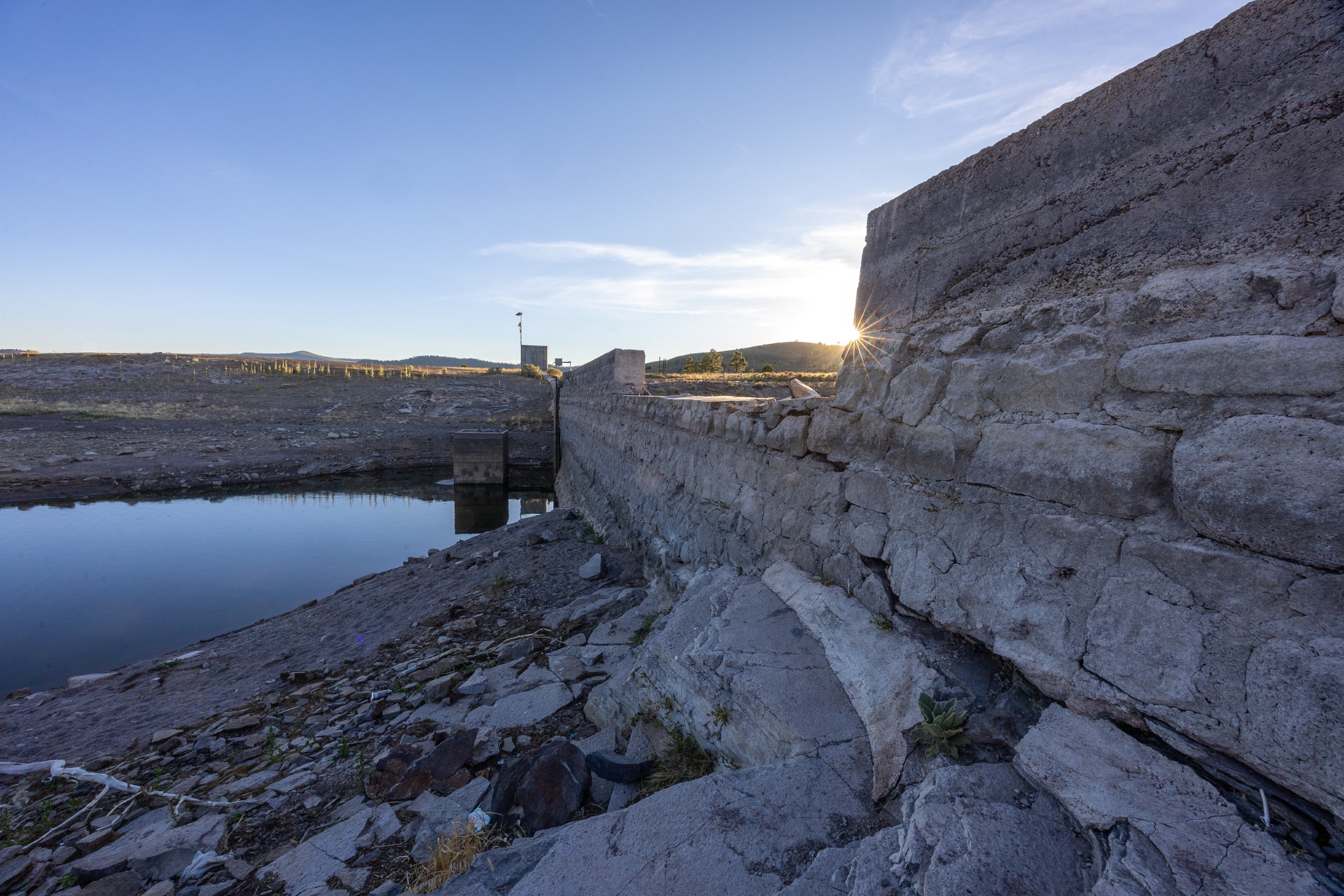
Panguitch Lake Dam, Ut | Aaron Fortin
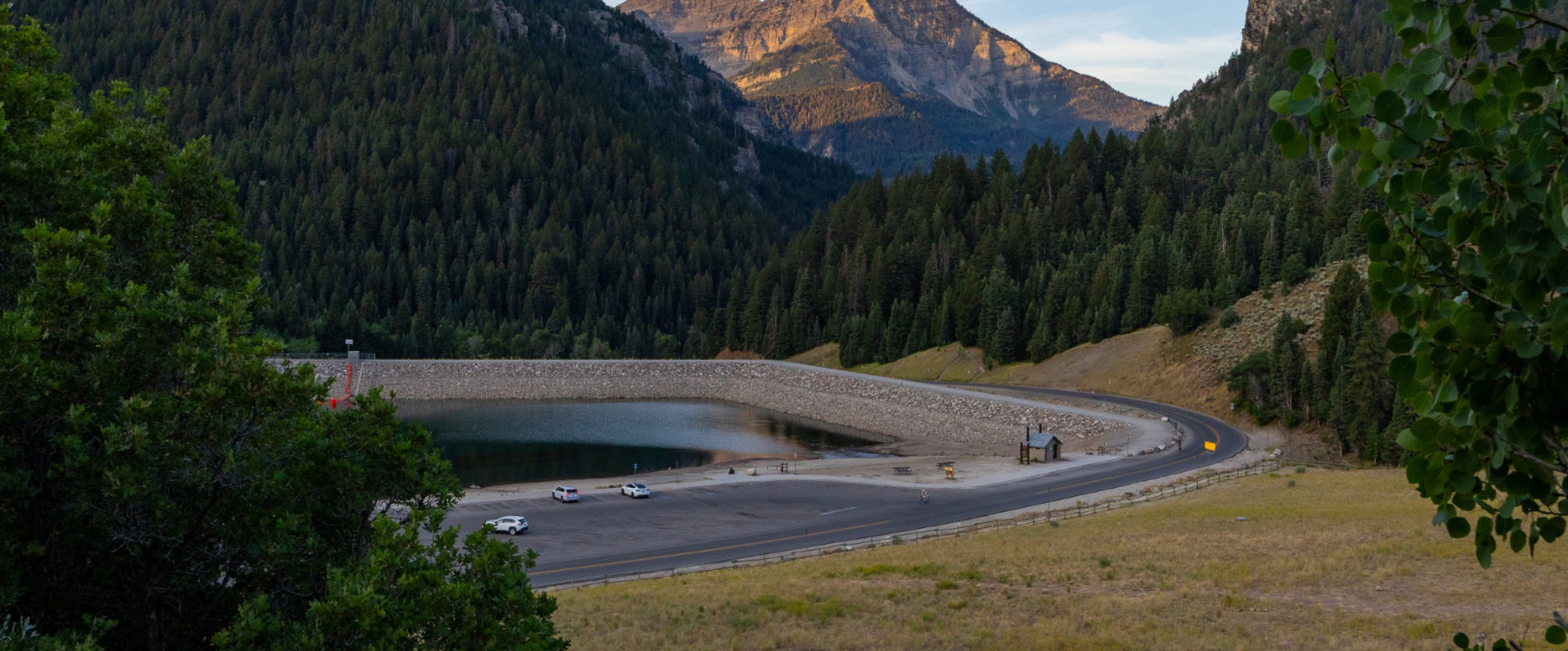
Example of a rebuilt seismically safe and compliant dam at Tibble Fork Reservoir | Aaron Fortin