
Keynote
Collaboration: From Empty Buzzword to Transformative Impact

9:00 am – 10:30 am | Mahogany/Redwood
Dr. Deb Mashek, PhD | Social psychologist and author of Collabor(h)ate
Dr. Deb Mashek is an experienced business advisor, professor, higher education administrator, and national nonprofit executive. She is the author of "Collabor(h)ate: How to Build Incredible Collaborative Relationships at Work (Even If You'd Rather Work Alone)." Named one of the Top 35 Women in Higher Education by Diverse: Issues in Higher Education, her work has been featured in outlets including MIT Sloan Management Review, The New York Times, and The Atlantic.
Previously a full professor of social psychology at Harvey Mudd College, Mashek served as associate dean for faculty development and founded the Claremont Colleges' Office of Consortial Academic Collaboration. She was the inaugural executive director of Heterodox Academy, a national nonprofit advancing viewpoint diversity on college campuses.
Mashek is the founder of Myco Consulting LLC, where she helps leaders of mission-driven organizations, philanthropists, and cross-sector partners avoid the pitfalls of complex, multi-stakeholder initiatives. She is a member of the Association for Collaborative Leadership and has been an invited speaker at organizations such as the United Nations, the Asian Development Bank, the American Psychological Association, and Fortune.
Breakout Sessions
10:45 am – 11:45 am
Building Confidence: How to Identify and Use Your Power for Good
10:45–11:45 am | Cottonwood
In order to collaborate with a team, you must be aware of who you are and what you can do for others. The purpose of this presentation is to help participants understand what undermines their confidence and power and how to overcome these obstacles to become more able to self-advocate and pursue a life of purpose and contribution. In this workshop, you will learn about what works and what gets in the way of building confidence. Through research and personal examples, you will see how power starts with a healthy sense of self but then expands to strengthen your relationships and fuel collaboration and team building. Confidence leads to more meaningful connections and a stronger community.

Kristyn Allred
Ms. Allred is the Assistant Dean for Student Affairs at the Huntsman School of Business at Utah State University. She is also the Karen Haight Huntsman Endowed Professor of Leadership. She is the Director of the Huntsman Hive, a career accelerator and connector for students, and the Director of the Freshmen Academy, a program for first-year business students.
Silent Survivors: Empowering Male Survivors to Strengthen the Anti-Violence Movement
10:45–11:45 am | Juniper
Sexual violence against men is a pervasive yet often invisible crisis, shrouded in stigma and misconceptions about masculinity. This session delves into the unique dynamics of male sexual assault, dissecting the psychological and systemic barriers that prevent men from seeking help. Attendees will learn trauma-informed strategies to better serve male survivors and create inclusive spaces for healing. Crucially, we will explore how validating male survivors' experiences is the missing link to mobilizing men as active, empathetic partners in the broader fight against sexual violence. Join us to bridge the gap between silent suffering and engaged advocacy.

Jorge Barraza
Jorge is a Program Manager at the Utah Coalition Against Sexual Assault (UCASA). In this position, Jorge trains sexual assault counselors and advocates, provides technical assistance for the thirteen rape crisis centers in Utah, and works with community partners to help prevent sexual violence. In his career, he has worked with several organizations on issues of gender-based violence, including the Utah Domestic Violence Coalition and Rape Recovery Center in Salt Lake City.
From Data to Collective Action: Leveraging Statewide Trends to Improve Adolescent Health and Safety
10:45–11:45 am | Elm
This session will explore what Utah’s latest statewide adolescent health data reveals about the risks, strengths, and emerging trends affecting youth safety and well-being. By translating key data insights into clear implications for prevention, we’ll highlight how mental health, school climate, and protective factors intersect with risk. I will discuss how to use these findings to inform more targeted, collaborative strategies within their own communities. Ultimately, this talk emphasizes how data can move us from awareness to coordinated action that strengthens and protects Utah’s adolescents.

Katie Poppler
Katie Poppler is a SHARP Project Manager at Lexicon and Line (Bach-Harrison Partner). Her experience as a social researcher has focused on adolescent well-being and the social factors that shape youth experiences. Her PhD training at Montana State University was focused on examining discrimination and mental health among teenagers nationwide. Her work continues to be committed to making research accessible and meaningful, sharing findings through publications, presentations, and mentorship.
Bridges to Change: USU’s New Treatment Program for Those Who Are Abusive Towards Their Intimate Partners
10:45–11:45 am | Willow
In 2025, the I-System Institute launched Bridges to Change, a therapeutic and skills-based program for individuals who have caused harm in intimate partner relationships. The program is grounded in MBB principles and designed to support genuine, observable, and sustained behavior change. This presentation will provide an overview of the program and include content on effectively and ethically working with those who cause harm.

Derrik Tollefson
Derrik Tollefson is a Professor of Social Work, director of the I-System Institute for Interdisciplinary Studies (home of Mind-Body Bridging). He previously was the founding director of the Master of Social Work program at Utah State University. He served as interim dean and associate dean of Utah State University’s Uintah Basin campus and as head of the Department of Sociology, Social Work, and Anthropology.

Tanya Comer
Tanya Comer is an Assistant Clinical Professor of Social Work at USU and the Associate Director of the I-System Institute (home of Mind-Body Bridging). She also directs the Mind-Body Bridging Clinic and works with clients in the Bridges to Change program. She brings her experience as a clinician, victim advocate, and familiarity with the criminal justice system to this conversation.
12:45 pm – 1:45 pm
When Privilege Becomes Power: How Utah’s Spousal Privilege Laws Exploit and Manipulate Victims Into Silence
12:45–1:45 pm | Cottonwood
This presentation discusses and explains how the spousal testimonial privilege enshrined in Utah’s constitution is used by perpetrators and defense attorneys to manipulate, control, and coerce victims in an effort to get cases dismissed. Real examples from cases will be provided to show how this tactic is used and how it exploits victims. The discussion will also include updates on efforts to change and reform the constitution to rectify this problem.

Blair Wardle
Blair is the Chief Deputy Attorney for the Box Elder County Attorney’s Office, where he has worked since graduating with honors from the University of Utah S.J. Quinney College of Law in 2012. He was named the Prosecutor of the Year three times, by two different state agencies, and is the only person to have twice received the award from the Utah Office for Victims of Crime. Blair is the current chairman of the First District Victim Rights Committee and is a former board member of the New Hope Crisis Center.
Supporting Native Survivors: Cultural Awareness & Historical Trauma
12:45–1:45 pm | Juniper
This session will focus on the historical trauma experienced by Native American communities and its lasting effects on domestic violence and sexual assault on individuals, families, and communities. The presentation will explore how these traumatic events have been passed down through generations, leading to the complex dynamics within Native families and communities today.

Nicoletta Brown
Nicoletta is a proud member of the Northern Arapaho tribe from the Wind River Reservation. Nicoletta earned a Bachelor of Science degree in Criminal Justice with an emphasis in Crisis in Criminology from Utah Tech University.
Suicidality and Intimate-Partner Violence: The Link Between Harms that Survivors Face
12:45–1:45 pm | Elm
This session will explore the prevalence of suicidality in domestic violence and sexual assault survivors. Attendees will learn why survivors may struggle with suicidal ideation and their barriers to accessing care. We will discuss unique warning signs and factors to look for in evaluating suicidality and review evidence-based practices for suicide prevention. Additionally, attendees will work with one another to practice the skills and tools covered in this workshop to build a baseline set of knowledge and comfort level with intervention.

Ashleigh Totten
Ashleigh has eight years of experience in student advocacy and violence prevention work on college campuses. Now serving as both a Victim Advocate and the Outreach and Prevention Coordinator for Utah State University, she works daily to ensure survivors are able to access the care that they need in addition to education on healthy relationships, consent, and local resources.

Kaitlin Oliver
Kaitlin has worked in a variety of roles in crisis intervention, including answering crisis line calls, working as a Mobile Crisis Outreach worker, and as a program administrator for the Utah Department of Health and Human Services. Most recently, Kaitlin works for Utah State University as a Wellness Promotion and Suicide Prevention Coordinator.
How’s That Working for You? Addressing Maladaptive Conflict Patterns
12:45–1:45 pm | Willow
When it comes to the conversations that matter most, we are often on our worst behavior, engaging in conflict patterns that are maladaptive or destructive. These kinds of maladaptive conflict patterns may be especially difficult for those who have experienced abuse or trauma, and so it is important for us as trauma-informed service providers and community members to have a basic understanding of what various conflict styles might look like—both for our clients, and for ourselves.

Daniel Westhora
Daniel Westhora graduated from Utah State University with a BA in Communication Studies and with a Certificate of Proficiency in Conflict Management & Facilitation from the Heravi Peace Institute. Daniel recently completed his 40-hour Basic Mediation training from the University of Utah and has earned an additional certification in Transformative Mediation through the Heravi Peace Institute. He now works as a Prevention Educator for CAPSA, where he teaches healthy relationship & conflict resolution skills to a variety of audiences, including K-12 students, community groups, and incarcerated individuals at the county jail, and is the recipient of this year's (2026) Educators Scholarship Award: Peacebuilders of Tomorrow from the Utah Council on Conflict Resolution.
Trauma-Informed Care in Spanish: Tools for Spanish-Speaking Therapists
12:45–1:45 pm | Cherry
Spanish-speaking mental health professionals frequently encounter barriers to accessing high-quality clinical training at English-dominant conferences. Despite serving communities with significant trauma exposure, few workshops are offered in Spanish or address the cultural and linguistic realities of providing therapy in Spanish within English-centered systems. This session is a collaborative effort to enhance the confidence of Spanish-speaking therapists in their professional practice. It focuses on addressing and navigating the language differences that arise from English-speaking training conferences and programs, providing support as they strengthen their skills and adapt to the unique needs of their clients.

Luis Rodriguez
Luis Rodriguez, LCSW, is a bilingual (English/Spanish), trauma-informed therapist who uses an anti-oppressive, strengths-based approach to support clients navigating trauma, burnout, and life transitions. His work emphasizes connection, cultural humility, and healing through reflection and storytelling.
2:00 pm – 3:00 pm
Building Collaborative MMIR Protocols: Indigenous-Led Roadmap for Utah
2:00–3:00 pm | Cottonwood
Indigenous relatives in Utah face a disproportionately high risk of violent crime compared to other demographic groups. Despite making up 1.5% of the Utah population, American Indian and Alaska Native relatives account for over 5% of all murder victims in the state of Utah. Utah ranks within the top 10 states nationally for Missing and Murdered Indigenous Relatives (MMIR), yet jurisdictional gaps and cultural disconnects persist. Drawing directly from the 2023 Utah MMIR Task Force Report, this session unpacks the Task Force’s 9 key recommendations (e.g. Tribal Response Plans, cold cases, Indigenous Data Sovereignty, etc.) and educates on MMIR historical contexts. Utah’s MMIR crisis demands collaborative protocols – let’s build them together.

Tammy Dee Platero
Tammy Dee is Co-Founder and Director of MMIR Utah, an Indigenous women-led 501(c)(3) advancing justice and data sovereignty for Missing and Murdered Indigenous Relatives of Utah. With a computer science background and experience in technical consulting, she bridges technology and advocacy. She focuses on forging pathways for Indigenous belonging while implementing Utah’s MMIR Task Force recommendations.
Underreported and Unprepared: Disability and Sexual Abuse
2:00–3:00 pm | Juniper
In this presentation, Dr. Schiwal will cover statistics relating to individuals with disabilities and their rates of victimization of sexual abuse/sexual violence. She will also address factors that contribute to these higher risks, challenges with reporting, and societal perceptions that contribute to the lack of education around this issue. Dr. Schiwal will share resources and best practices for mandatory reporters working with the disability community, as well as training and information for individuals with disabilities.

Alex Schiwal
Alex is a researcher at the USU Institute for Disability, Research, Policy, and Practice. She holds a Ph.D. from the Human Development and Family Studies Department at Utah State University (2019), with an emphasis in Adult Development and Aging. Alex studies the geographic distribution of resources for various populations (particularly aging populations), and the associated barriers and outcomes of access to resources in rural areas. She is currently working on projects about disability and health disparities, mental health, sexuality, and healthy relationships.
Relationship Violence Prevention & Intervention for Young People
2:00–3:00 pm | Elm
Whether you are a parent or someone who works with kids or teens in any capacity, it is important to learn how to teach consent and healthy boundaries in little ways. It is also important to know how to recognize and intervene when young people need help or resources to get out of an emotionally or physically harmful relationship. In this session, we plan to teach and discuss these skills so that our audience can help young people in their home or in their programs and pass these skills on to other teens so that they can help their friends.

Brent Hinsley
Brent Hinsley is the Prevention and Education Coordinator at the YCC Family Crisis Center. His primary role is heading up the Prevention Program, which goes into junior high and high schools throughout Weber County to teach students about healthy and unhealthy relationships. He has been working for the YCC for over 8 years, has his Master’s Degree from Biola University, and is also certified in QPR Suicide Prevention. Brent is passionate about giving students a strong sense of self-worth through fun activities and education. He loves going on adventures with his family and being an outdoorsman.
Beyond Compliance: Reimagining Survivor Supports through VAWA and CEDAW
2:00–3:00 pm | Willow
This session argues for moving past legal adherence toward survivor‑centered, justice‑oriented supports that integrate federal and international frameworks. Drawing on comparative case studies from the United States, Ghana, and Nigeria, the presentation examines how VAWA and CEDAW can be translated into locally grounded practices and tools for advocates and service providers. It highlights co‑created, community‑rooted approaches that center marginalized voices and weave Indigenous and diasporic knowledge into decolonial practice. The session concludes with concrete policy recommendations and practical resources designed to strengthen ethical representation, resilience, and long‑term healing for survivors.

Lady Yartey-Ajayi
Dr. Lady Yartey‑Ajayi is an Assistant Professor of Political Science and Peace Studies and a Peace Fellow at the Heravi Peace Institute, Utah State University. As a scholar‑practitioner, she teaches, conducts research, and partners with communities on gender‑based violence policy, peacebuilding and conflict transformation, international/global studies, migration, and human rights, combining theoretical rigor with practical skills.
Closing Keynote
"Lessons Learned from the Field" Speaker Panel
3:15–4:30 pm | Mahogany/Redwood
This closing keynote brings together experienced professionals with 10+ years of work supporting survivors of domestic violence and sexual assault. Panelists will reflect on their journeys in the field, sharing lessons learned, challenges faced, mistakes made, and how their approaches to collaboration and survivor support have evolved over time.
Moderated by Makayla Hancey, Advocacy Division Director, CAPSA
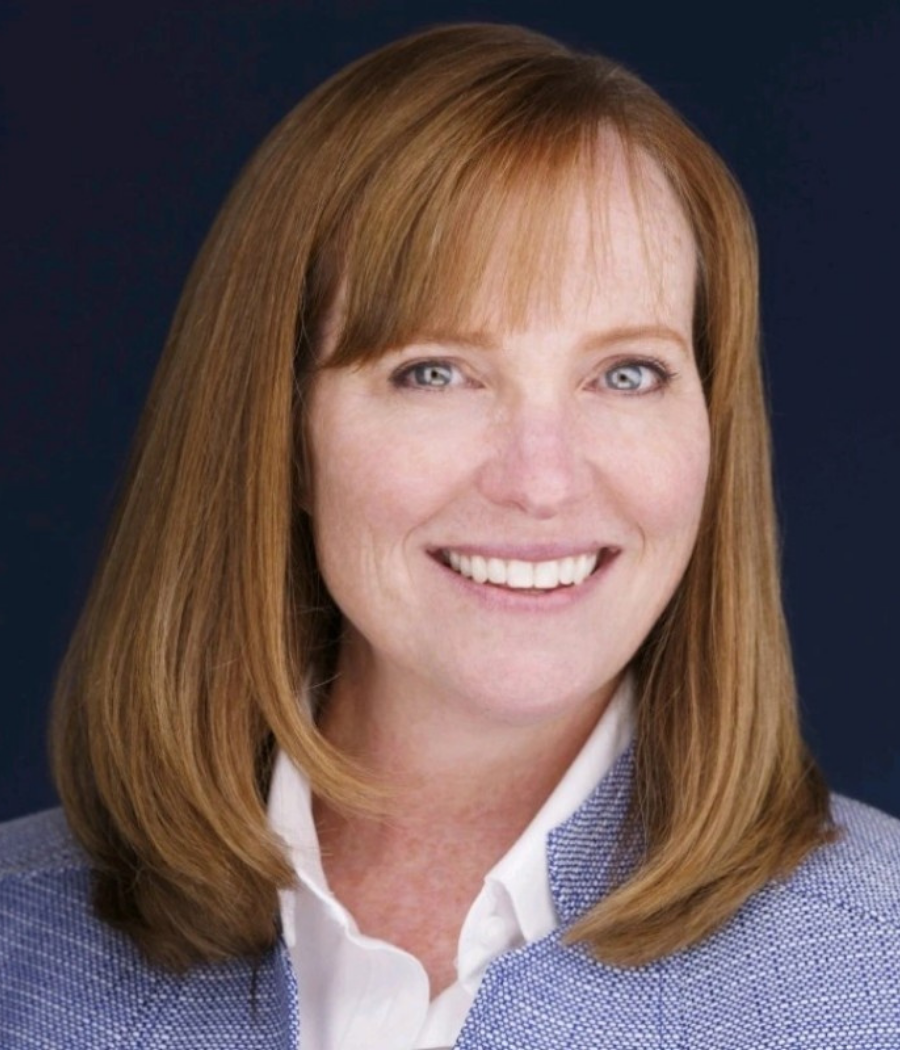
Jill Anderson
Chief Executive Officer, CAPSA (Citizens Against Physical and Sexual Abuse)
Jill Anderson is the transformative CEO and Executive Director of CAPSA, leading the organization for three decades with unwavering dedication to the rights and recovery of abuse survivors. Her leadership has elevated CAPSA to the forefront of social service agencies in Utah and Idaho, making it a leading force in domestic violence and sexual assault support. Since becoming Executive Director in 1997, she has expanded CAPSA from a single-home shelter to a comprehensive support network, providing shelter, advocacy, therapy, and support to over a thousand individuals annually. Her academic background from Utah State University and Southern Utah University, combined with her extensive experience, enables her to lead CAPSA with compassion and strategic insight, impacting countless lives and striving tirelessly to end domestic violence and sexual assault.
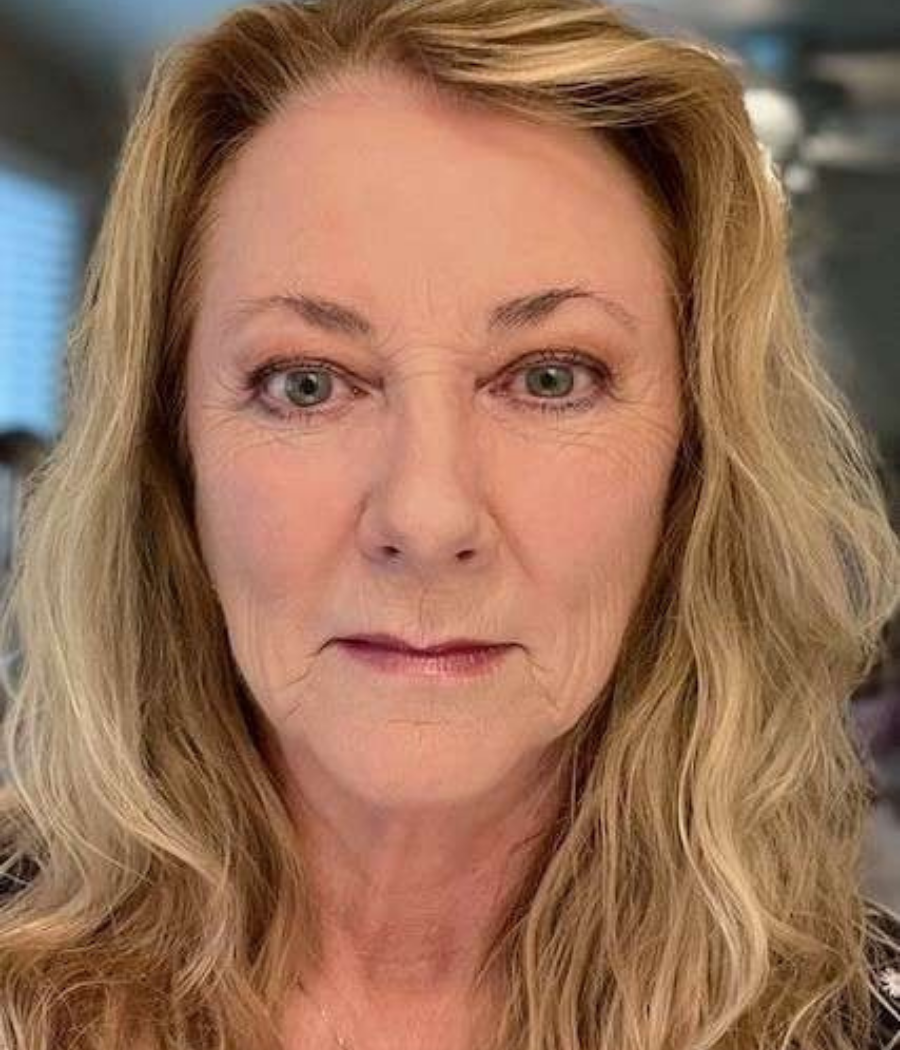
Jeanlee F. Carver, NP
CEO/Clinical Director, NUSANE/NUSAFE
Jeanlee F. Carver is a Nurse Practitioner with 22 years of experience in child abuse and neglect at the Weber/Morgan Children’s Justice Center for Primary Children’s Hospital, Center for Safe & Healthy Families. She is double board-certified in pediatric primary care and adult primary care and is a sexual assault nurse examiner certified in both pediatric/adolescent and adult assessment. Jeanlee sits on many State coalitions, committees, foundations, and councils serving victims of domestic violence and sexual assault. She is the founding CEO and Clinical Director of NUSANE/NUSAFE and continues to see patients at the Northern Utah Forensic Examination Center in Ogden, Utah. She also provides legal nurse consulting for prosecuting and defense attorneys within the Intermountain area and for the Federal Public Defender’s Office.
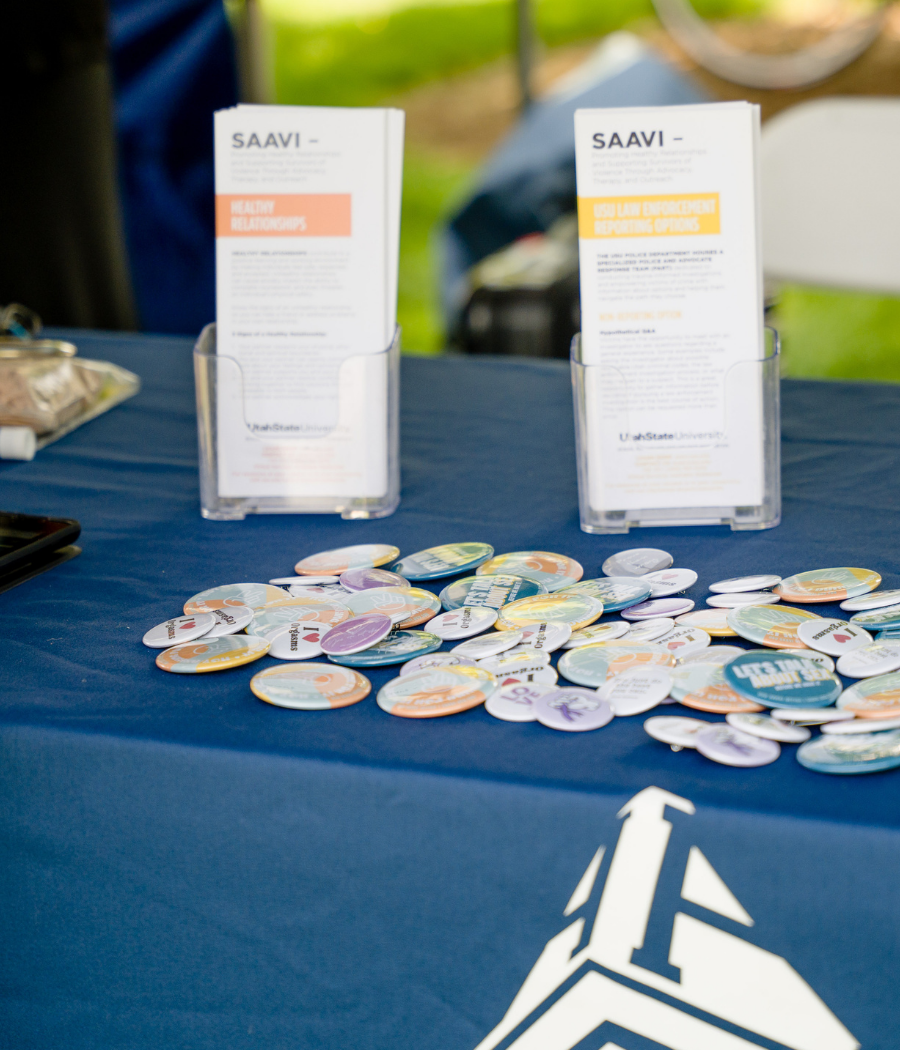
Jenny Erazo
Interim Executive Director, USU Sexual Assault and Anti-Violence Information (SAAVI)
Jenny Erazo moved to Logan in 2005 with her three young children, then ages 2, 3, and 6. She started school at Utah State University in the fall of 2006. She earned both her bachelor’s and master’s degrees in social work and became a Licensed Clinical Social Worker (LCSW). Jenny began her work with SAAVI in 2013, providing advocacy and clinical services to survivors at USU. Over the years, she has played a key role in expanding the organization’s reach, including securing grant funding to grow the SAAVI team and enhance services. Now serving as Interim Executive Director, Jenny has dedicated her career to offering trauma-informed, survivor-centered support to individuals in the USU community who have been impacted by interpersonal violence.
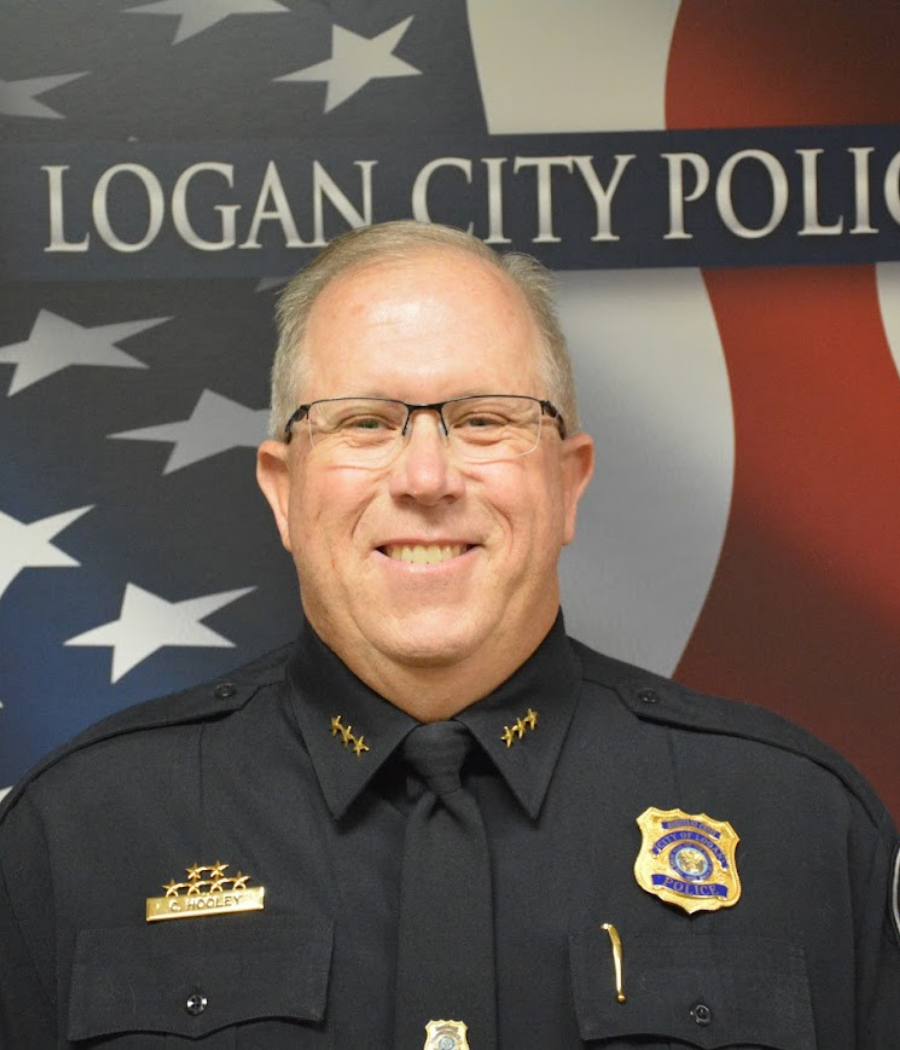
Curtis Hooley
Assistant Chief of Police, Logan City Police Deptartment
Assistant Chief Hooley is married to Michele, and they have three kids and two grandchildren. He graduated from Weber State University with a bachelor’s degree in criminal justice. He attended the Army ROTC program at Utah State University and received a commission as an officer. He served in the Utah Army National Guard in Field Artillery as a Fire Directions Officer. He joined the Logan City Police Department in March 1993, serving as a patrol officer, motor officer, Field Training Officer, and Detective. In 2005, he was promoted to Sergeant and has held various leadership positions since, most recently being promoted to Assistant Police Chief in July 2023.
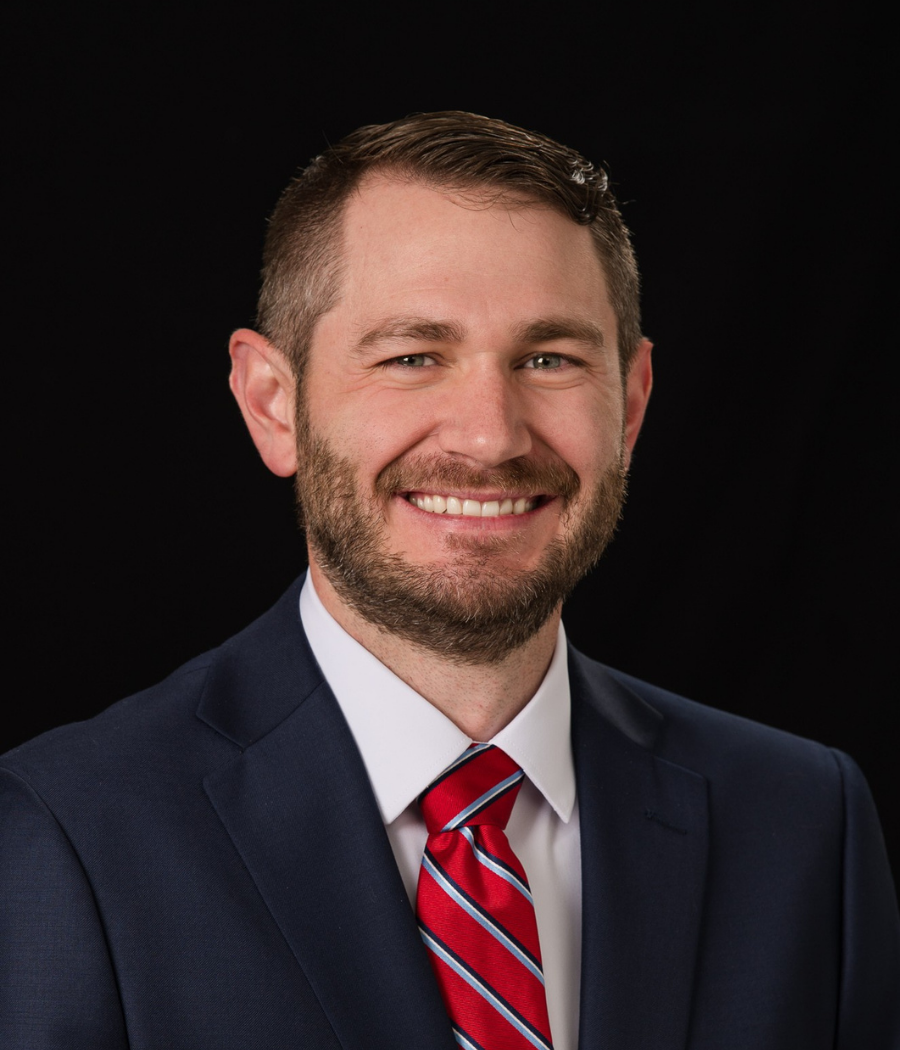
Dane Murray
Cache County Attorney
Dane was born and raised in Cache County, graduating from Sky View High School and Utah State University before attending and graduating from law school at the University of Utah. Dane started his career at the Cache County Attorney’s Office in 2015. Since then, he has served in the County Attorney’s Office as a misdemeanor prosecutor, a Violence Against Women Act Prosecutor, the Special Victims Unit Chief, the Chief Criminal Deputy, and currently as the Cache County Attorney.
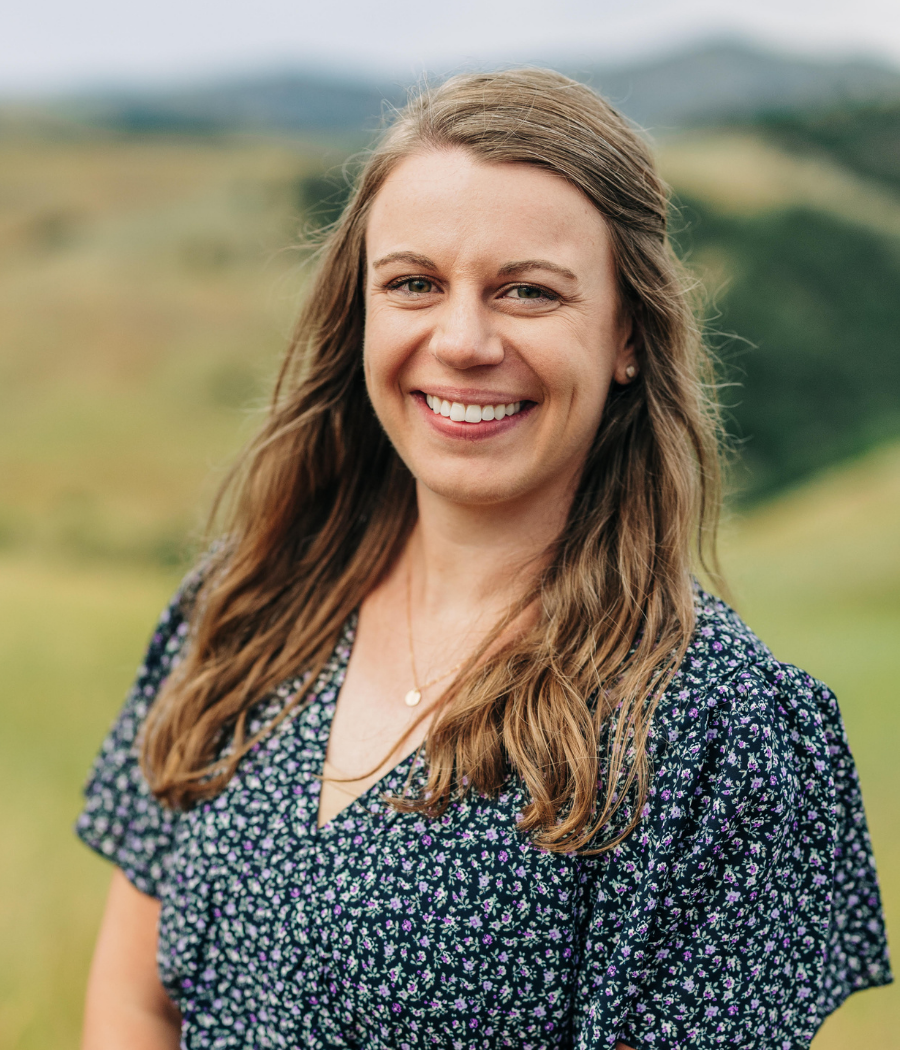
Sara Owen
Victim Services Supervisor, Cache County Attorney’s Office
Sara Owen holds a Bachelor’s degree in Social Work from Utah State University. She currently serves as the Victim Services Supervisor for Cache County Victim Services, which supports victims of crime through the criminal justice process. Sara has dedicated her career to victim advocacy and social services, previously working as a caseworker for CAPSA and as a Direct Care Supervisor at two treatment centers. Her professional background reflects a strong commitment to supporting vulnerable populations and strengthening system/community-based victim services. She is credentialed through the National Advocate Credentialing Program as an Advanced Level Credentialed Advocate.