Call From The Wild: What's Driving Wildlife Into Utah Neighborhoods This Year?
By Lael Gilbert |
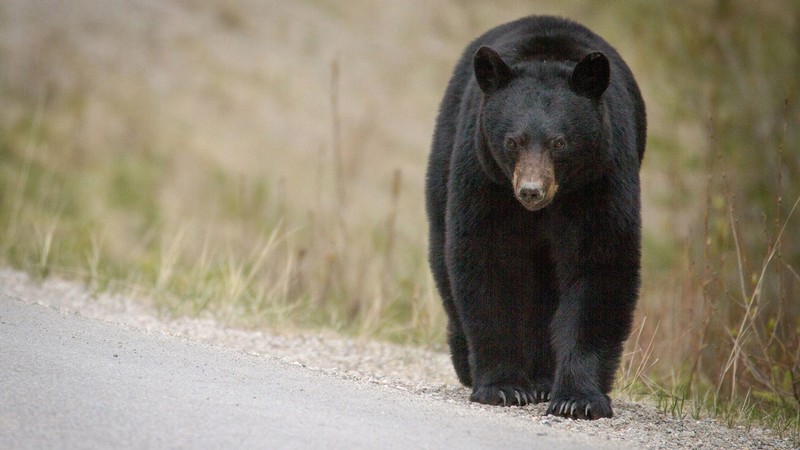
A black bear. (Photo credit: Dwayne Reilander, CC BY-SA 4.0 https://creativecommons.org/licenses/by-sa/4.0)
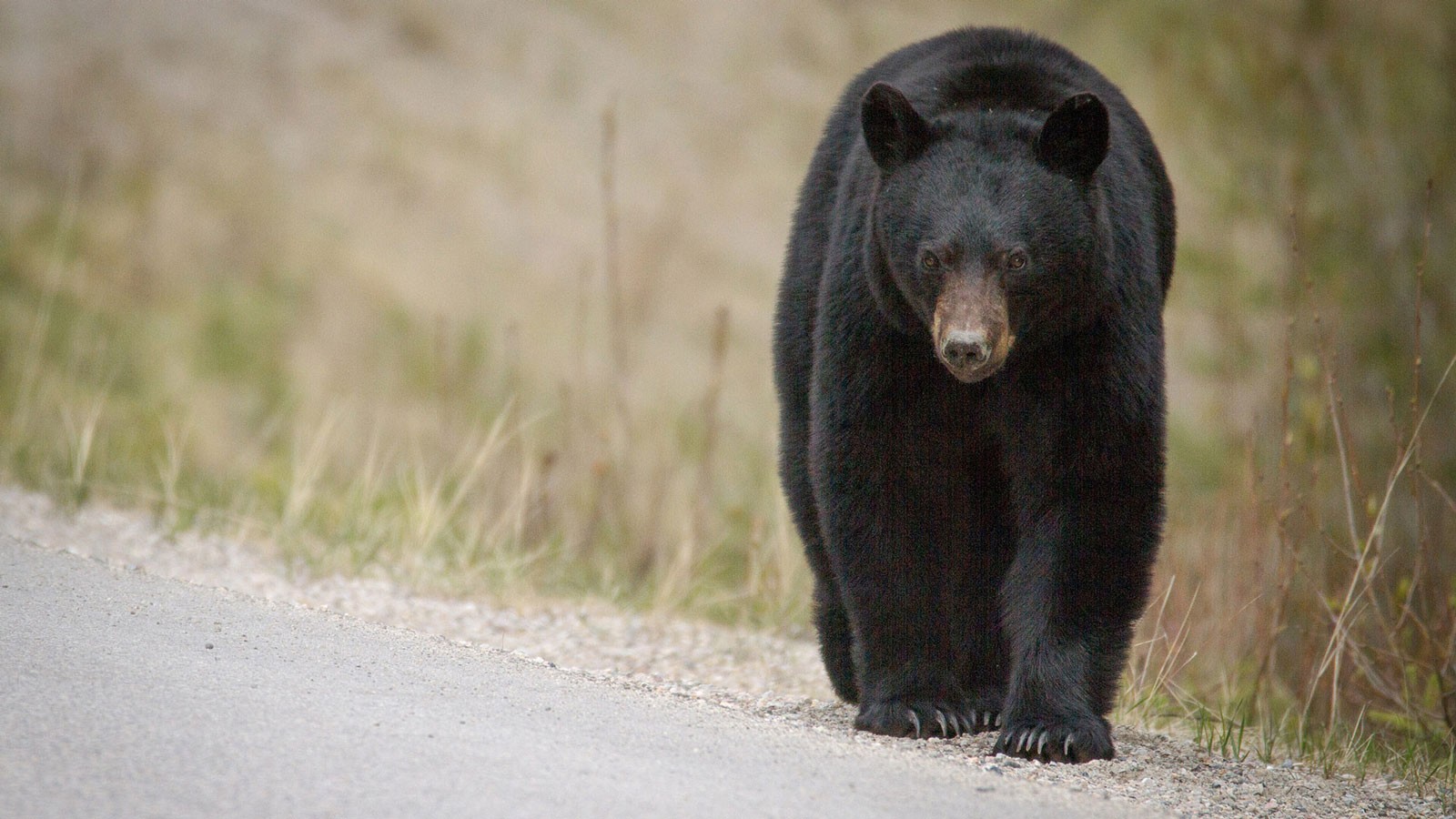
On Wednesday morning a coyote wandered onto USU’s Logan campus, spotted near the Taggart Student Center. Last week a two-year-old black bear was captured after roaming roads and apartment complexes in Logan and Nibley. Three other bears were spotted recently in urban parts of Utah County.
Coyotes and black bears are being pushed into developed areas this year for several reasons, according to David Stoner, wildlife Extension ecologist from USU's Department of Wildland Resources. Black bear sightings tend to be infrequent in Utah compared with high-conflict sites such as Yosemite National Park and Lake Tahoe, but they do happen — this year especially, because of weather conditions that began way back in March 2026.
“Last year’s record-breaking warm winter was one for the books,” Stoner said. “There are longer-term consequences for that kind of widespread weather extremes.”
Not only did the unusual winter pattern wipe out orchard fruit in the state, but the unusual March warm spell followed by an extended hard freeze also destroyed blossoms that produce essential wild foods that wildlife rely on — high-calorie seeds and fruits.
“When native food sources are impacted by this kind of erratic weather, bears are forced into towns to exploit sources like fruit trees, garbage, roadkill, barbecues and beehives,” Stoner said.
Drought is also impacting plants and other root-like vegetation that make up 90% of a black bear's diet, so they may be looking for alternate food sources, according to Faith Jolley, a spokesperson for the Utah Division of Wildlife Resources. That reduced food supply leads to more conflicts, she said, particularly an increase in incidents of bears getting into garbage and scavenging for food in campgrounds.
Coyotes live in cities and towns across the U.S., so seeing one in Logan isn’t that unique, said Julie Young, director of the Berryman Institute at Utah State University, an organization that works to understand human-wildlife interactions.
“Coyotes have flexible diets, they will eat everything from fruits and insects to deer,” Young said. “It’s a hard temptation to ignore — cities offer a steady supply of food and water that are important to prey, including rabbits and other small mammals that coyotes naturally eat. At the same time, coyotes are unlikely to be hunted by people or larger carnivores in a city — so it’s a relatively safe space to live.”
For black bears, age and inexperience were likely other factors that pushed it to explore populated areas, Stoner said. Black bears (which are only sometimes black in color in the Western U.S.; they are mostly brown or cinnamon colored) typically spend time alongside their mothers learning the skills to forage and hunt. A young bear that has recently become independent from its mother, or has been orphaned, is less adept at finding wild food and more likely to exploit human sources. Young males, especially, often wander into town by following natural corridors like creeks, Stoner said.
“There is a strong learned component to bear behavior. Nipping it in the bud is the best option to prevent ongoing problems,” Stoner said. “Wildlife officials have to manage these encounters early to prevent a permanent shift in local bear behavior.”
Wildlife experts say that intentionally feeding wildlife is almost always a bad idea and ultimately harms the animal by changing its habits. In certain places in other states, bears have even transitioned to urban areas as their primary food source, leading to significant property damage and conflict.
Prevention is a priority if you live in a bear-prone area, Stoner said — use bear-proof containers and put trash out only the morning of pickup. Clean up fallen fruit, secure beehives, and remove bird feeders during times bears are active.
Find out more about when to report a bear sighting from the DWR.
WRITER
Lael Gilbert
Public Relations Specialist
S.J. and Jessie E. Quinney College of Agriculture & Natural Resources
435-797-8455
lael.gilbert@usu.edu
CONTACT
David Stoner
Researcher
Wildland Resources Department
david.stoner@usu.edu
SHARE
Comments and questions regarding this article may be directed to the contact person listed on this page.