New UFRI Survey Indicates Clear Science Priorities for Managing Utah's Wildfires
By Lael Gilbert |
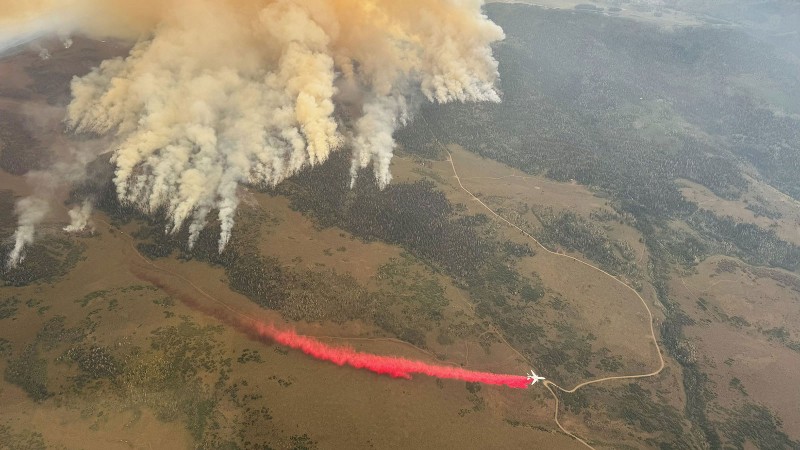
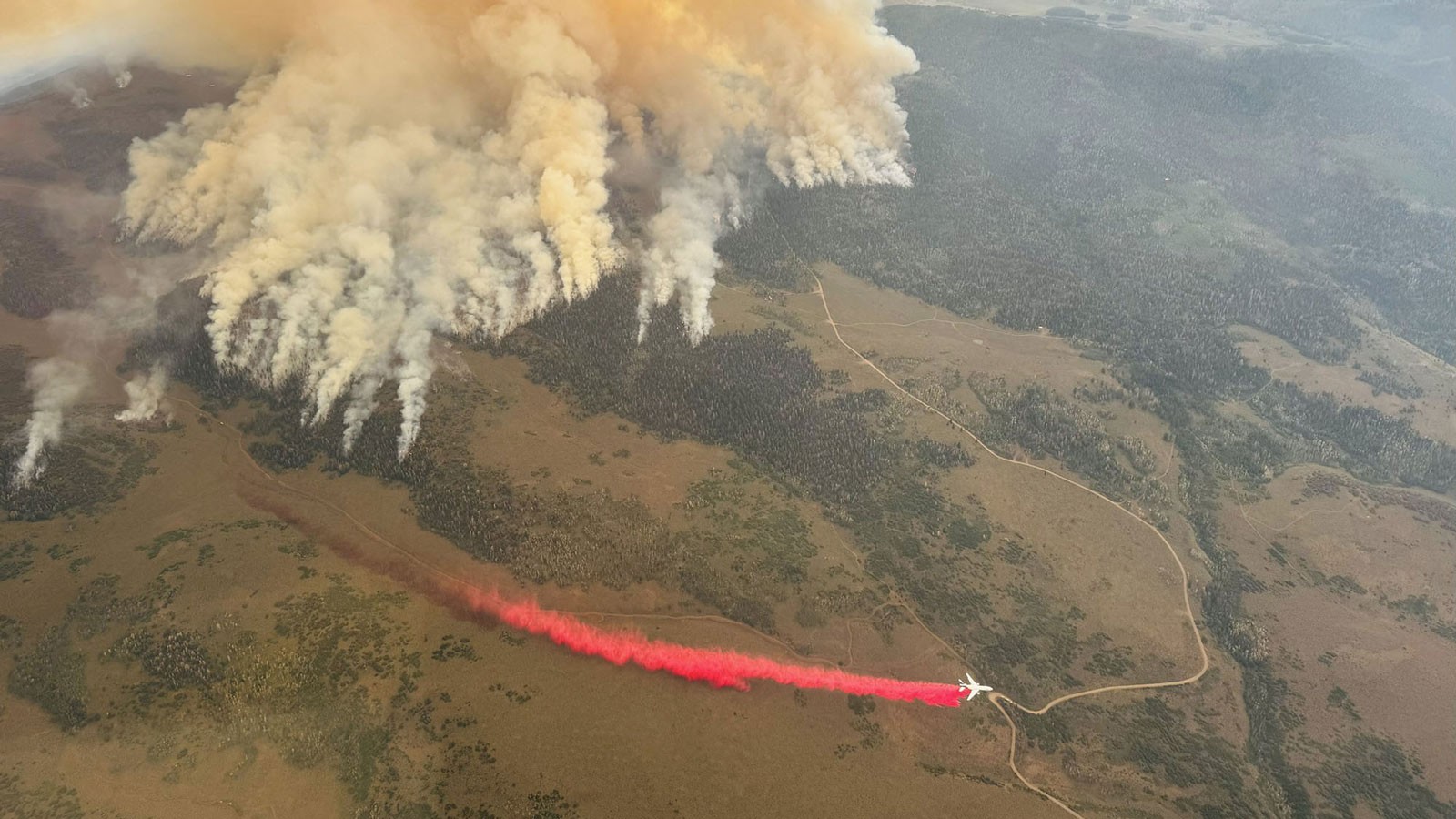
The people who care for forests in Utah need better, and more tailored, information to effectively manage wildfires in the state — that’s the message from a newly released statewide survey conducted by the Utah Forest Restoration Institute at Utah State University.
More than half of respondents to the survey said they lacked the scientific information needed to make informed decisions about Utah’s forests.
The problem is that Utah landscapes are unique, according to Catrin Edgeley, a wildfire social scientist and UFRI collaborator who led the survey. The steep slopes, deep canyons, dry landscapes, diverse plant communities, and invasive species here all complicate forest and wildfire management, creating challenges that research from other places may not adequately address.
“We need to close this gap with Utah-specific research that can give managers information to make effective, science-based decisions here,” said Larissa Yocom, director of UFRI.
Projects done to reduce wildfire used in other states — such as thinning crowded stands of small trees — may not produce the same results in Utah’s varied landscapes, Yocom said. She is pushing forward work at UFRI that will identify which approaches are best under Utah’s specific conditions.
“Many managers already have been finding creative solutions on their own, but they want science partners to document and methodically examine the effectiveness of the things they are piloting,” Yocom said.
UFRI researchers work locally to provide scientific information to managers, policymakers, and communities. The goal is to serve as a hub for research tailored to Utah’s forests and woodlands, to support healthier, more wildfire-resilient landscapes that are better able to withstand fire and recover faster after one, Yocom said.
The respondents to the survey identified top priorities for research information — fuels planning and treatment, forest health, and prescribed fire — all pointing to a need for proactive approaches that reduce wildfire risk and improve forest resilience.
Managers in the survey said they want research done to know what actions they can take before and during a fire to limit the fire’s size and exert control over spread. This might include removing low vegetation that carries wildfire between mature trees, using herbicides or grazing livestock to remove flashy fuels, building fire breaks around priority resources like communities, conducting controlled fires, or burning piles of downed wood.
“We can make it easier for them,” Yocom said, “by learning, documenting, and sharing what works and what doesn’t work well here in Utah, which will let them direct their efforts toward activities that really deliver results.”
Utah’s 2026 wildfire season was severe, burning more than 500,000 acres, marking the state's most active season since 2007. The year was characterized by a shift toward larger fires at mid-to-higher timber elevations — including three of the top 10 largest state wildfires since 2002: the Widemouth 2, Babylon, and Cottonwood fires. The impacts extended to severe post-fire flooding, damaged soils, and significant disruptions to the local ranching community.
“As our fire seasons in Utah evolve, our science must evolve too, so that managers can make the most informed decisions possible,” Edgeley said.
The survey results are already being put to good use. A team from UFRI is monitoring fuels reduction projects in Big Cottonwood Canyon to understand how the work might influence future fires, and whether it is likely to achieve the outcomes managers want, Yocom said.
Areas that received fuel treatments can also be evaluated after a wildfire burns through. This summer, UFRI crews measured burn severity in areas of the Cottonwood Fire where managers had previously reduced fuels to find out which of those treatments made a difference.
“The more local a scientific study is, the more useful Utah managers find it,” Edgeley said. “UFRI’s Utah-specific focus is perfectly positioned to contribute to this place-based science.”
WRITER
Lael Gilbert
Public Relations Specialist
S.J. and Jessie E. Quinney College of Agriculture & Natural Resources
435-797-8455
lael.gilbert@usu.edu
CONTACT
Larissa Yocom
Director
Utah Forest Restoration Institute
larissa.yocom@usu.edu
TOPICS
Research 1184stories Plants 250stories Land Management 178stories Wildland 122stories Wildfire 57storiesSHARE
Comments and questions regarding this article may be directed to the contact person listed on this page.