PBS Series 'Shared Planet' Features Riverscapes Restored by USU and Beavers, Nature's Engineers
A screening party for the Shared Planet: Waters episode and a panel discussion with wildlife biologist Nate Norman, Professor Joe Wheaton and rancher Jay Wilde is set for 7 p.m. May 27 at The Cache, 119 S. Main Street, Logan.
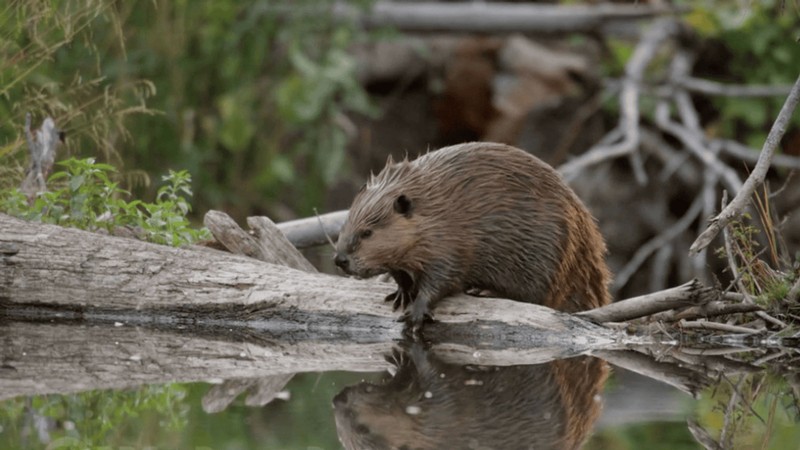
A still from the PBS program "Shared Planet."
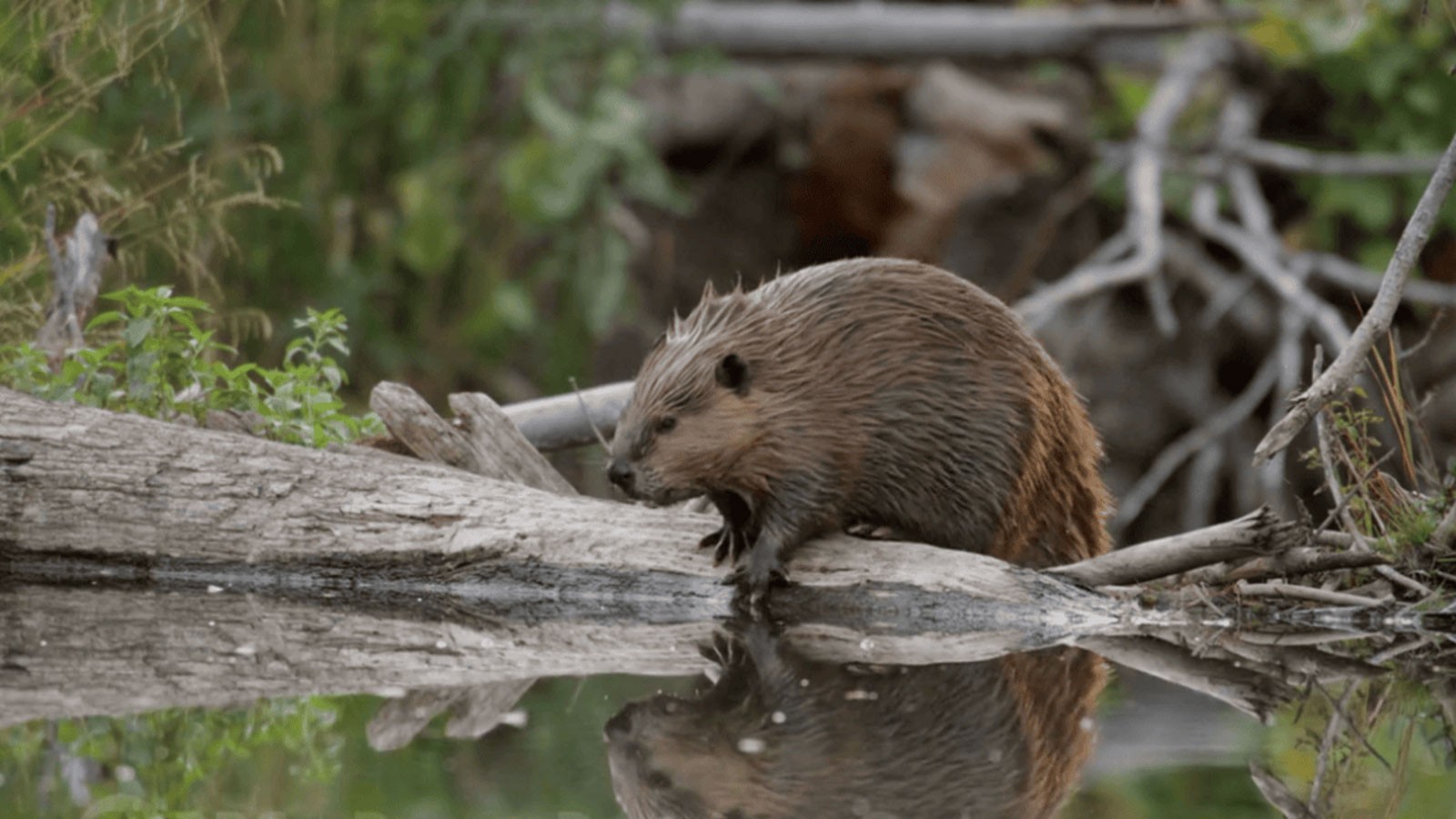
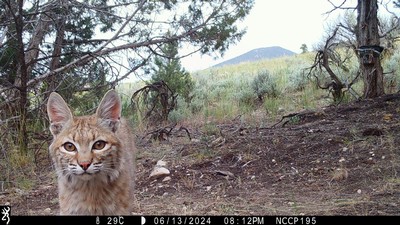
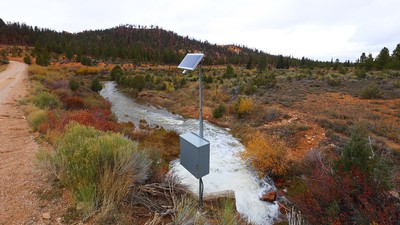
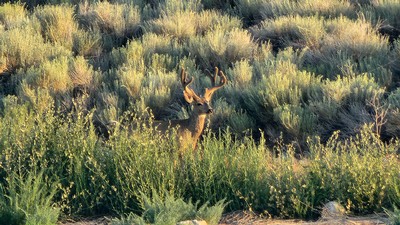
With beautiful cinematography, the PBS series Shared Planet features inspiring stories of people and wildlife flourishing together — including some in Utah and Idaho — and celebrates the unique benefits of making room for nature while offering a look at a possible, more hopeful future.
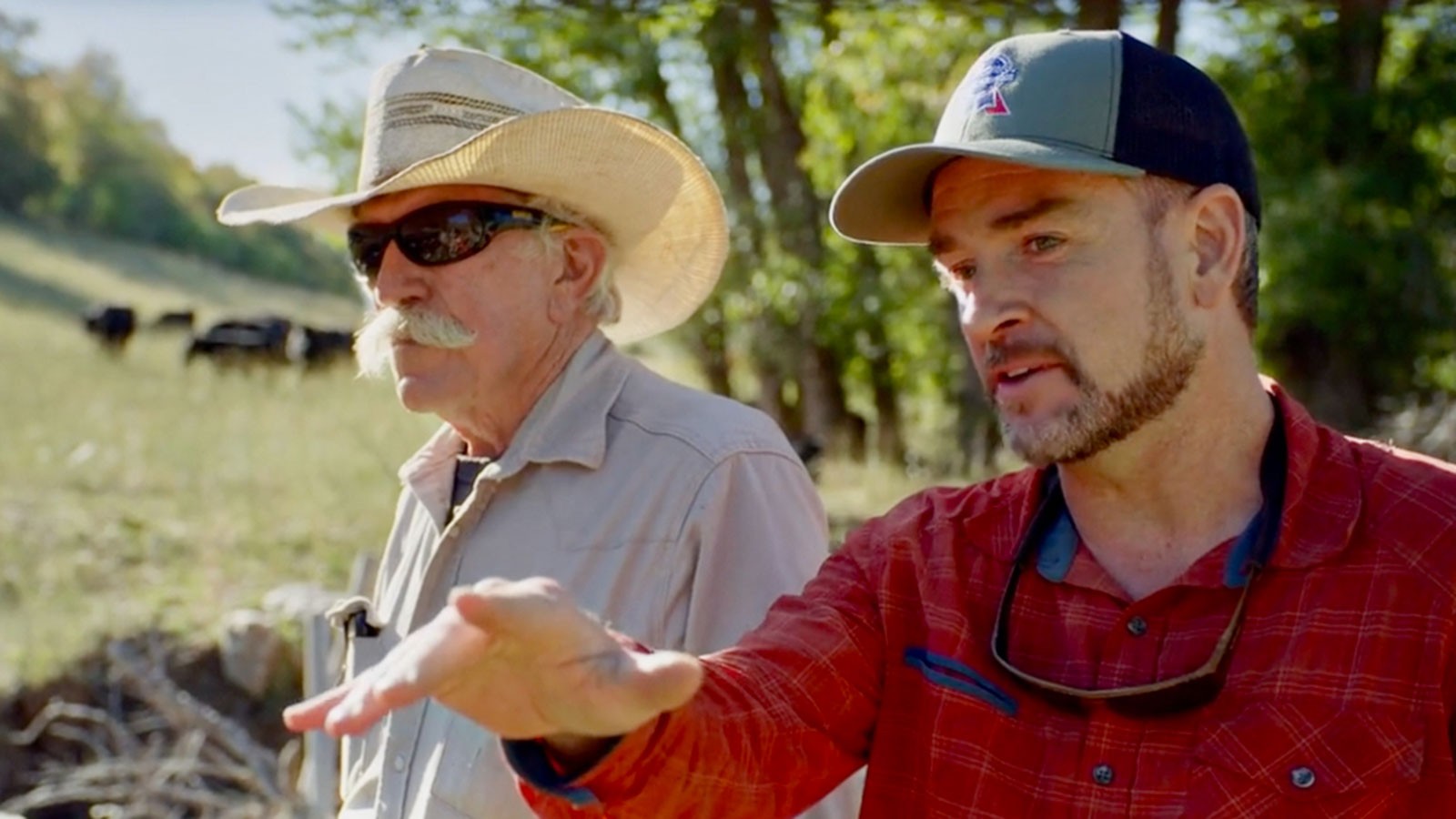
The series’ fourth and final episode, “Waters,” which premiered May 20, features segments on research in Utah State University’s Department of Watershed Sciences and scientists with the Beaver Ecology & Relocation Collaborative and their work with ranchers and land managers. The series highlights the work of Professor Joe Wheaton, Idaho rancher Jay Wilde and wildlife biologist Nate Norman, whose efforts to relocate “nuisance” beavers have helped revitalize parts of the Wilde family ranch in Franklin County by holding more water on the land.
Wheaton and colleagues’ work with beavers to improve watersheds in many parts of the West was the subject of a Utah State Today article that Wilde read at a time when he was deeply concerned about his family’s ranch, where dry creek and streambeds were remnants of waterways that had once flowed year-round. Deepening drought and rising temperatures in the region had diminished the flow until there was little to no water running on the ranch for most of the year.
It occurred to Wilde that beavers had once built lodges and dams in the area and were widely considered a nuisance, but that he had not seen any on the ranch for many years. He tried on his own to reintroduce beavers, but those efforts were unsuccessful. Wilde contacted Wheaton, who evaluated many parts of the ranch to see whether beavers might be part of a solution to Wilde’s water problems.
The key was giving beavers a safer landing spot by building structures that mimic beaver dams and providing them with choices and the protection of deeper water into which they could be released. Then, once a wet and muddy foundation had been laid by humans, eight “nuisance” beavers that had been live-trapped with the Idaho Department of Fish and Game were released into Birch Creek.
“What excited me when Jay contacted us was that here was a rancher on a creek like tens of thousands across the American West who had come to the conclusion himself that beavers might be part of the solution,” Wheaton said. “And he had already done all the really hard work of improving the grazing management so the vegetation conditions along the creek were such that beavers could thrive and have plenty to work with.”
Shared Planet also features the work Norman and colleagues at the Beaver Bunkhouse do to relocate beavers that might otherwise have been killed. While beavers can damage trees, roads and irrigation systems, in the right areas they can also provide many ecological benefits.
At a site a few miles south of USU’s Logan campus, students and members of the public volunteer to keep the Beaver Bunkhouse efforts alive and work with scientists to support relocating beavers to degraded rivers and surrounding ecosystems. To ensure all beavers are healthy before being relocated, they are given health checks and held safely for 72 hours before being introduced to a new area. See more about the work at the Beaver Bunkhouse here.
Wheaton said the work that Wilde, natural resource agencies, volunteers, students and his own team have done has been a catalyst for rehabilitating riverscapes across the United States and in Canada and Europe.
“Jay’s story has motivated ranchers not just here in the American West, but everywhere from New Mexico to Alberta, and farmers from Kansas and Nebraska to the French countryside,” Wheaton said.
Among the things people generally do not understand about beavers is what motivates them to do the remarkable work they do. It is not just about building or being “busy as a beaver.” It is about individual and family safety. Beavers are easy prey when they are waddling around on land, but they are agile swimmers, and deep water lets them escape predators.
Wheaton said he came away from Shared Planet with a new understanding of the process and an appreciation for the time it requires. Getting shots just right and from different angles means filming for hours when only a few seconds will appear in the final film.
“Knowing how long it takes to do meticulous science to get that one crucial finding and then present it concisely made it fun to see how much intentional thought and work goes into a filmmaker telling their story,” Wheaton said.
Shared Planet is available on all station-branded PBS platforms, including PBS.org and the PBS app, which is available on iOS, Android, Roku, Apple TV, Amazon Fire TV, Android TV, Samsung Smart TV, Chromecast and Vizio.
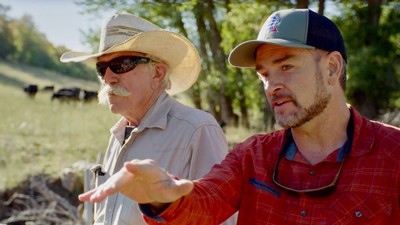
A still from the PBS program Shared Planet.
CONTACT
Lynnette Harris
Marketing and Communications
S.J. and Jessie E. Quinney College of Agriculture & Natural Resources
435-764-6936
lynnette.harris@usu.edu
Joe Wheaton
Professor and Fluvial Geomorphologist
The S.J. & Jessie E. Quinney College of Agriculture & Natural Resources
435-5554-1247
joe.wheaton@usu.edu
TOPICS
Water 344stories Land Management 168stories Ecosystems 152stories Animals 149stories Rivers 118storiesSHARE
Comments and questions regarding this article may be directed to the contact person listed on this page.