USU Announces Key Priorities After Collaborative Statewide Enterprise Redesign


LOGAN, Utah — Over the past eight months, nearly 800 faculty, staff, students and community members from across Utah State University and throughout the state of Utah have engaged in a robust review and redesign of USU’s Statewide Enterprise.
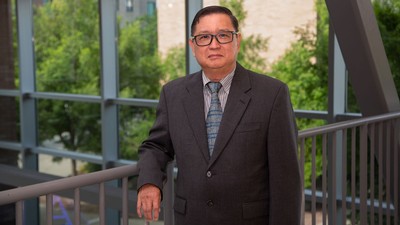
The vision was led by the USU Statewide Enterprise Co-Design Council, alongside Senior Vice President for the Statewide Enterprise, Kenneth L. White. The ultimate goal of the redesign is to allow USU to more fully live its land-grant mission in every county and serve our widely diverse communities.
Below is a summary of the key priorities that have emerged that will guide USU’s efforts to deepen its land-grant mission, strengthen community impact, and increase relevance in every county.
Top Priorities for Action
Community-Engaged Programming & Partnerships
USU will expand programs that respond directly to local needs, strengthen community and industry partnerships, and increase opportunities for student learning through research, internships, and engaged scholarship. Campus research, academic programs, and Extension work will be more closely tied to the unique identities, challenges, and strengths of the communities USU serves.
Lifespan Engagement with USU
From early access through career readiness and beyond graduation, USU will build more seamless pathways, align programs with workforce needs and expand lifelong learning. The aim is for every learner in Utah to feel connected, prepared, and supported at every stage of their learning and working life.
Data-Driven Planning & Scalable Implementation
Decisions will increasingly rely on data and continuous feedback. USU intends to measure impact, monitor relevance, and adapt programs to ensure they are accessible and effective statewide. This includes growing in-house capacity — hiring and integrating data professionals — and scaling what works.
Integrated Systems, Adaptable Infrastructure & Student Support
USU will invest in infrastructure, both physical and organizational, that fosters innovation, community connection and student success. Already underway is new housing at USU Eastern, and planning for expanded student housing in areas where access is limited by cost or availability. Research capacity and student services will be strengthened as hubs of support and engagement.
A New Budget Model for Impact
A financial model is being developed which links allocation of resources to student success and community outcomes. It aims to ensure equity, especially for rural, tribal and underserved communities, and to encourage innovation and collaboration. The new model will simplify complexity and foster clearer coordination among academic units, campuses, and community partners.
Faculty & Staff Investment and Engagement
Recognizing that people are at the heart of USU’s mission, this priority focuses on clarifying roles, expanding opportunities for growth and leadership, and empowering local decision-making. The Co-Design Council and other governance structures will play a critical role in ensuring faculty and staff throughout the state have voice, leadership, and connection to regionally relevant work.
“This work marks a turning point and a new chapter for USU,” White said. “It positions us as a national model for how a modern land-grant university can drive access, workforce alignment, and community impact. More importantly, it reflects the ideas, hopes, and commitments you shared throughout this process. Look for ways to become involved as we move these things forward. We are building a future where every community in Utah sees and feels the impact of Utah State University.”
In the coming months, USU will release more detailed plans including timelines, specific initiatives and opportunities for involvement. Key action items will include community events, pilot programs, expanded partnerships and invitations for feedback and collaboration.
###
CONTACT
Dana Rhoades
University Marketing and Communications
435-722-1788
dana.rhoades@usu.edu
SHARE
Comments and questions regarding this article may be directed to the contact person listed on this page.