USU Releases 2025 Campus Climate Survey Results on Sexual Misconduct
Utah State University has released the results of its 2025 campus climate surveys on sexual misconduct for students and employees. The fifth student survey and third employee survey indicate high awareness of reporting options and overall decreases in several forms of self-reported sexual misconduct since 2023.
The surveys were administered online from March 31 to April 21, 2025. They asked about participants’ knowledge, perspectives and experiences related to sex-based discrimination and sexual misconduct, including sexual harassment, sexual assault, sexual exploitation, relationship violence and sex-based stalking. Following current best practices, questions focused on experiences since May 2023 or since participants became students or employees at USU, whichever was more recent, and included questions about retaliation related to sexual misconduct.
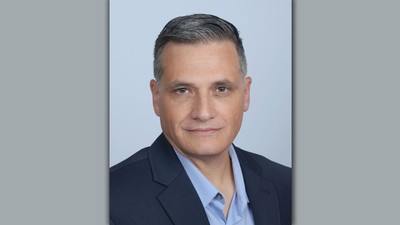
“These surveys give us a clearer picture of how campus climate is changing over time,” said Cody Carmichael, USU’s Title IX coordinator. “The 2025 data help us understand not only where sexual misconduct is occurring but also how students and employees experience retaliation and workplace incivility, so we can focus our training, outreach and resources where they are needed most.”
In 2025, 2,303 students completed the survey, an overall response rate of 11%. A total of 1,446 employees participated in the employee survey, resulting in an 11.6% response rate. All undergraduate, graduate and professional students ages 18 and older, including all benefits-eligible and wage employees, at USU campuses and locations statewide were invited to participate.
Among employee respondents, most reported a strong sense of safety and confidence in USU’s response. Nearly all said they feel safe on their USU campus. Large majorities said they believe the university would respond appropriately to sexual misconduct reports, take those reports seriously, take prevention training for employees seriously and that they are aware of the Title IX coordinator as a resource for those who have experienced sexual misconduct.
Student participants similarly reported generally positive perceptions of campus safety and support. Most said they feel safe on their USU campus and believe university officials handle concerning incidents involving students in a fair and responsible manner, continuing the upward trends in perceptions documented since the first student climate survey in 2017.
Key takeaways from the 2025 reports include:
- High awareness of reporting options and procedures. Most students and employees said they know where to access help on and off campus. Among students, about two-thirds said they know how to report sexual misconduct and related retaliation and where to get help on campus and in the community. Among employees, nearly 90% said they know how to report concerns to the Title IX coordinator and understand USU’s procedures for responding to reports. This reflects a substantial increase since USU’s first campus climate survey in 2017, when just over half of student respondents said they knew where to file a formal complaint with the university about sexual misconduct, and about 30% knew what would happen if they did.
- Modest changes in self-reported experiences. Overall, student and employee respondents reported similar or slightly lower rates of most types of sexual misconduct compared to 2023, with some variation across categories.
- Strong bystander intentions. More than 95% of employee respondents said they would support co-workers who confront harmful or problematic behavior and respond in a nonjudgmental, supportive way to someone’s sexual misconduct disclosure. Student respondents reported similarly strong intentions, with more than 95% saying they would stop intimate or sexual activity when asked, ask for consent in relationships and respond supportively to a friend’s disclosure.
- Data to inform ongoing prevention work. The findings will be used to refine mandatory trainings for students and employees, inform social marketing and consent-education campaigns and support outreach to individuals and groups who may be at higher risk of experiencing sexual misconduct or retaliation.
The survey data reflect anonymous, self-reported experiences from participants rather than formal complaint or investigation numbers and provide important information about trends over time and how students and employees perceive the university’s climate and response.
Full student and employee data reports, as well as one-page summaries and prior years’ surveys, are available on USU’s Sexual Respect website.
Students and employees who would like confidential support related to sexual misconduct, discrimination or retaliation can find information about counseling, advocacy and reporting options on the Sexual Respect website or by contacting the Civil Rights & Title IX Office.
CONTACT
Cody Carmichael
Title IX Coordinator
Civil Rights & Title IX Office
435-797-1266
cody.carmichael@usu.edu
SHARE
Comments and questions regarding this article may be directed to the contact person listed on this page.