
Stakeholders Group Project Updates
The Bingham Research Center at Utah State University Uintah Basin conducts research to better understand air quality in the Uintah Basin and to support solutions that benefit the region and its communities. This work is made possible through the support of local stakeholders who contribute funding to advance research projects focused on key air quality questions.This page provides updates on the projects supported by these contributions. Each project section includes a brief overview of the research goals, current progress, and additional information for those interested in learning more. Stakeholders are also invited to provide feedback through a short survey to help guide future research priorities and ensure the work continues to address the needs of the Basin.
Please complete a brief survey to share your thoughts and feedback: Project Insights Survey
Air Chemistry and Meteorology
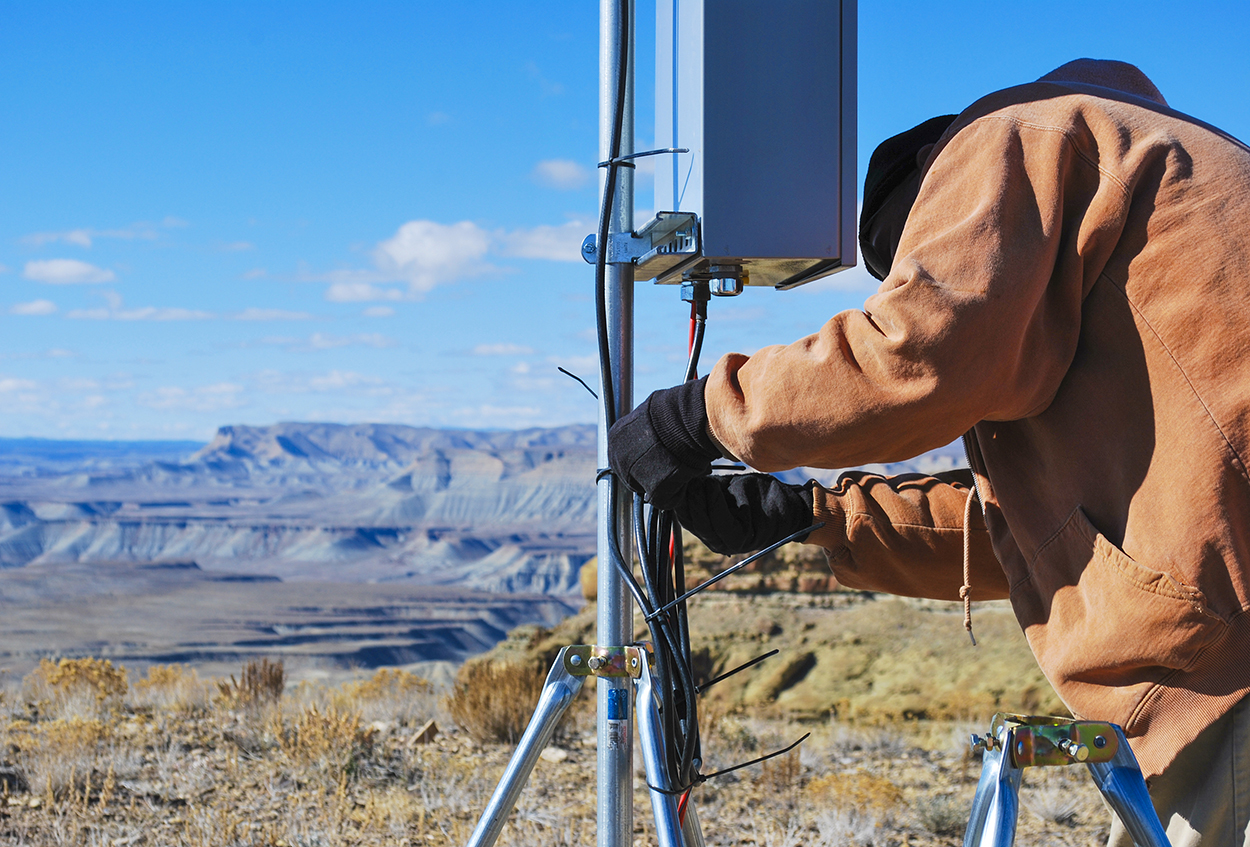
Ambient Air Monitoring Stations
Ambient air monitoring stations use specialized sensors to measure gases in the atmosphere such as ozone, nitrogen oxides, methane, and formaldehyde. By continuously sampling the air throughout the winter, the instruments help scientists understand how these gases change over time and what conditions lead to winter ozone events.
To see the data the ambient air monitoring stations are producing in real time at USU Bingham Research Center, go to our website: BasinWX
To read our project updates: Ambient Air Quality Stations Updates
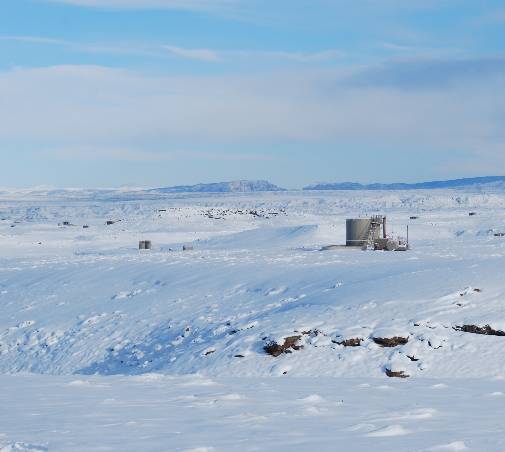
Organic Pollutant Fluxes at the Air-snow Interface
This project studies how organic pollutants move between the snow surface and the air above it. By measuring these exchanges, researchers are learning how sunlight and snow chemistry influence the release or storage of pollutants and how this process may affect winter air quality in the Uinta Basin.
To read about the project updates: Organic Pollutant Fluxes at the Air-snow Interface Project Updates
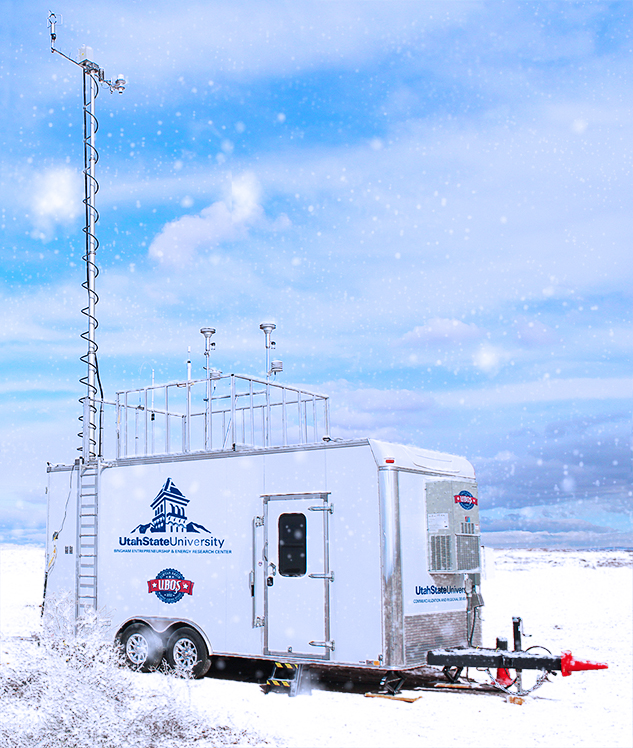
Increase Snow Cover Data Collection
Snow depth sensors are being installed across the Uinta Basin to measure how much snow is on the ground and how it changes over time. These measurements help scientists understand how snow cover influences winter temperature inversions and air quality, providing valuable data to improve forecasts and monitoring in the region.
To read about project updates: Snow Cover Data Collection Project Updates
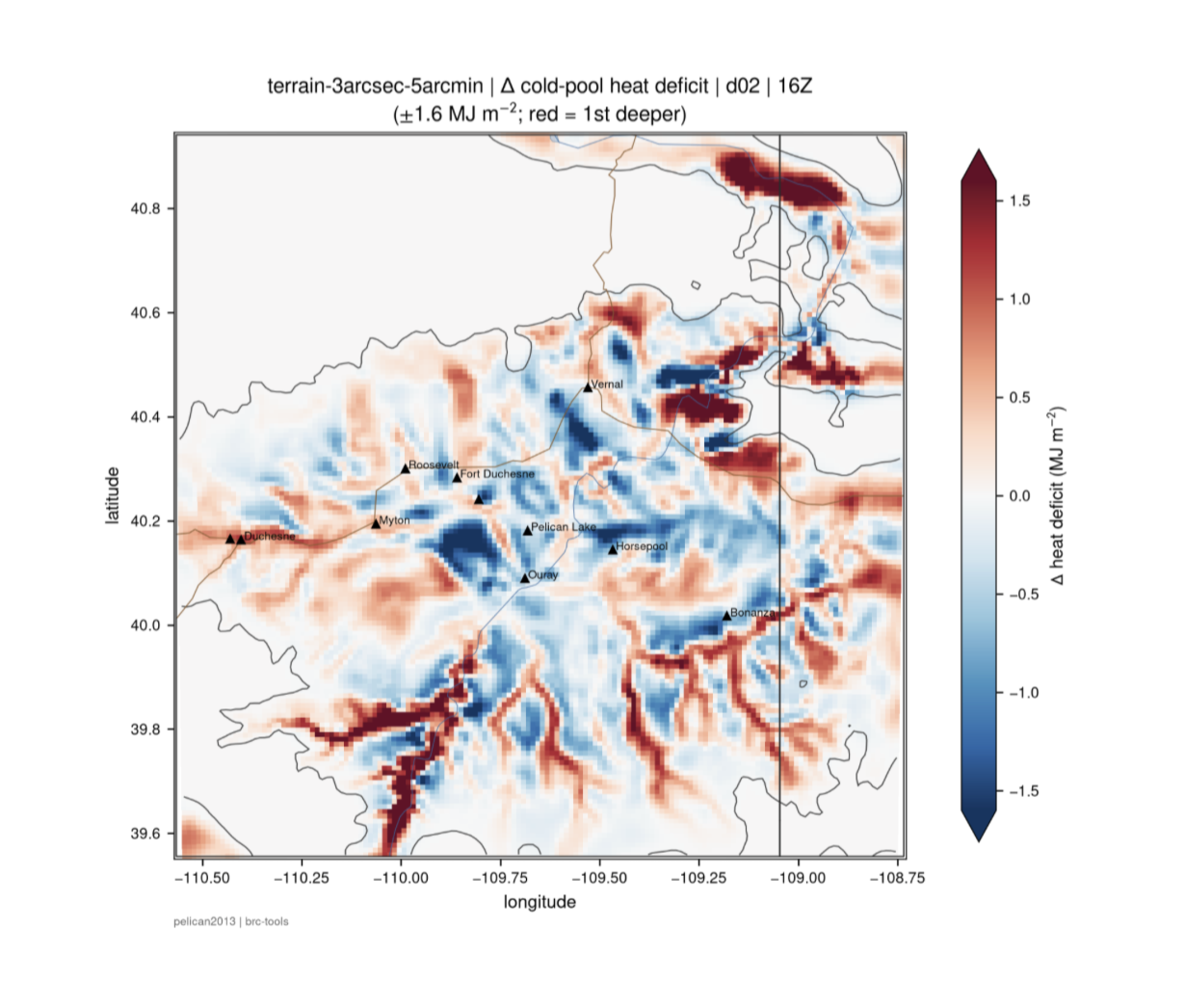
Numerical Simulations of the Uinta Basin
A recent project looks at meteorology, rather than the chemistry, of poorly simulated high-ozone cases like January 2013. The goal is to create a more faithful depiction of the atmosphere around the Basin — especially the creation of persistent cold-air pools (inversion) — to hand off for air-chemistry simulations.
To read about project updates: Numerical Simulations of the Uinta Basin Updates
Air Quality Modeling
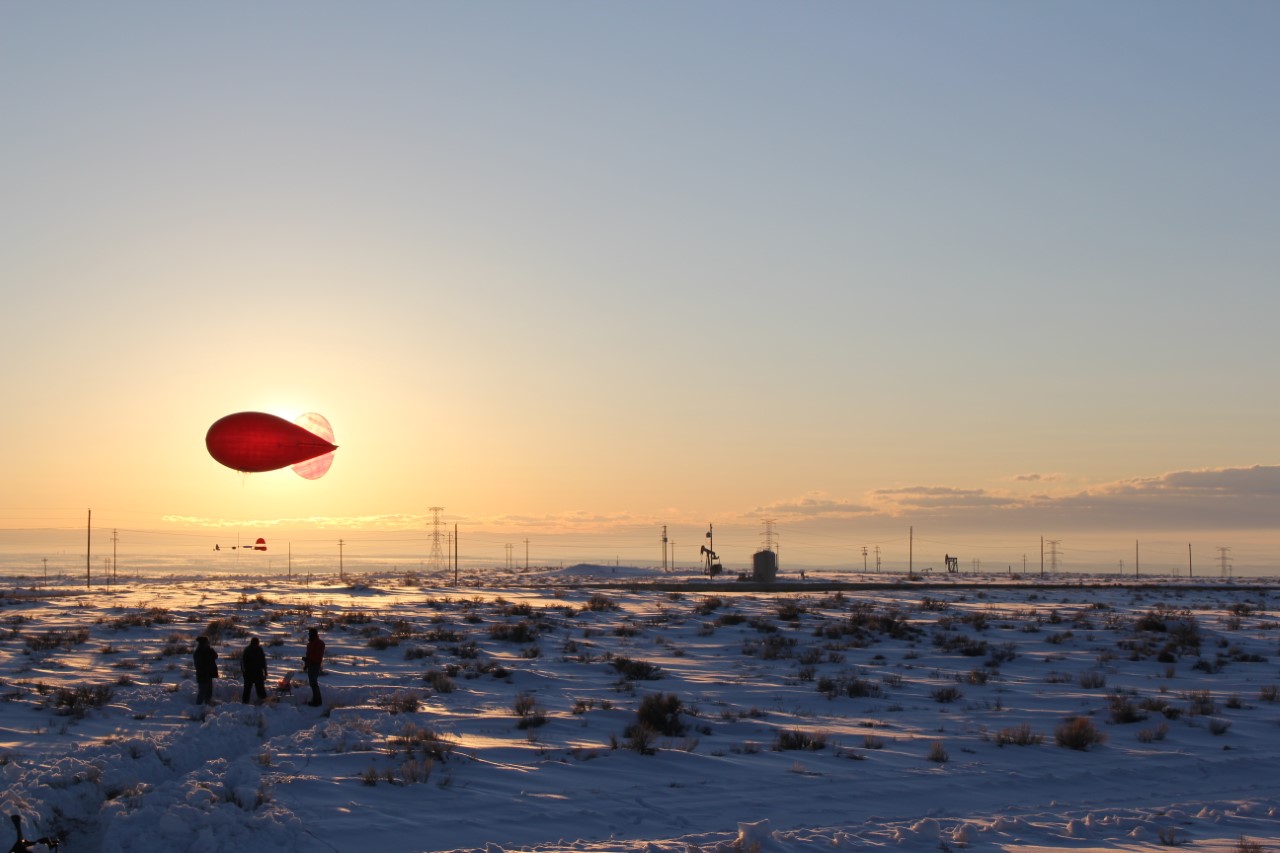
Quantitative Winter Ozone Forecasts
The Clyfar system uses atmospheric data and computer modeling to forecast potential ozone events in the Uinta Basin up to two weeks in advance. By analyzing weather patterns and air chemistry, the system helps scientists and local stakeholders anticipate air quality conditions and improve future forecasting tools.
To read about project updates: Quantitative Winter Ozone Forecasts Project Updates
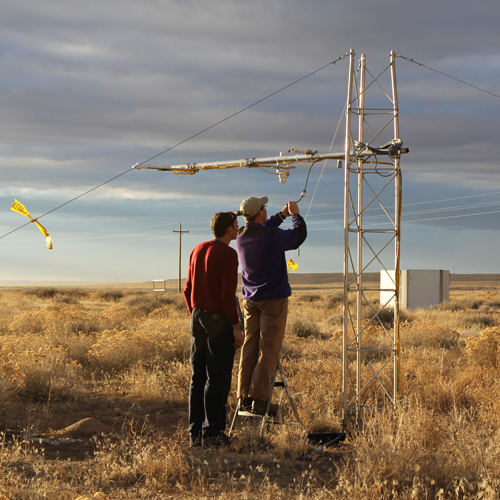
3D Photochemical Model Development
This project uses a three-dimensional air quality model to simulate how pollutants move and react in the atmosphere. By combining emissions data, weather conditions, and chemical reactions, researchers can compare the model with real measurements and improve our understanding of how ozone forms in the Uinta Basin.
To read about project updates 3D Photochemical Model Development Project Updates
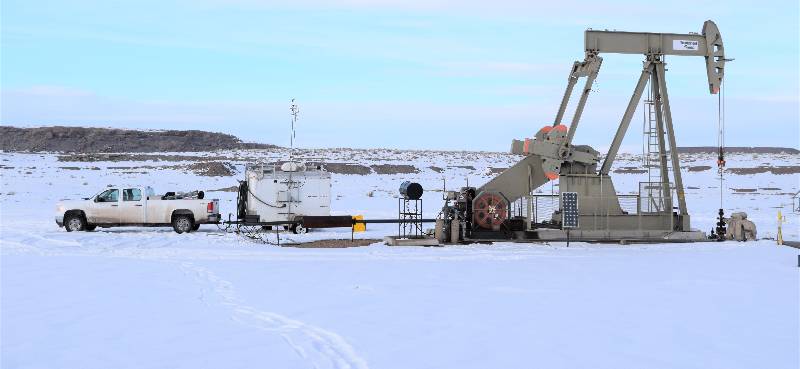
Ozone Formation in Summertime Wildfire Smoke
This project studies how wildfire smoke affects ozone formation during the summer. By collecting air quality measurements and using chemical models, researchers can determine how smoke changes atmospheric chemistry and how much additional ozone is produced during smoky conditions.
To read about project updates: Ozone Formation in Summertime Wildfire Smoke Project Updates
Emissions Characterization

Tracking Changes to Basin-wide Pollutant Emissions
This project tracks how emissions of methane and other air pollutants are changing across the Uinta Basin over time. By analyzing long-term measurements and new satellite data, researchers can better understand emission trends and how industry practices and regulations are influencing regional air quality.
To read about project updates Changes to Basin-wide Pollutant Emissions Project Updates

Emissions Estimates for Various Oil and Gas Facility Types
This project measures methane emissions from different types of oil and gas facilities using drones and satellite-based remote sensing tools. By collecting detailed measurements from the air and space, researchers can better estimate where emissions are coming from and how they vary across the Uinta Basin.
To read about project updates Emissions Estimates for Various Oil and Gas Facility Types Project Updates
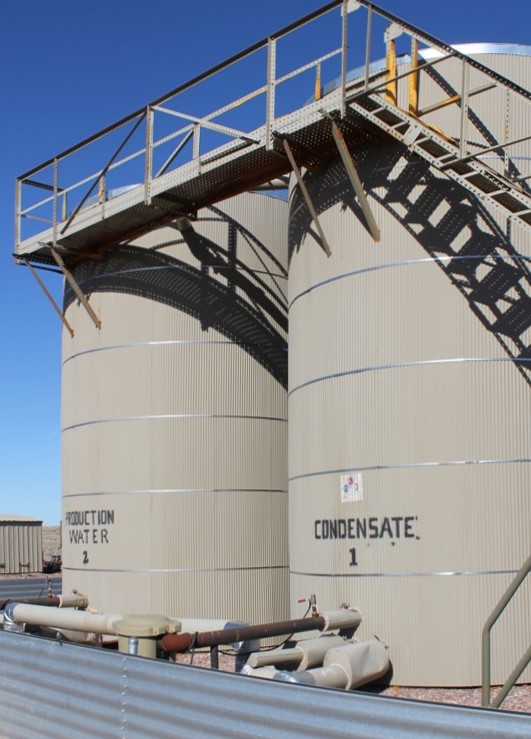
Developing Methods to Determine Oil Storage Tank Emission Factors
This project develops improved methods to estimate emissions from oil storage tanks using atmospheric measurements and chemical modeling. The results help scientists better understand how tank emissions contribute to regional air pollution and provide more accurate data for air quality studies.
To read about project updates Developing Methods to Determine Oil Storage Tank Emission Factors Project Updates
Web-based Tools to Improve Stakeholder Access to Emissions Information
This project will develop interactive online tools that help people understand how winter ozone forms and affects air quality. By combining publicly available data with simplified atmospheric models, users will be able to explore how weather, emissions, and environmental conditions influence ozone levels. A new web-based platform will make these tools and datasets easy to access, helping communities, researchers, and decision-makers better understand and respond to air quality challenges.
To read about project updates Web-based Tools to Improve Stakeholder Access to Emissions Information Project Updates
Stakeholder Engagement
Resources for Stakeholder Engagement
This project engages stakeholders through regular committee and group meetings, ensuring that community input helps guide and improve ongoing winter ozone research and outreach efforts. It also maintains public resources—including basinwx.com, ozone alert programs, fact sheets, and outreach videos—to share timely air quality information and make winter ozone science more accessible to the public and decision-makers.
To read our project updates Stakeholder Engagement Resources Project Updates