21 Community Justice Advocates to Begin Delivering Limited Legal Help in Utah Debt Cases
Video by Taylor Emerson, Digital Journalist, University Marketing & Communications
LOGAN, Utah — This week, 21 human service professionals across Utah completed a 10-week training program and are now provisionally certified as Community Justice Advocates.
These advocates will begin a 10-week intensive supervision period under the direction of licensed attorneys, during which they will support people navigating legal challenges related to debt collection that often leave individuals without assistance and a clear path forward.
The development of this initiative was spearheaded by Utah State University’s Transforming Communities Institute in partnership with Nonprofit Legal Services of Utah, Chair of the Utah Courts' Committee on Resources for Self-Represented Parties Judge Richard Mrazik, Utah Bar Foundation, and several lawyers, social workers, and other human service professionals.
The newly certified advocates represent various roles — case managers, therapists, housing counselors and others — in a wide range of service settings, addressing issues such as homelessness and housing, domestic violence, crisis intervention and general mental health services.
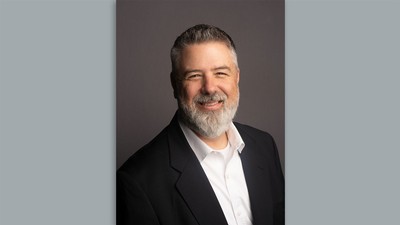
“These helping professionals are already trusted service providers. Adding the CJA certification gives them another way to help their communities, and I think we will see an immediate positive impact from their efforts,” said Jaxon Didericksen, Access to Justice Program coordinator for the Transforming Communities Institute.
According to a Utah Bar Foundation report, debt collection lawsuits are one of Utah's most common types of civil cases. Weber and Morgan counties have some of the highest rates of debt collection case filings in the state, with 2,227 per 100,000 people.
Two of the new CJAs represent Cottages of Hope, located in Ogden, which helps individuals become more financially stable.
“At Cottages of Hope, we see every day how debt-related legal issues can hold individuals and families back from achieving financial stability,” Program Director Jamie Crenshaw said. “Becoming part of the CJA program allows us to offer our clients not just financial coaching but also meaningful support in navigating the legal system — something they’ve often had to face alone. This initiative is a powerful step forward in bridging the justice gap for our community.”
Community Justice Advocates are trained to help individuals understand their legal rights and obligations, complete court forms, draft responses to debt collectors, prepare for hearings and perform various other tasks.
Though they cannot serve as legal representatives in cases, CJAs can be present in the courtroom or in negotiations with debt collectors to support their clients as they represent themselves in sometimes intimidating and overwhelming situations.
“Most people being sued for debt cannot afford a lawyer, and they are often unfamiliar with court processes and scared. CJAs will help bridge those gaps and hopefully lead to better outcomes for clients,” said Nathan Garcia, co-founder and supervising attorney with Nonprofit Legal Services of Utah. “Because many of the new CJAs provide virtual services, the cohort of 21 CJAs has the potential to serve every county in the state.
These services could be especially beneficial in areas of Utah where lawyers, let alone legal aid support, are scarce, Garcia said.
Some newly certified advocates will serve as volunteers and assist TCI and NLSU in experimenting with offering standalone services to clients from partner agencies. If the pilot proves successful, it could pave the way for paid CJA positions.
Earlier this year, the Transforming Communities Institute received an authorization order from the Utah Supreme Court for the Community Justice Advocates program.
“This is an exciting checkpoint for the CJA program. We have collaborated with our community partners for over two years to navigate some complex systems and develop an effective program to meet the growing legal needs in our state,” said Jayme Walters, Transforming Communities Institute executive director and associate professor of social work. “I am grateful to the people and organizations who have invested expertise, time, and money. Without them, this would not have been possible.”
TCI received funding for the pilot project from the Utah Bar Foundation, Marriner S. Eccles Foundation, Utah State University’s College of Arts and Sciences, and private donors. TCI hopes to expand the CJA program beyond debt collection and develop training in other issue areas. The next cohort of the debt collection CJA certification is expected to begin in January 2026, with recruitment starting this fall.
For more information on TCI’s CJA program, visit their website or contact TCI’s Access to Justice Coordinator, Jaxon Didericksen (jaxon.didericksen@usu.edu).
CONTACT
Jaxon Didericksen
Access to Justice Program Coordinator
Transforming Communities Institute
435-797-1713
jaxon.didericksen@usu.edu
SHARE
Comments and questions regarding this article may be directed to the contact person listed on this page.