Ask an Expert — Small Actions Can Make a Big Difference in Fighting Food Waste
By Palak Gupta |
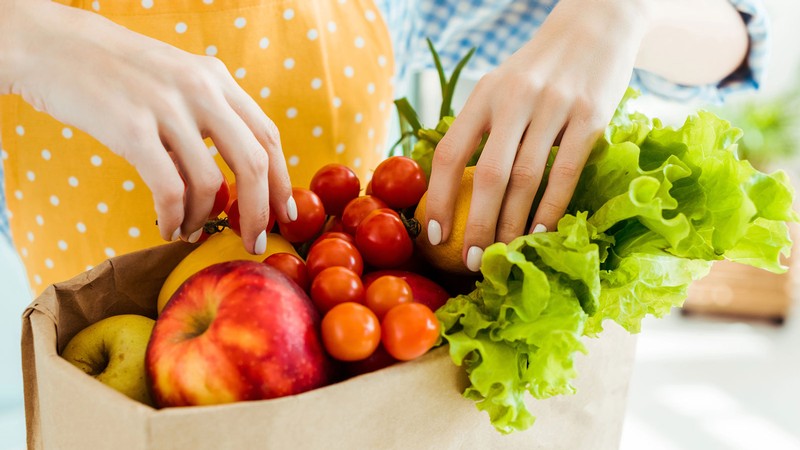
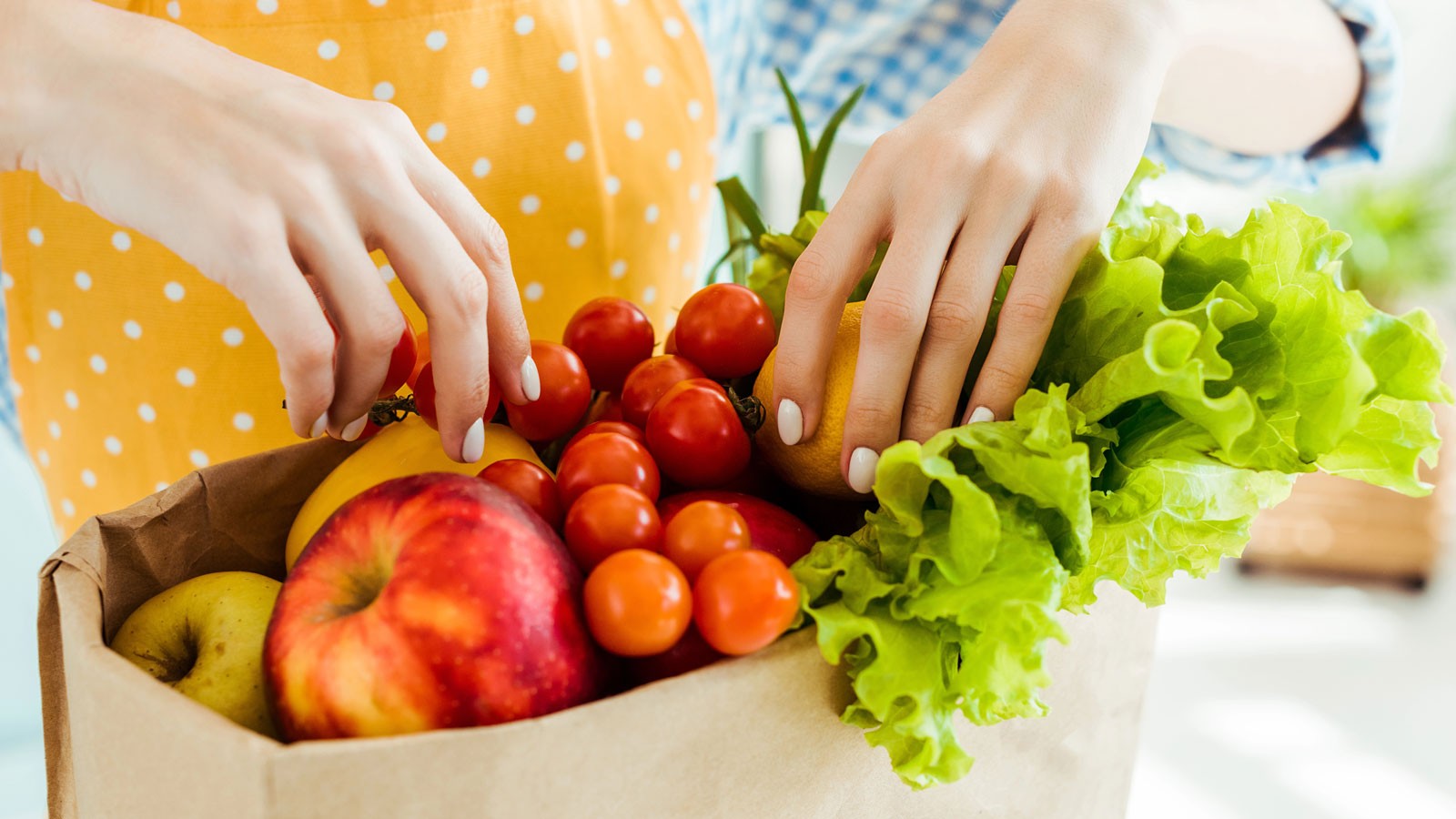
Stop Food Waste Day is April 29, a day intended to raise awareness and inspire action to reduce the amount of annual global food waste.
In addition to being a global issue, food waste is also a very local issue. In fact, a large share of food waste happens right at home, often unintentionally, due to spoilage, overbuying or uncertainty about how to use it.
The good news? Small, practical changes at home can add up to helpful reductions in food waste, while saving money and supporting healthier eating. Here are some evidence-informed, daily actions you can take to reduce food waste and make the most of your food.
1. Start With Awareness
The first step to reducing food waste is simply noticing it. Take a week to pay attention to what you throw away and why. Was it forgotten in the back of the fridge? Did plans change? Awareness creates opportunity for change.
Tip: Keep a short “food-use check-in” once a week to see what needs to be eaten, frozen or shared.
2. Store Food to Extend Freshness
Improper storage is a major reason fruits and vegetables go to waste. Knowing which foods go in the fridge, which stay on the counter, and which benefit from breathable storage can dramatically extend shelf life.
- Store most fruits and vegetables separately.
- Keep herbs in a jar with water or wrapped in a damp towel.
- Freeze foods you won’t use right away — especially bread, berries and chopped vegetables.
Tip: Freezing reduces waste and preserves nutrients. Frozen counts.
3. Plan for Flexibility, Not Just Meals
Meal planning doesn’t have to mean rigid schedules. Build flexibility by planning a few “use-it-up” meals each week, such as in soups, stir-fries, tacos or grain bowls.
Tip: Designate one night a week as “clean-out-the-fridge” night.
4. Use the Whole Ingredient
Many parts of the foods we throw away are edible and nutritious. Stems, peels, scraps and leftovers can often be reused creatively.
- Broccoli stems can be shredded or stir-fried.
- Vegetable scraps can become stock.
- Overripe fruit works great in smoothies, muffins or sauces.
Tip: Think in terms of “repurposing” instead of leftovers.
5. Understand Dates, Don’t Fear Them
“Best by” and “use by” dates often indicate quality, not safety. Many foods are still safe to eat after these dates if they look, smell and taste okay.
Tip: Trust your senses and avoid tossing food just because of a date.
6. Involve Kids and Family Members
When children help with planning, cooking, tasting or even composting, food waste goes down. Exposure builds curiosity and willingness to try foods — which means less waste.
Tip: Let kids help choose one produce item each week and decide how to use it.
7. Share When You Have Excess
If you have extra produce or food you can’t use, consider sharing with neighbors, friends or community food pantries. Sharing tables, community fridges and informal sharing networks help keep good food from going to waste.
Reducing food waste saves money, supports household food security, protects the environment and honors the resources it takes to grow, transport and prepare food. When communities take action at home, those changes ripple outward and support more resilient, sustainable food systems.
WRITER
Palak Gupta
Extension Specialist for Hunger Solutions
Utah State University Extension
435-919-1333
palak.gupta@usu.edu
SHARE
Comments and questions regarding this article may be directed to the contact person listed on this page.