IDRPP Project Aims to Improve Follow-Up After Hearing Screening in 4 States

Alyson Ward.
Approximately 98% of infants born in the U.S. receive hearing screenings within one month of birth. It is the first step in ensuring that those with hearing differences have the best chance at success in building strong communication skills and supporting healthy socio-emotional and behavioral development.
But follow-up after not passing a hearing screening is also critical, and it doesn’t always happen. Specifically, 25% of babies who do not pass a hearing screening do not get a follow up audiological evaluation. Of those diagnosed, nearly 20% are never enrolled into early intervention.
This follow-up is vital to ensuring children meet developmental milestones. Now, four states will work to improve the outcomes of infants who do not pass their newborn hearing screening by getting them the critical follow-up they need to thrive.
Specifically, USU will be working with the Mandy Jay MPH at Arkansas Hands&Voices, Matthew Bush at The University of Kentucky, Kristina Blaiser at Idaho State University, and Andrea Warner-Czyz at The University of Texas at Dallas.
The Family Navigation Consortium to Improve Early Hearing Detection and Intervention Outcomes, funded by the Oberkotter Foundation, will begin in April and continue for three years.
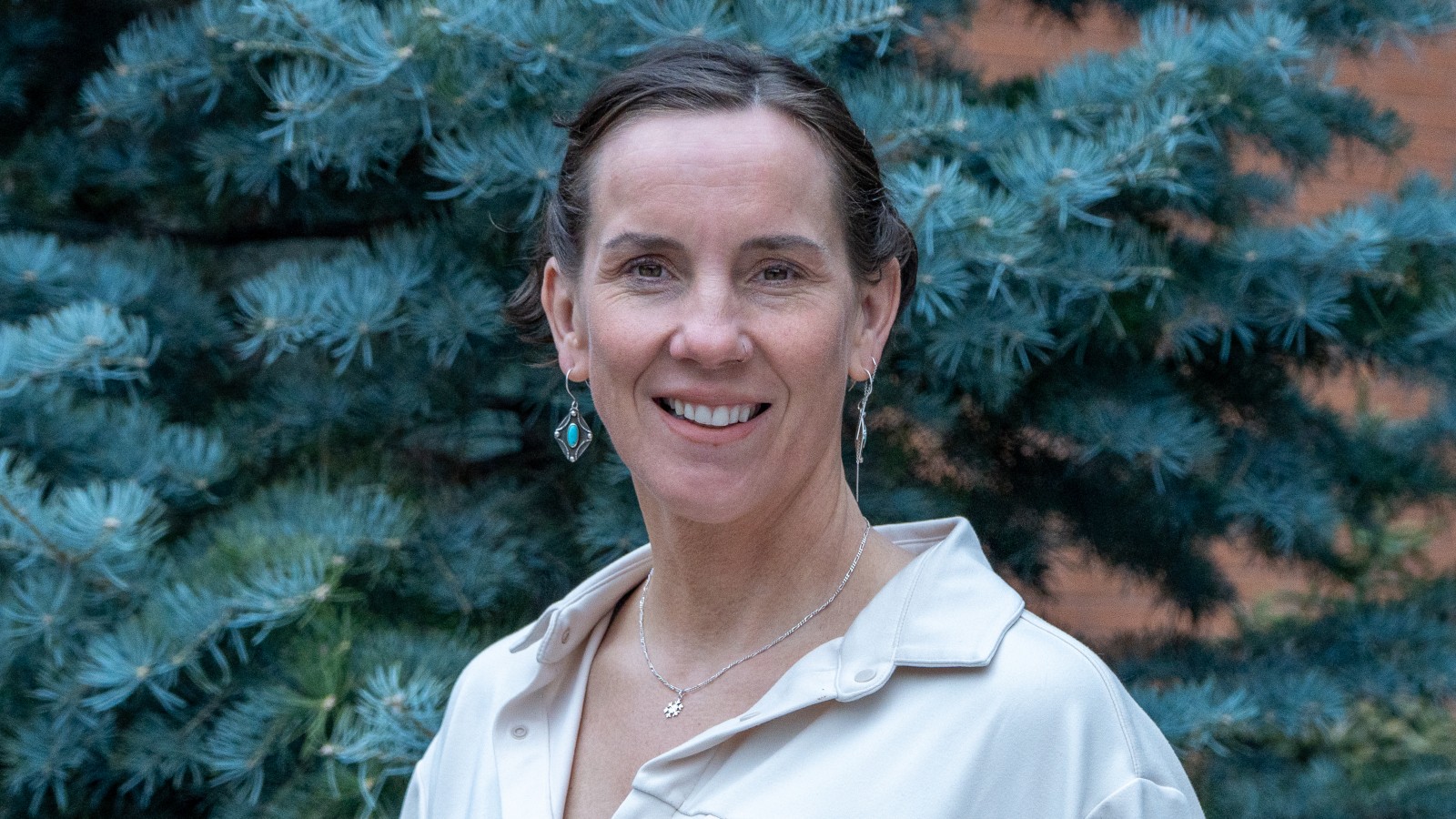
The effort will be led by Alyson Ward, a senior researcher at the Institute for Disability Research, Policy & Practice. She collaborates on projects with the IDRPP’s National Center for Hearing Assessment and Management. IDRPP and NCHAM are part of the Emma Eccles Jones College of Education and Human Services at Utah State University.
“There is a lot of research that shows that if there is screening by one month of age, diagnostic evaluation by three months, and enrollment into early intervention by six months, milestones known as the 1-3-6, that babies with hearing differences have a much better chance at thriving similarly to their hearing peers,” Ward said. The project will work with groups in Arkansas, Texas, Idaho and Kentucky to help families reach the three- and six-month milestones.
“The overall goal is to get these babies into the services that they need to help them succeed,” Ward said.
The project will streamline the training of family navigators to guide families through getting into a pediatric audiologist and early intervention services if those steps are needed. Throughout the duration of the project, navigators will work to help families feel supported, reduce no-shows at rescheduled appointments and collect process data in order to make program improvements.
Eventually, Ward and her colleagues hope to make their navigator curriculum available to any state looking to improve outcomes for families of children with potential hearing differences.
For more information, contactJoLynne Lyon.
CONTACT
JoLynne Lyon
Public Relations Specialist
Institute for Disability Research, Policy & Practice
435-797-7412
jolynne.lyon@usu.edu
SHARE
Comments and questions regarding this article may be directed to the contact person listed on this page.