NEHMA Presents 'Pixelated: Mike Whiting' Across Utah State University
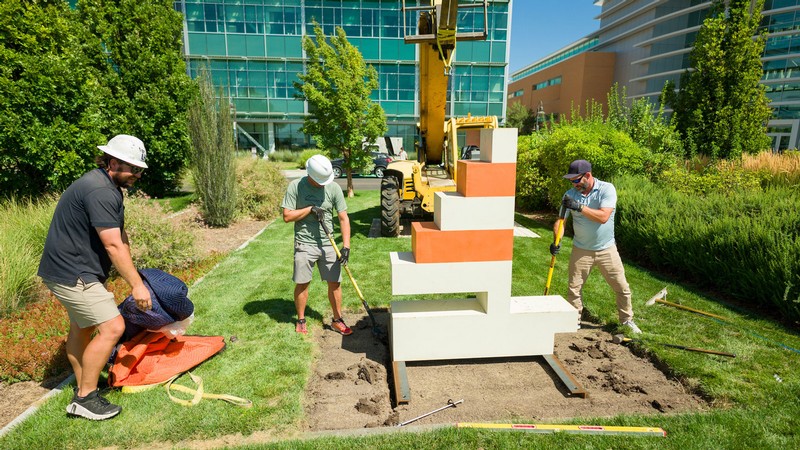
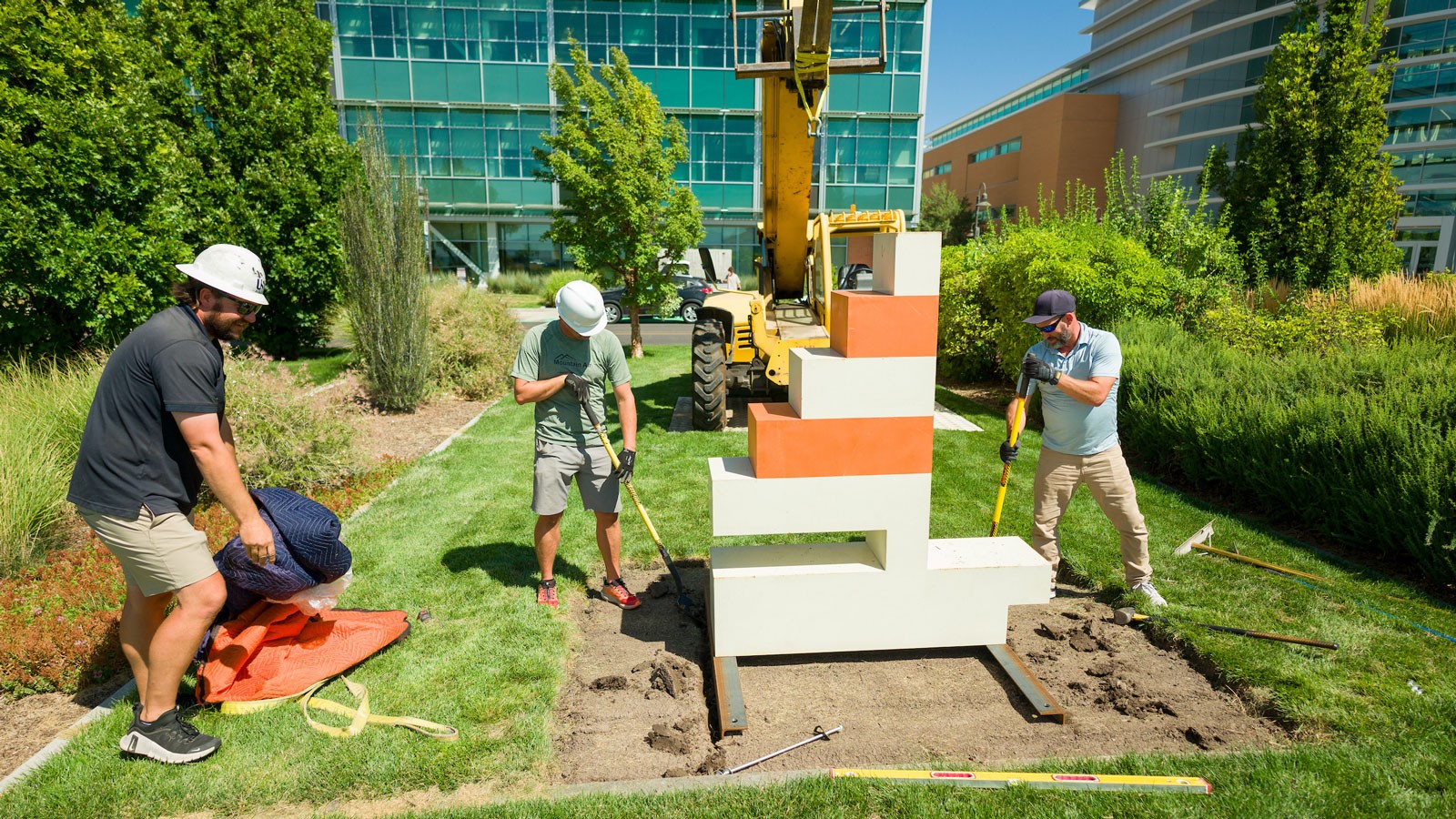
LOGAN, Utah — What happens when the pixelated visual language of video games jumps from the screen and enters the landscape?
The Nora Eccles Harrison Museum of Art at Utah State University presents Pixelated: Mike Whiting, a university-wide exhibition of monumental sculptures by one of Utah's best-known contemporary sculptors.
On view Sept. 3 through June 5, 2027, the outdoor exhibition brings Whiting's colorful, pixelated animals and everyday objects across USU's Logan and Price campuses.
Constructed from welded steel and finished with automotive paint, Whiting's sculptures transform the ephemeral pixels of a computer screen into physical objects with weight, scale, and permanence.
Deer, birds, sailboats, and pretzels emerge from a vocabulary of squares and geometric surfaces. Intentionally scuffed paint and steel emphasize their physicality. These are not virtual images, but substantial objects anchored to the landscape. Their material presence reminds us that the seemingly invisible digital world also has tangible consequences.
But Pixelated is about more than digital gaming. In an era where much of modern life is experienced through screens, the exhibition invites viewers to step outside and consider how our increasing dependance on technology shapes the way we experience the physical world around us.
Born in Provo, Utah, Whiting has had work exhibited around the world. His art draws from two distinct visual styles — the 8-bit graphics of early video games and the geometric forms of minimalist art. He has long been fascinated by how the opposite intents of these two artistic approaches arrived at similar visual outcomes by entirely different means.
Early video games like Pac-Man and Space Invaders relied on simplified graphics because the limited processing power of the day’s technology meant designers were required to communicate as much information as possible using a small number of pixels. Minimalist artists of the 1960s intentionally stripped away detail in pursuit of what they viewed as the essential qualities of art.
Whiting’s sculptures are thoughtful and introspective, asking questions about artificial intelligence, the implications of data centers, and our reliance on screens. But they are also playful and whimsical. Dramatically increasing scale and using bright colors make the sculptures impossible to miss. By installing these pixelated figures outside directly on grass and dirt, the artist invites us to slow down, notice the small things around us, and see our familiar surroundings in new ways.
"Gardens are in their own way virtual spaces — carefully created environments," Whiting says. "The contrast of the sculptures' geometric and manmade materials can seem at odds with the gardens, but they are connected in the dialogue about the re-presentation of nature."
As Whiting gives these pixels weight and the permanence of steel, he asks us to consider how artificial intelligence and screens are increasingly shaping the way we experience the world and connect with each other.
Sculptures and labels in Logan will be installed by Sept. 3.
Join Whiting will host a sculpture walk starting at 12:15 p.m. Oct. 21 across the Logan campus. Meet at the Pretzel and end at NEHMA for a light lunch and desserts.
About Nora Eccles Harrison Museum of Art
The Nora Eccles Harrison Museum of Art at Utah State University fosters engagement with modern and contemporary art to facilitate learning and promote dialogue about ideas important to the people of Utah and the mission of Utah State University. Admission is free and open to all. Parking is available in the free museum parking stalls and at the Gateway Terrace. For more information, visit usu.edu/artmuseum or contact Chiara Sorensen at chiara.sorensen@usu.edu.
Comments and questions regarding this article may be directed to the contact person listed on this page.