Shawn Whiteman Awarded $3.1M NIH Grant to Investigate Sibling Influence on Substance Use
By Jennifer Payne |
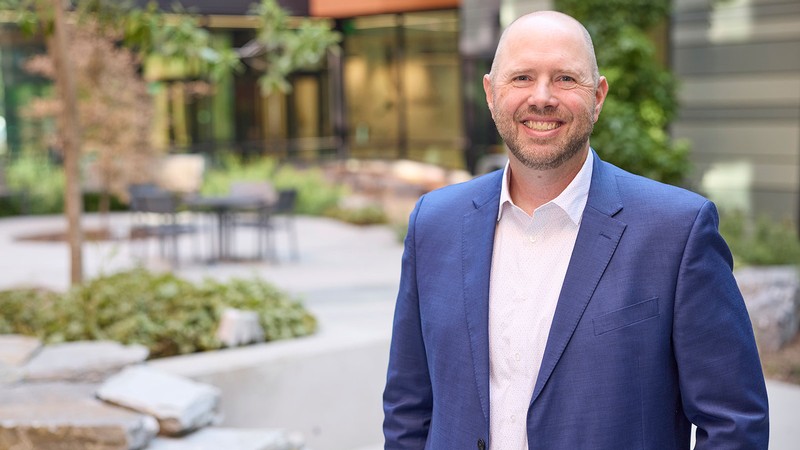
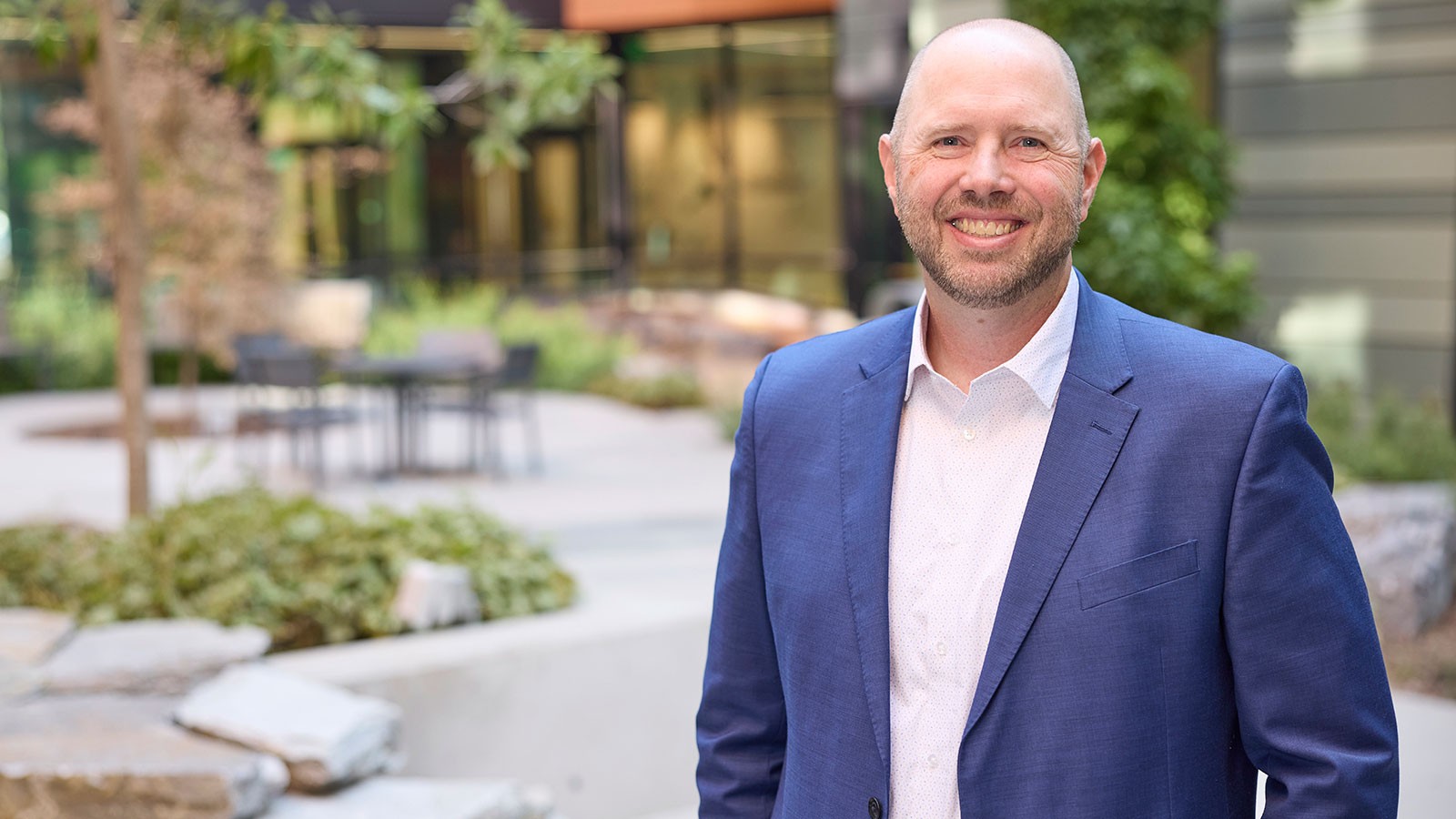
Shawn Whiteman, professor in the Department of Human Development and Family Studies and executive associate dean in the Emma Eccles Jones College of Education, Health, and Human Sciences.
Research shows that the first few years after high school represent the highest-risk period for alcohol and other substance use. The transition to adulthood is a critical period in the developmental course of substance use, and siblings can have a strong influence on each other’s use of alcohol and other drugs, even beyond the influence of parents and peers.
To better understand this influence, Shawn Whiteman, professor in the Department of Human Development and Family Studies and executive associate dean in the Emma Eccles Jones College of Education, Health, and Human Sciences at Utah State, was recently awarded a $3.1M continuation grant from the National Institute of Alcohol Abuse and Alcoholism within the National Institutes of Health.
The five-year project will investigate how young adult siblings influence each other’s substance use behavior—specifically with alcohol, cannabis, and nicotine (through vaping).
“Substance use is a major public health priority and hallmark of early adulthood,” said Rob Stawski, department head of HDFS at Utah State. “Further, both substance use and family relationships contribute to shape young adults’ development and wellbeing. As such, Dr. Whiteman’s research is both timely and critical for helping understand how sibling relationships promote healthy choices and behaviors during key developmental periods.”
Whiteman has spent the past 25 years researching the relationship between siblings, a cohort he says is often missed among relationship researchers.
“Eighty percent of people in the U.S. have at least one sibling,” he said, “but less than three percent of research on close relationships is on siblings. The scientific literature consistently focuses on the relationships between parents and children, peers, and romantic partners, but generally fails to consider how siblings and sibling relationship dynamics shape each other’s well-being and health. If we continue to ignore siblings as an influence, we’re missing a key part of their social and familial circle.”
Whiteman continued: “We already know that in adolescence the impact of a sibling on substance use attitudes and behaviors is greater than a parent; they’re much more like a peer. Yet, we know much less about sibling influences over the transition to adulthood, when filial relationships become more voluntary. This work offers the opportunity to understand how sibling relationships and influences evolve during a critical period for the development of alcohol and substance use behaviors.”
Whiteman’s team includes collaborators from Penn State, Indiana University, the University of South Carolina, and the University of Notre Dame. Whiteman, the family and sibling relationship expert, is principal investigator on the grant. Other team members bring complementary expertise in related fields including developmental psychology, parenting, substance use, and statistics.
Beginning in 2019, the same team worked with more than 2,000 people in families from Wisconsin, Illinois, Indiana, Ohio, and Pennsylvania — with one parent and two siblings in each participating family. This grant is a continuation of that earlier study, now with a particular emphasis on understanding how young adult siblings influence each other’s substance use beliefs and patterns of use.
Over the course of several years, the team will conduct a series of comprehensive surveys with their participants, primarily assessing sibling relationships as they relate to substance use: how siblings interact, communicate, and influence each other; how major life changes in early adulthood affect the way siblings influence each other’s substance use; and how the timing of important life changes affect siblings’ substance use as they grow older.
“We have a rich history on these families because we followed them for many years, spanning from before, to during, and after the COVID-19 pandemic. Now we want to examine how those earlier relationships and behaviors relate to their outcomes,” Whiteman said. “The adolescents from seven years ago are now young adults, which is the period where substance use typically peaks. Our team is examining how sibling influence evolves during this key transition period, which is especially important given that sibling relationships in these years tend to become less hierarchical and have less conflict compared to earlier years.”
Because transitions are regular occurrences during early adulthood — transitions that include moving out of the family home and going to college or into the workforce — the team will investigate how the timing of life transitions affect sibling relationships and substance use trajectories.
Traditionally, most similar research studies have focused on how older siblings influence younger ones. This project, however, will begin to examine how younger siblings influence older ones as well.
Because this is a continuation of a longitudinal study with a large cohort of participants that span several years, the surveys will continue to examine sibling cognitive health, relationships, social attitudes, depression and anxiety symptoms, and much more in an effort to more completely understand sibling dynamics in general.
Ultimately, Whiteman and his team hope to discover essential insights that may one day be used to help to curb young adult alcohol, nicotine, and cannabis use.
“We want to learn about the ways in which siblings shape each other’s substance use behaviors so family-based prevention and intervention programs can be designed to help mitigate youth substance use,” Whiteman said
WRITER
Jennifer Payne
Emma Eccles Jones College of Education and Human Services
Public Relations Specialist
jen.payne@usu.edu
CONTACT
Alicia Richmond
Director of Public Relations & Marketing
Emma Eccles Jones College of Education, Health, and Human Sciences
alicia.richmond@usu.edu
SHARE
Comments and questions regarding this article may be directed to the contact person listed on this page.