Sustainable Wildfire Management Techniques to be Discussed at Upcoming Research Landscapes
By Kirsten Reither |
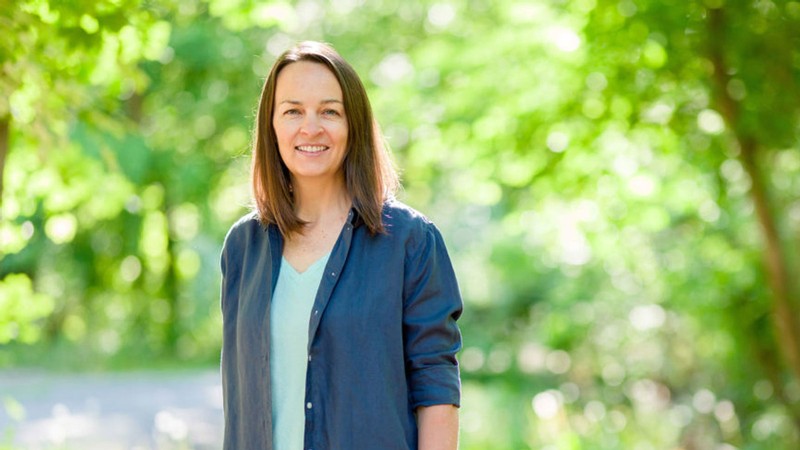
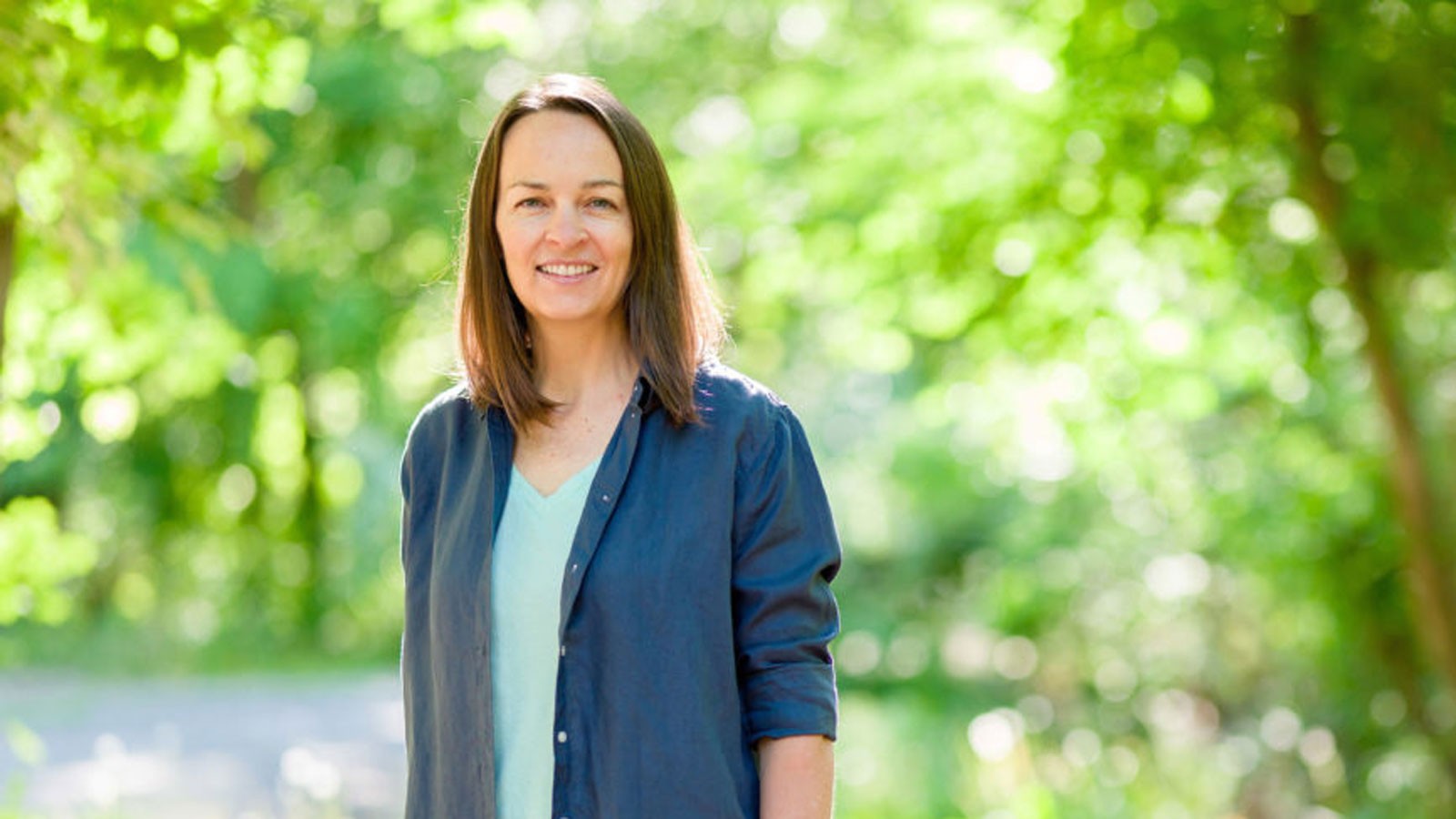
Larissa Yocom.
Utah State University is hosting a discussion on how effective our current wildfire management strategies actually are, and in what ways they might be making the problem worse.
USU’s Office of Research will offer “Recovering from a Century of Fire Suppression,” a USU Research Landscapes presentation featuring Larissa Yocom, director of the Utah Forest Restoration Institute.
The presentation will be 4-5:30 p.m. June 10 at the O.C. Tanner headquarters in Salt Lake City. The event is open to the public, and those interested in attending are encouraged to RSVP.
For decades, fire management techniques have primarily focused on fire suppression, which involves containing wildfires quickly, before they can significantly damage property or ecosystems.
“Often, we need to do suppression,” Yocom said. “We have to suppress, especially near population centers, in critical watersheds or habitats, in extreme fire weather conditions, and also in the Great Basin and other areas with invasive plant risk.
But suppression of all fires is a bad idea, Yocom added.
“By suppressing fire today, we increase fuel loads,” she said, “making fires harder to suppress in the future.”
Wildfires cost the United States hundreds of billions of dollars annually through a combination of direct property damage and long-term economic harm. The risk is especially potent in dry states in the West. While Utah has largely avoided disastrous mega-fires in recent years, the state is the second-driest in the nation, and climate change is exacerbating extreme temperatures and dry seasons.
“I think the best evidence for temperatures influencing fires is that fire seasons are getting longer,” Yocom said. “Every decade, we’ve gotten about a month longer in terms of fire season in the West.”
Given the cost and long-term consequences of fire suppression as the sole fire management technique, other methods of fire management must be developed and implemented, Yocom said. For instance, modifying the fuel available in a forest can reduce the severity of fires when they do occur, and encouraging communities to prepare can improve responses to wildfires when they do occur. Historically, natural wildfires and controlled burns set by Indigenous Americans have maintained ecosystem equilibrium.
“To really make a difference and change, anything that we’re doing is going to take something outside of science,” Yocom said. “Education, public support and more funding. We all have to get together and make a change.”
This USU Research Landscapes event will begin with Yocom’s 30-minute presentation, followed by time for Q&A and networking with other attendees. Light refreshments will be provided.
USU Research Landscapes is an event series hosted by the Utah State University Office of Research and sponsored by O.C. Tanner. The series connects decision-makers across the Wasatch Front with the researchers exploring Utah’s land, water and air.
Learn more about past events and RSVP for future events at researchlandscapes.usu.edu.
WRITER
Kirsten Reither
Research Communications
kirsten.reither@usu.edu
CONTACT
Larissa Yocom
Director
Utah Forest Restoration Institute
larissa.yocom@usu.edu
SHARE
Comments and questions regarding this article may be directed to the contact person listed on this page.