TEAL Professor a Student Favorite in First Year at USU
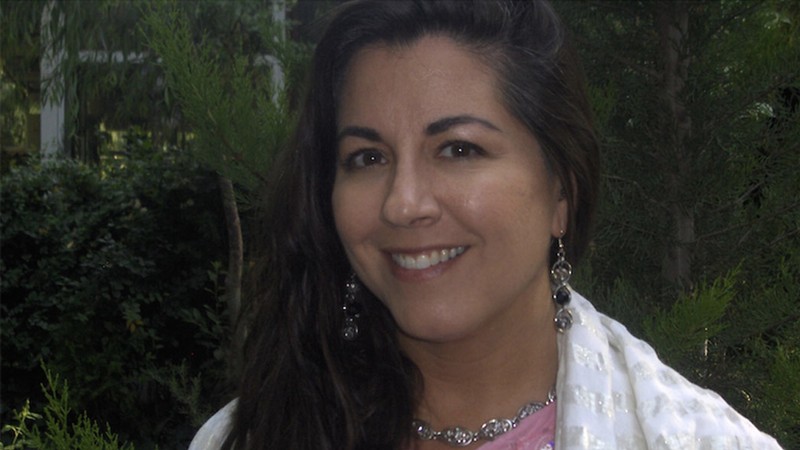
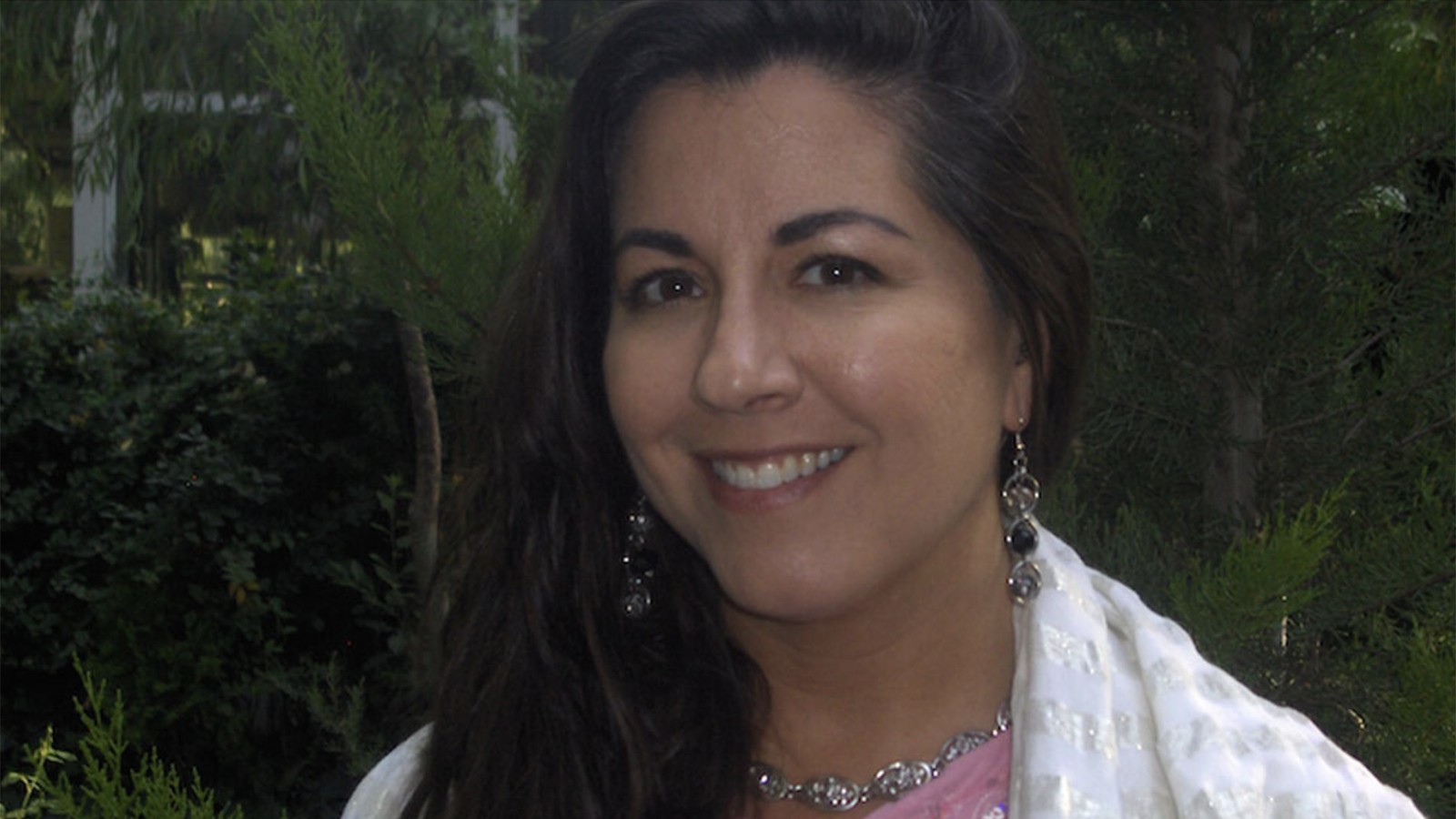
Shireen Keyl, a clinical assistant professor in the School of Teacher Education and Leadership (TEAL) at Utah State University, joined the Ephraim campus in fall 2015. Since, she has quickly become a student favorite in the classroom.
She teaches graduate and undergraduate courses with a focus on education of women and girls in global context. Keyl brings real-world experience to her lectures having taught in K–12 public schools in rural and urban areas of the United States as an inclusion educator for social service organizations working with students from diverse race and class backgrounds.
“Keyl always gave every student her undivided attention and made every student feel comfortable to share and participate,” stated student Sarah Walk. “She’s the kind of educator who helped us to see and care about humanity through a new lens.”
“She’s the kind of educator who helped us to see and care about humanity through a new lens.”
She received her master’s of education from the University of Montana and her master’s of arts in near Eastern studies from the University of Arizona. She also earned her doctorate in language, reading, and culture from the University of Arizona.
As an educational researcher and practitioner in the Middle East region, Keyl has conducted fieldwork in Turkey, Iran, and Lebanon. She has also worked with Afghan refugees in Tehran and migrant domestic workers in Beirut as an English teacher. She provided consultation to NGOs in India and Iran. Her research focus is examining, through Freirean and postcolonial feminist lenses, the educational processes of women from marginalized backgrounds in the Middle East within non-governmental organizations.
Keyl is the co-editor of the recently published, “Critical Views on Teaching and Learning English Around the Globe: Qualitative Research Approaches.” Her chapter, “Learning English in the Margins: Migrant Worker Knowledge Production in Beirut’s NGO Spaces”, illustrates how English as a foreign Language course, supported through grassroots efforts, inform powerful migrant epistemologies while resisting Western-backed NGO agendas in Beirut, Lebanon.
Comments and questions regarding this article may be directed to the contact person listed on this page.