Utah State Energy Team Addresses Ventilation Issues in Campus Buildings
By Wade Denniston |
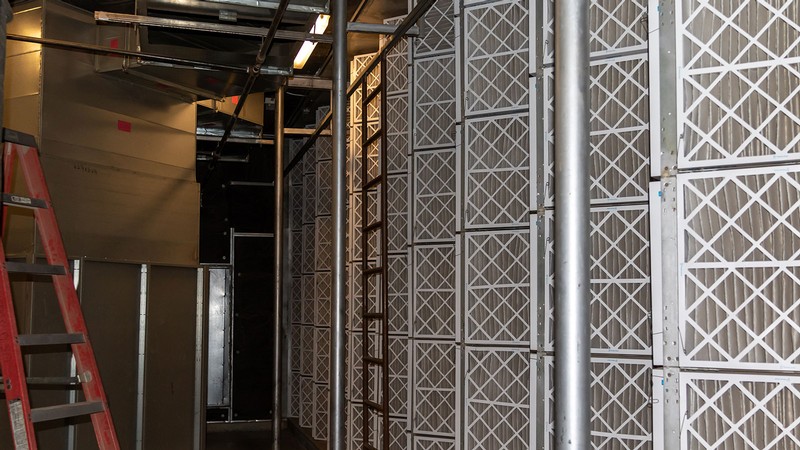
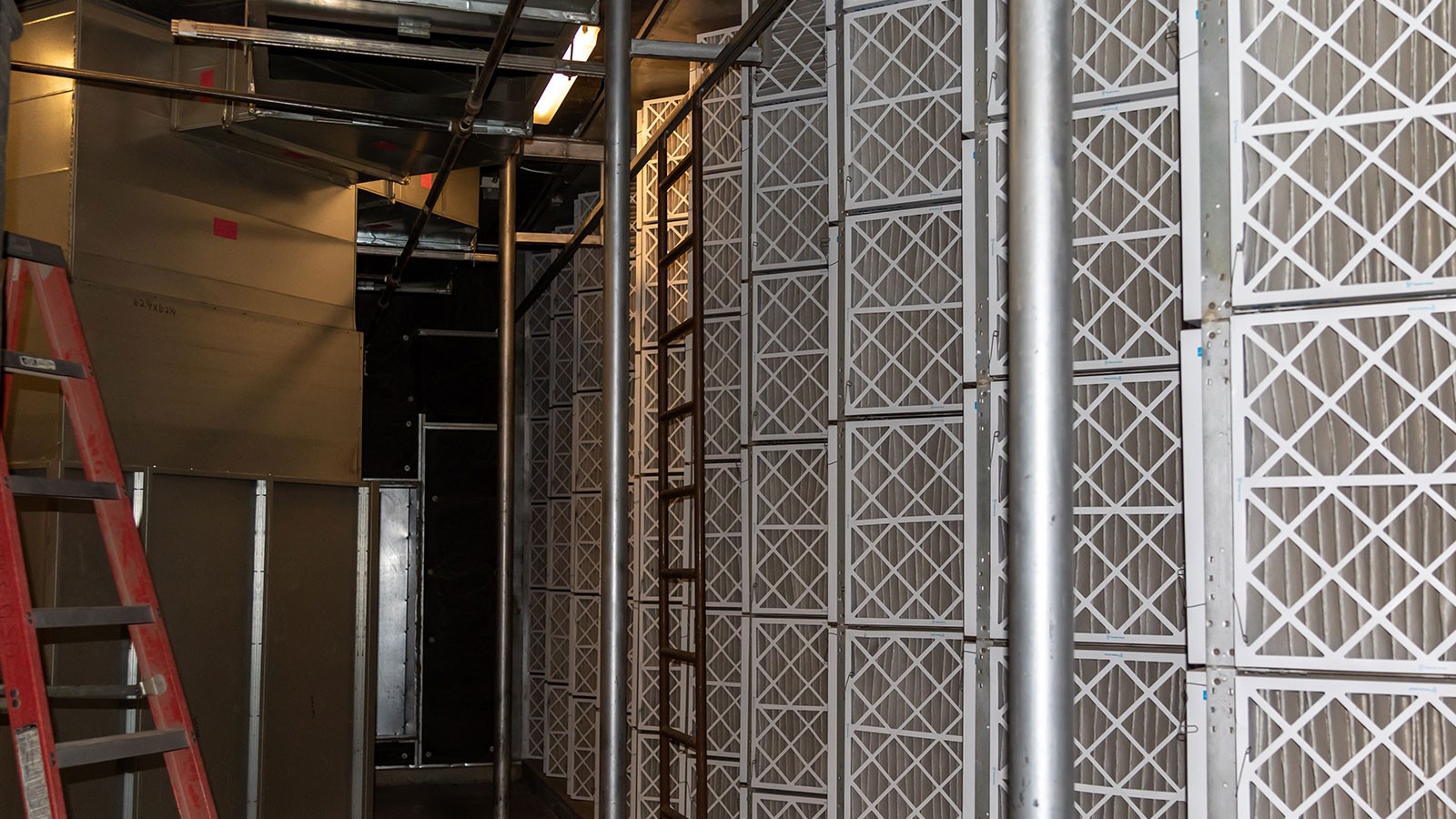
In preparation for faculty, students and staff to return to Utah State University, Utah State’s energy team formed a committee earlier this summer to develop a heating, ventilating and air-conditioning (HVAC) systems plan for campus as more information was being provided from the American Society of Heating, Refrigerating and Air-Conditioning Engineers (ASHRAE), Centers for Disease Control and Prevention (CDC) and other resources on the concern for droplet and aerosol spread.
The committee was made up of licensed professional engineers, the Universities HVAC foreman, safety and industrial hygienists and a virologist researcher from the Animal, Dairy, & Veterinary Sciences Department.
There have been increasing questions about the role of building HVAC systems in either promoting transmission of the COVID-19 virus, or whether certain equipment, when added to HVAC systems, might help reduce transmission of the virus.
“Early studies have identified small unitary HVAC systems as contributing to the spread of the COVID-19 virus and research is ongoing in regard to the role of aerosol spread through large commercial HVAC systems like we have in nearly all of the building on our campus,” said Utah State’s energy manager, Zac Cook. “Early data is showing that increased outdoor air ventilation is an important consideration to reduce the potential of aerosol spread of the virus. To help in this area we have increased the volume of outside air that our HVAC systems are introducing into buildings. We are also fortunate to live in a climate that allows our HVAC system to bring in 100 percent outside air throughout much of the year in what is referred to as economizer operation. We are also improving filter efficiencies to MERV 13 (Minimum Efficiency Reporting Value, an acronym created by ASHRAE to provide a scale showing the effectiveness of filters at removing particles of different sizes) or greater in systems where that is possible.”
Prior to the start of fall semester, certain classrooms at Utah State were taken offline due to poor ventilation.
“Through working with John Mortensen and his team with Academic & Instructional Services, classrooms that offered limited ventilation were able to be removed from fall scheduling and we were able to avoid the use of these classroom spaces,” Cook said. “A few isolated areas that house labs with specialized equipment that could not be relocated have been provided with HEPA air scrubbers to filter the room air.”
The plan of action Cook’s committee came up with during the summer included:
- Identify classrooms that have limited ventilation and use alternate resources for these classes.
- In classroom laboratory spaces with limited ventilation that cannot be relocated, provide HEPA air scrubbers in the space.
- Filtration efficiencies to exceed MERV 13 in fan systems where possible.
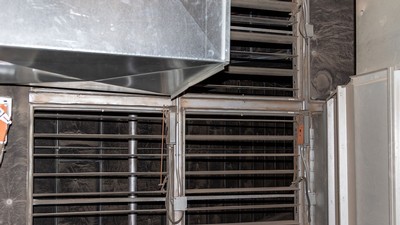
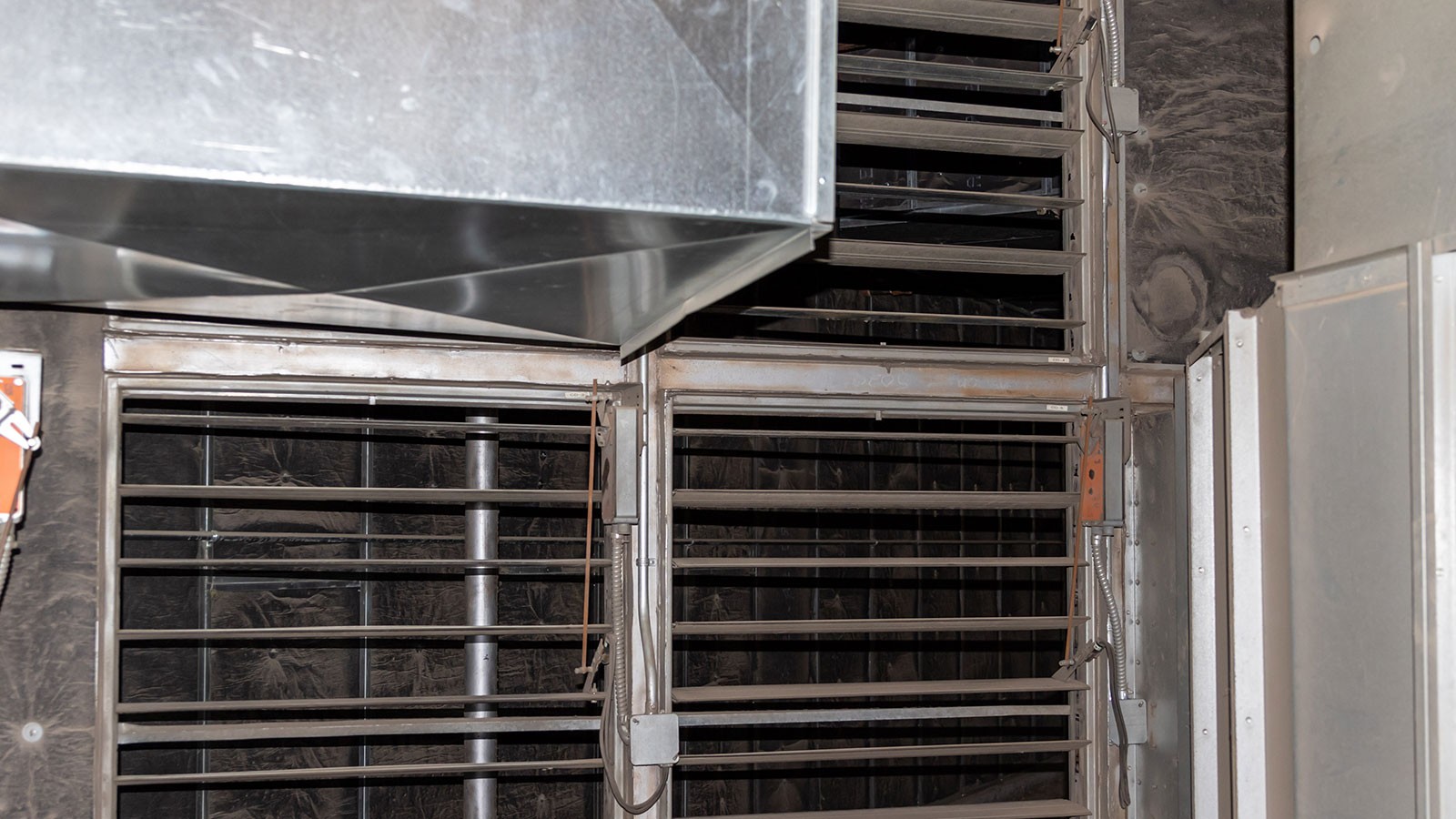
- Regular inspection of filters and outside air control equipment.
- Operate ventilation fan systems two hours after and two hours prior to occupancy for post- and pre-purge of building air.
- Dedicate outside air systems and systems without economizer and the capability of bringing in large volumes of air will be run 24/7.
- Increase outdoor ventilation to amounts that systems have capacity to maintain comfort in occupied spaces.
- Increase zone level air flows in areas with potential for high viral load (music practice rooms and etc.).
- Eliminate seating or waiting areas adjacent to or in the return path of large common areas (library, fieldhouse, etc.).
“While we are following the recommended measures from the American Society of Heating, Refrigerating and Air-Conditioning Engineers (ASHRAE) and CDC in how we operate and maintain our HVAC systems during this pandemic, these measures cannot compensate for the lack of individual responsibility to reduce the spread,” Cook said. “The most effective way to reduce the spread is through mask wearing, social distancing, hygiene, and following the other CDC and USU guidance while on campus and while participating in other activities throughout the community.”
WRITER
Wade Denniston
Communicator
Athletics Media Relations
(435) 797-1361
wade.denniston@usu.edu
CONTACT
Zac Cook
Energy Manager
Facilities
435.797.7048
zac.cook@usu.edu
SHARE
Comments and questions regarding this article may be directed to the contact person listed on this page.