Why a New Collection?
Migration from around the globe has, for generations, enriched higher education through the contributions of countless immigrant teachers and scholars. In their teaching, immigrants can draw from intercultural repertoires and varied ways of knowing to help their students cross intellectual and social borders. Yet, students, administrators, and colleagues tend to operate from a deficit model of migration, seeing a “foreign” background as a threat, even though most do not think of their fear of signs of otherness, such as an instructor’s accent, as xenophobia.
This call for proposals invites scholarship on teaching and learning that examines how migration shapes pedagogical practices, teaching experiences, and academic communities, while considering how immigrant educators challenge deficit models and contribute to more inclusive and culturally responsive approaches to higher education.
This edited collection builds on the important work of other collections including Picture a Professor and Immigrant Scholars in Rhetoric, Composition, and Communication. It will bring at least two new elements to the conversation: it will spotlight immigrant instructors across disciplines, and it will be open access so that cost will pose no barrier to prospective readers. This collection will contribute to discourse on migration and higher ed by spotlighting the creative power and courage of boundary-crossing postsecondary educators.
Who?
In this edited collection, we want to shed light on the stories of first-, 1.5-, and second-generation immigrants who teach in higher ed in our current era of resurgent nativism. Migration and xenophobia are worldwide phenomena. Further, we will publish with an open-access press that has a global readership (we are in conversation with the Empower Teaching Open Access Series). We invite anyone teaching in a postsecondary institution in a country other than their homeland or a parent’s homeland to submit a proposal.
We recognize that sharing vulnerable stories of migration and teaching could have professional ramifications. Authors who are selected to contribute chapters may choose to publish under a pseudonym.
What Will the Chapters Look Like?
We envision personal essays, dialogues, testimonios, and other genres that invite readers to learn about both the challenges and the beauty of teaching at the intersection of cultures, languages, and societies. We are looking for chapters to feature three elements:
- Authors should write in the first person and ground their writing in firsthand
experiences. (Personal experience and reflection is a legitimate and valuable
form of knowledge.) - We also ask authors to converse with other scholars by consulting and
referencing literature pertaining to teaching. - We ask authors to offer suggestions for other college instructors of all
backgrounds, helping readers consider mindsets, strategies, activities, and
questions that can help us all advance the efforts to make our institutions
inclusive to faculty, students, and staff of diverse backgrounds. For example,
you could include a concluding section offering teaching recommendations
based on your experiences and on scholarly literature.
Chapters can be up to 6,000 words long.
How do I Propose a Chapter?
Please write a brief 300- to 500-word proposal previewing the planned focus of your chapter and stating takeaways for a diverse interdisciplinary audience of higher education practitioners. Send your proposal via our submission form by January 15, 2027.
We request that proposals and chapters be written primarily in English, with code-meshing welcome and encouraged.
Timeline:
- 300- to 500-word proposals due by January 15, 2027 to our submission form
- Decisions sent by end of February 2027
- Full contributions due by June 1, 2027
- Editor feedback by August 1, 2027
- Revisions due by October 1, 2027
- Final steps late 2027 to early 2028
- Target publication date: Fall 2028
Potential Topics:
We invite people who teach or support teaching in higher education, including two-year colleges, R2, and regional comprehensive universities, and identify as first-, 1.5-, and second-generation immigrants to consider the following questions in their proposals:
- How do you bring linguistic, cultural, or pedagogical repertoires from your countries of birth or ancestry to bear in your work with students?
- How have you maintained your joy in teaching amidst xenophobic discourse and governmental action?
- How do you perceive your sense of belonging within academic institutions?
- What communication challenges do you face in your classes, as an educator who is an immigrant?
- How do you negotiate cultural differences in your interactions with students and colleagues?
Questions?
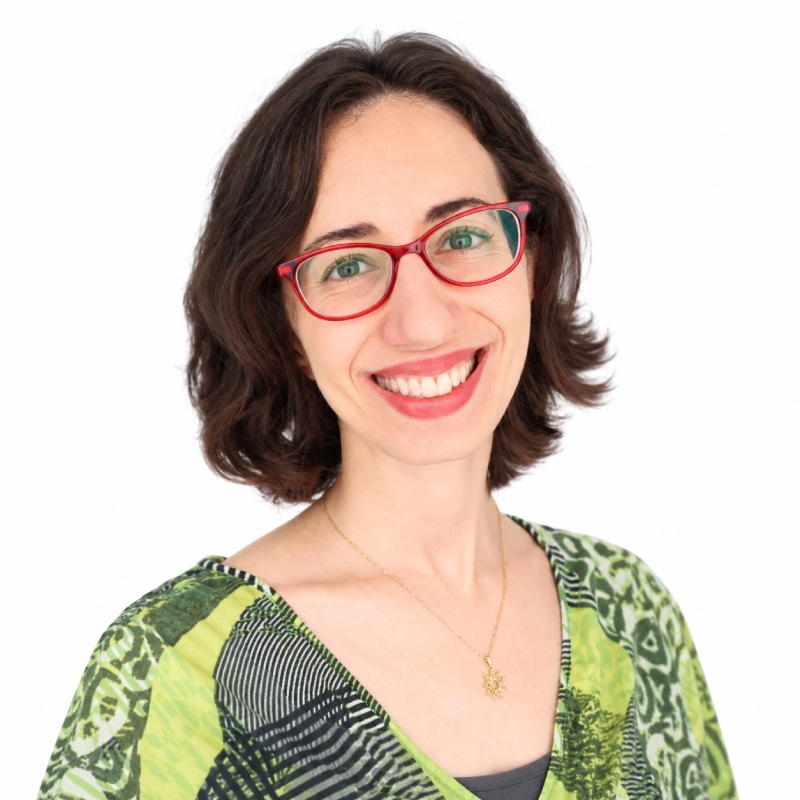
Please reach out to the editors, Lizbett Tinoco and Layli Miron, at
immigrants.teach@gmail.com.
Editors
Lizbett Tinoco, PhD
Associate Professor of English and Director of First-Year Composition
Texas A&M University–San Antonio
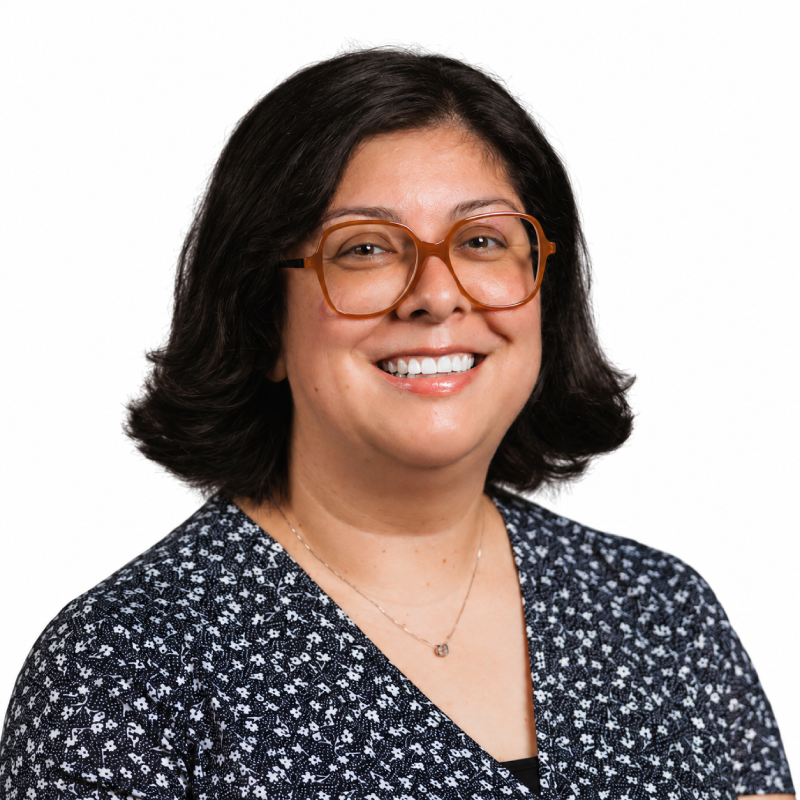
Layli Miron, PhD
Writing Specialist / Lead Instructional Consultant
Center for Innovative Teaching & Learning
Indiana University Bloomington